No products in the cart.

Markets Plunge: Sensex Falls 2000 Points Amid Rising Crude Prices

The BSE Sensex drops nearly 2,000 points as crude prices hit a two-year high, reflecting global market tensions and investor anxiety.


“`html
markets Open in Red: Sensex and Nifty Drop Amid Rising Crude Prices
Sensex Falls Nearly 2,000 Points
On Thursday, the BSE Sensex opened down 1,953.21 points, a 2.54% drop, settling at 74,750.92. The Nifty 50 mirrored this decline, losing 580.05 points or 2.43%, to reach 23,197.75 after a brief three-day rally. This drop wiped out nearly two months of gains and created a tense atmosphere in Mumbai’s trading floors. Analysts attributed the sell-off to foreign capital outflows, weak global growth signals, and escalating geopolitical tensions affecting oil markets.
Crude Prices Hit Two-Year High
Brent crude prices surged 3.77%, surpassing $111.4 per barrel, the highest in two years. This increase was driven by rising tensions between the US and Iran, raising concerns about potential supply disruptions in the Strait of Hormuz, a key oil transit route. The spike affected commodity-linked stocks, increasing risk aversion among investors.
Asian Markets Reflect the Decline
India’s market downturn was mirrored across Asia. Japan’s Nikkei 225 and South Korea’s Kospi also fell, while China’s Shanghai Composite dropped 1% to 4,024.23 points, nearing its February low. This widespread decline highlights the interconnectedness of Asian markets with crude prices and geopolitical risks.
Financial Impact: Key Stocks Suffer
Stocks Hit 52-Week Lows
Five major stocks in the Sensex hit their 52-week lows, indicating ongoing weakness. HDFC Bank, Tata Consultancy Services (TCS), Bajaj Finserv, Kotak Mahindra Bank, and ITC reached their lowest prices in a year. Over the last month, Bajaj Finserv fell about 16%, Kotak Mahindra Bank dropped 14%, and HDFC Bank, TCS, and ITC each declined nearly 13%. The sudden resignation of HDFC Bank’s chairman added to investor anxiety.
This increase was driven by rising tensions between the US and Iran, raising concerns about potential supply disruptions in the Strait of Hormuz, a key oil transit route.
Banking and Tech Stocks Struggle
Banking stocks were particularly hard hit, with HDFC Bank’s shares dropping over 3% in the opening session. Other banks like Axis Bank and Bajaj Finance also opened lower due to the prevailing risk-off sentiment. In tech, TCS’s decline reflected a broader sector retreat as investors reassessed growth forecasts amid rising energy costs.
Utilities Show Resilience
Despite the overall market downturn, some utilities like NTPC and Power Grid posted gains, highlighting a trend where investors seek safer assets during turbulent times.

Global Market Reactions
Asian Markets Respond to Crude Surge
The impact of rising crude prices extended beyond India. Japan’s Nikkei 225 fell as exporters faced higher costs, while South Korea’s Kospi reflected similar concerns. China’s Shanghai Composite lost another percentage point, emphasizing the vulnerability of growth-driven economies to rising oil prices.
Wall Street Reacts to Geopolitical Tensions
In the US, major indices fell sharply on Wednesday, losing ground from the previous week. The decline was driven by the crude price surge and increasing worries about the US-Iran standoff, which threatens global oil supplies and corporate earnings in energy-sensitive sectors.
Navigating Market Uncertainty
Volatility Becomes the Norm
Analysts predict that market volatility will continue in the near term due to foreign fund outflows and geopolitical tensions. This uncertainty challenges traditional valuation models, leading to intensified short-term price swings.
You may also like
 Career Guidance
Competency‑Based Education Redefines the Architecture of Professional Certification
Competency‑based education is restructuring credentialing by linking mastery directly to professional exam design, thereby expanding career capital and narrowing mobility gaps.
Read More →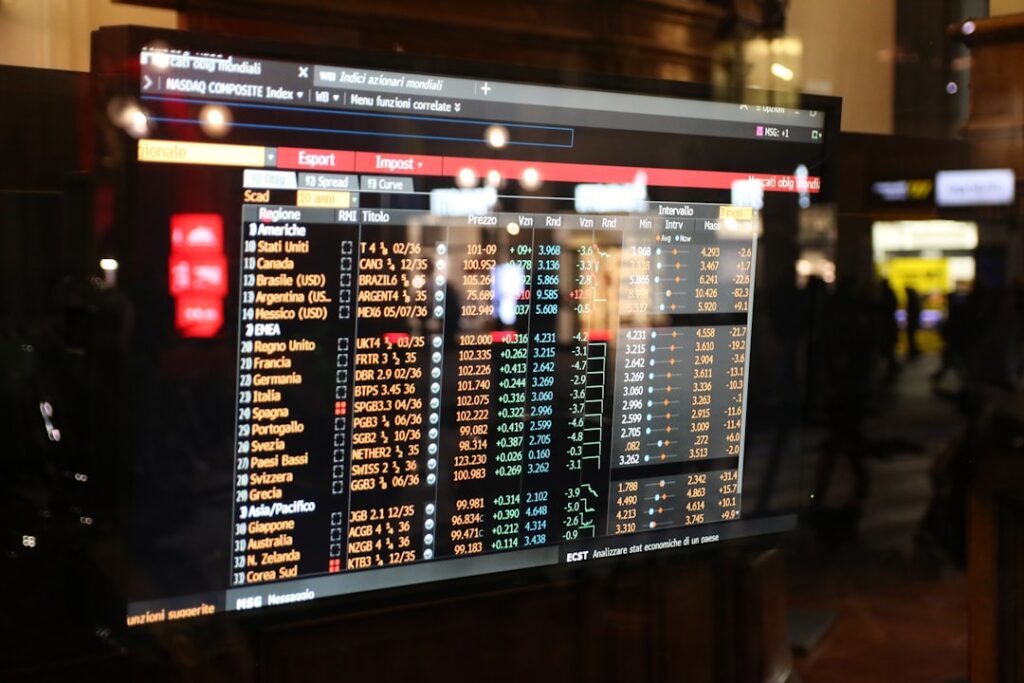
China’s Shanghai Composite lost another percentage point, emphasizing the vulnerability of growth-driven economies to rising oil prices.
Importance of Diversification
For investors, diversification is key to weathering the storm. Spreading investments across sectors less affected by oil prices, like consumer staples and utilities, can mitigate the impact of a crude-driven sell-off. Tactical hedges, such as oil-linked futures, can also provide protection against rising energy costs. A balanced portfolio and disciplined risk management are essential in a market where a single commodity can heavily influence equity indices.
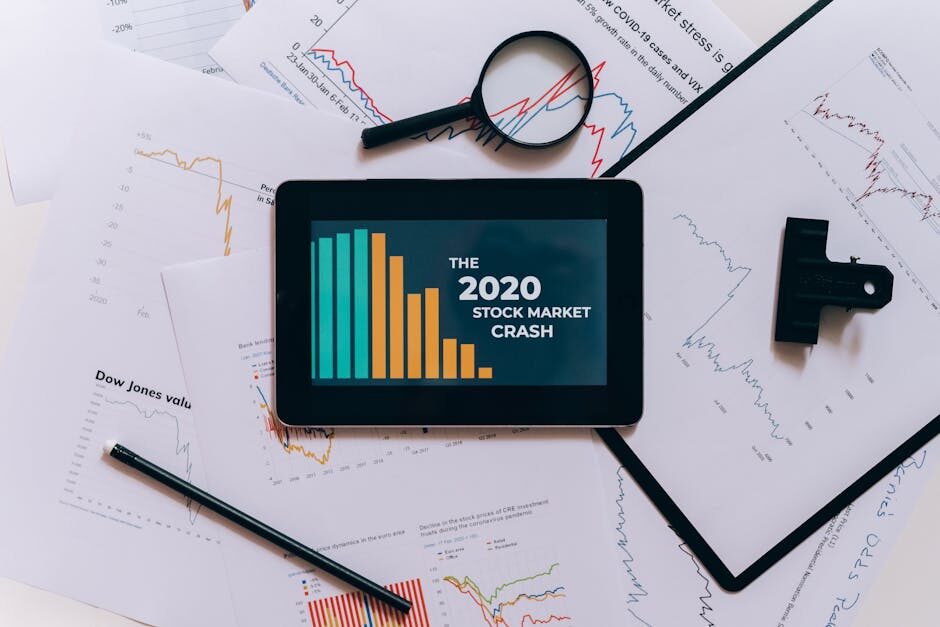
Looking ahead, the market’s direction will depend on whether diplomatic efforts can ease the US-Iran tensions before oil prices reach $120 per barrel. Until then, investors should proceed with caution and strategic flexibility, as current volatility may reshape risk assessments in the coming months.
“`