No products in the cart.

Bridging the Intergenerational Leadership Gap

Explore strategies to bridge the leadership gap between generations, fostering collaboration and innovation in the workplace.

“`html
The Generational Shift: Mapping a Workforce in Motion
Today’s workforce is predominantly young, with Millennials and Generation Z making up over sixty percent of employees globally. This figure is expected to rise to seventy-four percent by 2030. Modern organizations now include five generations, each with unique cultural influences, tech skills, and work-life balance expectations.
However, corporate leadership remains older. In 2008, the average CEO of S&P 1500 firms was fifty-four; by 2023, this age increased to nearly fifty-nine. Only five percent of S&P 500 board directors are under fifty. In regions like Brazil, the EU, and India, typical board members are between fifty-eight and sixty-four, about twenty years older than the global workforce median age of thirty-nine.
The Risks of Age-Exclusive Leadership: Why the Gap Matters
When decision-making is dominated by an older group, organizations risk becoming stagnant. While experience is valuable, it can also limit new ideas and awareness of emerging challenges. Companies that stick to outdated strategies may fall behind competitors that embrace fresh perspectives to tackle digital changes, climate issues, and evolving consumer values.
Age-exclusive leadership also hinders knowledge sharing. Senior executives have valuable insights, but without structured sharing methods, this knowledge can be lost as they retire. Younger employees, eager to innovate, may feel excluded, leading to disengagement and a loss of creative potential.
Research from MIT Sloan Management Review shows that age-diverse teams excel in “ambidextrous learning.” By combining seasoned insights with youthful experimentation, these teams maintain essential knowledge while enhancing overall intelligence.
Research from MIT Sloan Management Review shows that age-diverse teams excel in “ambidextrous learning.” By combining seasoned insights with youthful experimentation, these teams maintain essential knowledge while enhancing overall intelligence. This diversity leads to faster product development, increased revenue growth, and better market resilience.
Strategies for Cultivating intergenerational Leadership Pipelines
Consultation: Leveraging Complementary Strengths
Consultation creates structured opportunities for senior and junior leaders to collaborate on solutions. Rotating “insight panels” that pair experienced executives with emerging talent can reveal new opportunities, such as a millennial’s data skills uncovering revenue streams or a Gen Z manager’s social media expertise reshaping brand strategies. It’s crucial to formalize these exchanges, documenting and acting on valuable insights.
You may also like
 Career Guidance
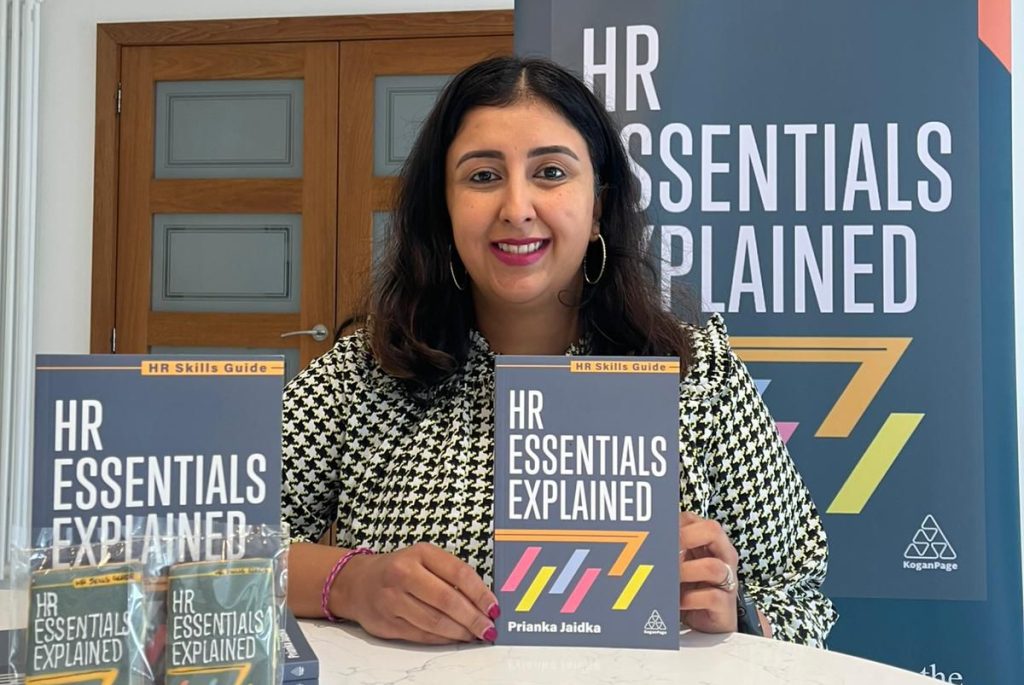
The Future of HR, Stripped to the Essentials
Human resources is no longer just about policies—it’s about relationships, culture, and accountability. HR Essentials Explained offers a practical guide for young professionals navigating the…
Read More →Shared Decision-Making: From Tokenism to True Partnership
Shared decision-making empowers younger leaders with real authority. Pilot programs that assign joint budget responsibilities or co-lead strategic initiatives shift from mere inclusion to genuine power sharing. In a cross-generational team overseeing a product launch, the senior member ensures compliance while the junior member brings agility and customer focus, leading to sound and forward-thinking decisions.
Intergenerational Leadership Pipelines: Designing the Future Today
Building a leadership pipeline requires intentional talent development. Mentorship programs pairing senior executives with promising younger staff should include reverse mentoring, where juniors teach seniors about new technologies or cultural trends. Succession planning must incorporate “age-diversity metrics” to track leadership roles for under-40 candidates. Rotational assignments across functions and locations can accelerate the experience needed for board readiness.

The Tangible Benefits of an Age-Diverse Leadership Fabric
Implementing these practices offers concrete benefits:
- Ambidextrous Learning: Teams that mix experience with curiosity preserve core skills while exploring new innovations.
- Accelerated Innovation: Diverse age groups generate more ideas, speeding up the path from concept to market and increasing the chances of breakthrough products.
- Organizational Resilience: In crises, age-diverse leadership can draw on a broader range of past experiences and new approaches for quicker, balanced responses.
Navigating the Hybrid Landscape: Practical Playbooks for Leaders
CEOs and board chairs must act strategically and culturally to address this issue:
Intergenerational Leadership Pipelines: Designing the Future Today Building a leadership pipeline requires intentional talent development.
- Audit the Current Age Profile: Start with a data-driven review of leadership ages, identifying gaps compared to workforce demographics.
- Redesign Governance Structures: Implement age-diversity quotas for committees to ensure diverse viewpoints in key discussions.
- Incentivize Collaboration: Link performance metrics to cross-generational project outcomes, rewarding effective knowledge sharing.
- Invest in continuous learning: Create platforms for skill-sharing, from mastering legacy processes to learning new digital skills.
- Champion Narrative Change: Share success stories of intergenerational partnerships to promote the idea that leadership isn’t solely based on age.
Critical Insights: Rethinking career trajectories
The move toward intergenerational leadership changes career expectations for all age groups. Younger professionals can now envision paths that don’t require waiting years for senior roles. They can take on hybrid positions that blend execution with strategic influence. For senior leaders, the role shifts from sole decision-maker to steward of collective intelligence, requiring humility and a willingness to mentor and learn.
You may also like
 Education & University Insights
Understanding Health Promotion in Public Health
Explore the essence of health promotion, its focus on empowering communities, and its role in addressing social determinants of health.
Read More →

Strategic Perspective: The Imperative of Inclusive Power
Data shows that age-diverse leadership leads to better decision-making, increased innovation, and greater resilience. Achieving this balance requires more than good intentions; it necessitates a systematic redesign of governance, talent pipelines, and cultural norms. Companies that prioritize consultation, shared decision-making, and strong intergenerational pipelines will not only close the leadership gap but also gain a lasting competitive advantage as the workforce becomes