No products in the cart.

Rising Child Labor Violations in the U.S. Amidst Regulatory Rollbacks
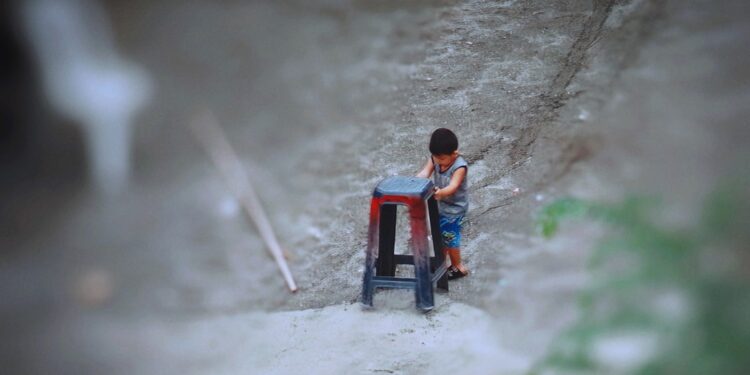
Child labor violations in the U.S. have surged fivefold since 2015, coinciding with Republican-led efforts to weaken protections. This alarming trend threatens minors' safety and education.

“`html
Surge in Child Labor Violations in the U.S.
From fiscal 2015 to fiscal 2025, the U.S. saw a fivefold increase in child labor violations. The Department of Labor reported 1,012 minors working illegally in 2015, rising to 5,272 by 2025. Hazardous occupation violations more than doubled, from 355 cases in 2015 to 773 in 2025. These figures reflect children in dangerous environments that threaten their health and education.
This rise coincides with a decline in protections. Since 2021, thirty states have considered laws to relax child labor rules, and seventeen have enacted these changes. This trend spans from the Midwest to the Deep South, indicating a coordinated effort rather than isolated incidents.
Analysts at the Economic Policy Institute (EPI) link this increase to weakened federal oversight, lower state standards, and some employers exploiting regulatory gaps. When protections weaken, vulnerable children seeking work or forced into it by family needs are the first to suffer.
Republicans Roll Back Protections
In 2026, Republican-led states like Nebraska, Indiana, and West Virginia passed laws that loosen youth employment restrictions. These laws increase allowable work hours, redefine “non-hazardous” tasks, and lessen employer reporting requirements. Similar proposals are pending in Florida, Missouri, and Virginia.
When protections weaken, vulnerable children seeking work or forced into it by family needs are the first to suffer.
These state efforts align with the Heritage Foundation’s Project 2025, which aims to dismantle federal labor standards. The project views child labor deregulation as a step toward broader regulatory cuts, suggesting that state flexibility could make national protections obsolete.
Nina Mast, an analyst at EPI, warns that weakening state standards could undermine federal protections. She emphasizes that without these safeguards, children will face hazardous work conditions and other violations that are already prevalent.
You may also like
 Career Guidance
Decoding Company Culture: Strategies for Job Seekers
Understanding company culture is vital for job seekers. This guide offers a checklist and strategic questions to ensure a good fit.
Read More →By shifting authority to state legislatures, often controlled by partisan majorities, deregulation advocates can bypass the federal rule-making process. This creates a patchwork of protections that varies widely, leaving children vulnerable in states where rollbacks have occurred.
Impact on Minors and Labor Standards
The human cost of these changes is significant. Children working in violation of the Fair Labor Standards Act (FLSA) face dangerous machinery, toxic substances, and long hours that conflict with school. The rise in hazardous cases—from 355 to 773—indicates a shift from minor infractions to serious safety issues.
Looser state regulations allow employers to classify young workers as “family-business apprentices” or “seasonal helpers,” bypassing mandatory breaks, wage guarantees, and safety training. This can lead to chronic injuries and missed educational opportunities, perpetuating poverty.
Looser state regulations allow employers to classify young workers as “family-business apprentices” or “seasonal helpers,” bypassing mandatory breaks, wage guarantees, and safety training.
The decline in child labor protections also affects the broader labor market. A weakened framework for minors sets a precedent that could extend to adult workers, undermining expectations for safe conditions and fair pay. EPI warns that this erosion is a slippery slope that threatens overall labor standards.

Enforcement agencies are struggling to keep up. The Department of Labor’s Wage and Hour Division reports that its investigative capacity has not matched the rising number of cases. With fewer violations flagged at the state level, federal inspectors face a growing backlog, reducing the deterrent effect of penalties.
Community organizations are stepping in to help. In states like Indiana, grassroots coalitions are educating parents about legal work limits and providing legal aid to families facing exploitation. However, without strong laws, these efforts are more reactive than preventive.
You may also like
 Career Guidance
40 Powerful Career Wishes to Inspire and Celebrate Success Like a Pro
Looking for the perfect way to celebrate someone's career milestone? Check out these 40 powerful career wishes designed to inspire and strengthen relationships, with personalized…
Read More →The rise in violations, legislative rollbacks, and weak enforcement illustrate a retreat in regulatory protections. Yet, the future is not set. Each election cycle presents opportunities for change, and public pressure can shift the focus back to child welfare.
In states like Indiana, grassroots coalitions are educating parents about legal work limits and providing legal aid to families facing exploitation.
What happens next depends on whether lawmakers respond to the evidence of harm or continue prioritizing deregulation for “job creation.” The upcoming legislation will shape whether America’s children can expect a future of education and safety or one marked by exploitation.
“`