No products in the cart.

AI Admissions Under Fire: UK Universities Face a Credibility Crisis

AI-driven admissions are widening bias, prompting regulators and campuses to rethink how students are selected. Recent protests and new OfS guidelines highlight the urgency of transparent, fair AI in UK higher education.

AI-driven admissions are widening bias, prompting regulators and campuses to rethink how students are selected.
UK Universities Under Fire for AI-driven Admissions
The University of Leeds faced a backlash in September 2025 when it introduced an AI-scoring tool for personal statements. Students protested outside the admissions office, demanding to know how the algorithm decided who got a place. The university paused the pilot after a Freedom of Information request revealed that the system flagged applicants from lower-income schools at twice the rate of those from elite colleges.
Critics argue that AI can embed hidden biases, hide decision logic, and erode trust in merit-based selection. A recent Nature study warned that AI-enabled recruitment tools often reproduce existing discrimination, especially when training data reflect historic inequities.
Global Trends in AI Adoption in Education

The UK is not alone in adopting AI-driven admissions. Kazakhstan replaced traditional written tests with AI-generated assessments last year, sparking concerns about fairness and cultural bias. Across the Atlantic, AI hiring platforms have been found to filter out top job applicants because the algorithms prioritize patterns that do not correlate with performance.
Consequences of Biased or Discriminatory Admissions Practices For students, biased AI can translate into blocked pathways to higher education and diminished social mobility.
Consequences of Biased or Discriminatory Admissions Practices
For students, biased AI can translate into blocked pathways to higher education and diminished social mobility. A 2024 analysis of UK admissions data found that AI-scored applications from Black and Asian students were 12% less likely to be offered a place, even after controlling for grades.
Universities risk reputational damage, legal challenges, and funding penalties if they cannot prove that their AI tools are non-discriminatory.
Regulatory and Institutional Efforts to Address Concerns
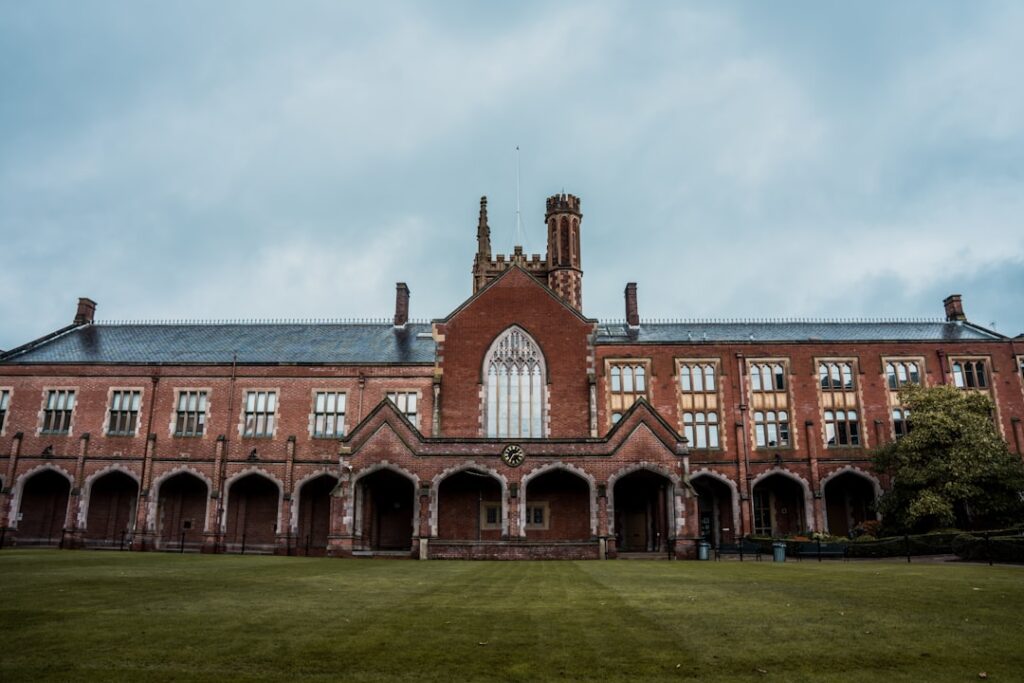
The Office for Students (OfS) has published new guidelines demanding that any AI system used in admissions must be auditable, explainable, and regularly tested for bias. Universities are now required to publish impact assessments before deploying new tools.
Several UK campuses have taken proactive steps, including Imperial College London and the University of Glasgow, which have developed transparent AI frameworks and holistic admissions models.
You may also like
 Business Innovation
Events Industry Poised for Growth: $2.5 Trillion by 2035
The global events industry is set to reach $2.5 trillion by 2035, driven by innovation and changing consumer preferences. Explore the implications for stakeholders.
Read More →The Future of AI in University Admissions
The scrutiny is unlikely to fade. As AI tools become more sophisticated, regulators will tighten standards, and universities will need to prove that their systems are both fair and transparent.
Several UK campuses have taken proactive steps, including Imperial College London and the University of Glasgow, which have developed transparent AI frameworks and holistic admissions models.
Future developments may include open-source AI models vetted by independent auditors and real-time bias dashboards that alert staff to discriminatory patterns.