No products in the cart.

GitHub’s Copilot Premium Pushes Freelancers and Open‑Source Coders to the Edge
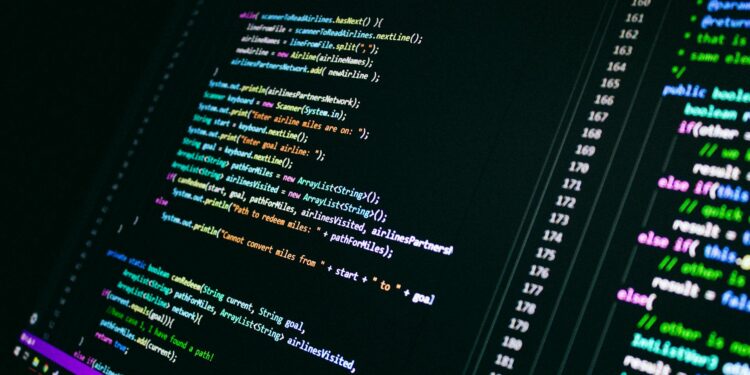
GitHub’s move to a paid‑only Copilot threatens freelancers and open‑source developers, but a surge of free alternatives and community‑driven models may keep AI coding tools within reach.

GitHub’s shift to a paid‑only Copilot threatens the productivity of freelancers and the momentum of open‑source, but a surge of alternatives could reshape the AI‑coding landscape.
The Problem
When GitHub announced that Copilot would become “Copilot Premium” for all users beyond a limited free tier, freelancers and open-source developers were left reeling. Maria Gómez, a freelance full-stack developer, posted on X that the new $20 per-month fee “cuts my profit margin in half.” Critics argue that the shift will create a two-tier system, where well-funded enterprises get the best tools, while freelancers and open-source maintainers scramble for workarounds.
GitHub’s move replaces the previously free tier that many independent coders relied on for code suggestions, debugging help, and boilerplate generation. The company says the premium model will fund “next-generation AI research” and improve “security and compliance” features. However, critics argue that the shift will limit access to AI-assisted coding, creating a barrier to entry for underrepresented groups.
The Context
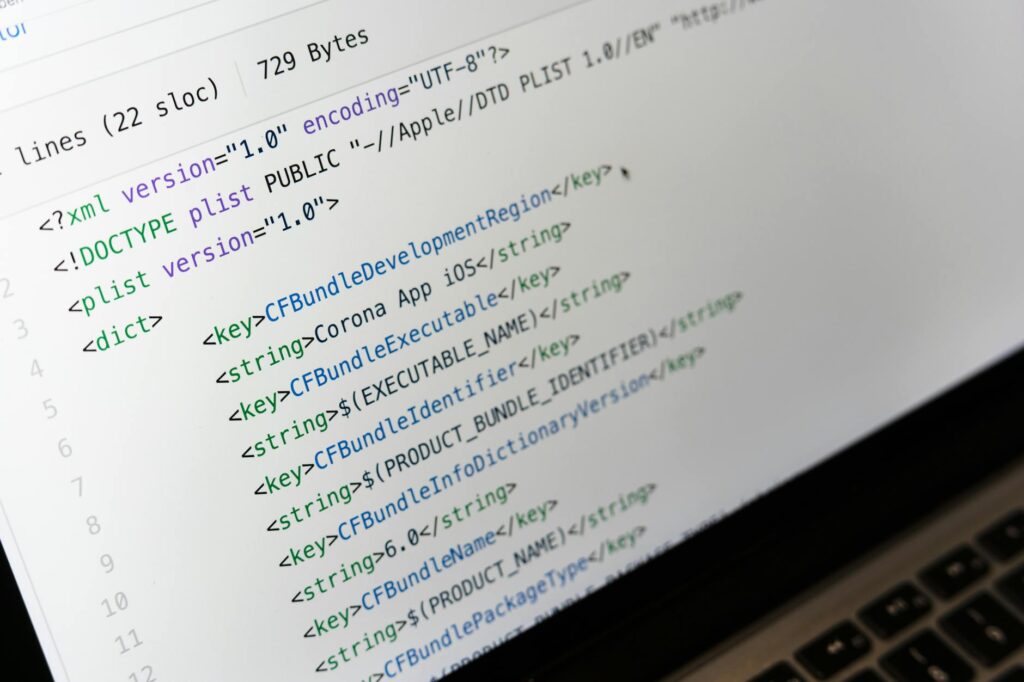
AI has been reshaping software development for years, but the last three years saw an acceleration. The 2025 Stack Overflow Developer Survey reported that 62% of respondents used an AI code assistant weekly, up from 38% in 2023. GitHub Copilot, launched in 2021, quickly became the market leader, boasting integration with Visual Studio Code, JetBrains IDEs, and a growing library of language models.
The Context GitHub’s Copilot Premium Pushes Freelancers and Open‑Source Coders to the Edge AI has been reshaping software development for years, but the last three years saw an acceleration.
The Stakes
Freelancers stand to feel the squeeze first. The average freelance developer in North America charges $75 per hour, according to the Freelancers Union 2025 earnings report. Adding a $20 monthly subscription represents a 3.5% increase in overhead—a margin that can decide whether a bid wins or loses. For developers in emerging markets, the impact is even harsher.
Open-source projects face a parallel threat. Many maintainers rely on Copilot’s suggestions to triage pull requests, generate test cases, and keep documentation up to date. The Linux Foundation’s 2025 Open-Source Health Report noted that 41% of surveyed maintainers use AI assistants daily. If access becomes limited, projects may see slower release cycles and higher maintenance burdens.
The Response
In the wake of GitHub’s announcement, a wave of alternatives has surfaced. Tabnine, a rival AI code assistant, rolled out a “Community” tier that remains free for non-commercial use. The open-source community is rallying to build its own models, including the “OpenCoder” project, backed by the Apache Software Foundation. Early adopters report mixed results, but the initiative signals a growing desire to reclaim control over AI tooling.
Professional bodies are also weighing in. The International Association of Software Architects (IASA) issued a position paper urging platforms to adopt “fair access” policies, arguing that AI tools are now part of the developer’s essential toolkit.
The Outlook
You may also like
 Education & University Insights
Why UGC’s Equity Rules on Caste Discrimination Are Controversial
UGC's new equity rules aimed at addressing caste discrimination face backlash from various quarters, raising concerns over their definitions and the implications for academic freedom.
Read More →The long-term picture is still forming. If GitHub’s premium model sticks, we may see a fragmented ecosystem where high-end AI tools cluster around well-funded firms, while independent developers rely on a patchwork of free or community-driven alternatives. Such a split could spur innovation, but it could also slow collaboration across the industry.
Professional bodies are also weighing in.
Regulatory scrutiny may also shape outcomes. The European Commission’s AI Act, slated for enforcement in 2027, emphasizes transparency and fairness in AI services. Should regulators deem paywalls for essential development tools as “discriminatory,” GitHub could face pressure to adjust its pricing structure for certain user groups.
Ultimately, the balance between commercial viability and community access will dictate the next chapter of AI-augmented development. For freelancers and open-source contributors, the coming months will be a test of adaptability.