No products in the cart.

VR Meeting Rooms Are Redefining Remote Collaboration
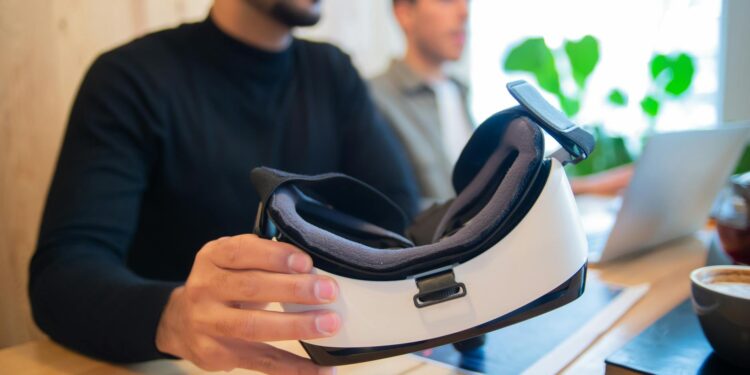
Immersive VR meeting rooms are already improving idea generation and cutting travel costs, but adoption hurdles like cost, privacy, and motion sickness mean they will complement, not replace, traditional video tools. Companies that invest early will gain a competitive edge in productivity and talent

Immersive VR spaces are already boosting productivity and could become the new standard for remote teams.
The Remote Work Challenge
When Accenture’s 2025 “Future of Work” survey asked 5,000 managers how often they felt “truly connected” to remote staff, only 27% said they did. Video calls average 45 minutes, but 30% of participants admit they drift off after ten minutes. Companies like Shopify and Atlassian report that prolonged reliance on Zoom and Teams has led to “Zoom fatigue” and a dip in cross-functional brainstorming.
The Rise of Virtual Reality
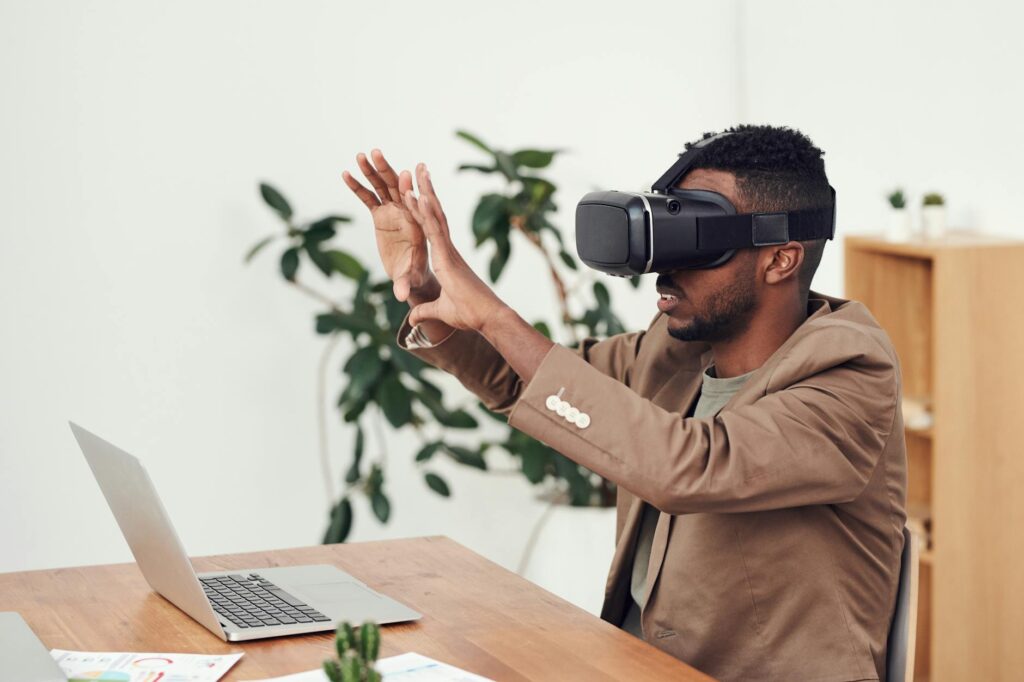
VR hardware has become more affordable. The Oculus Quest 3 launched at $399 in late 2024, and Apple’s Vision Pro entered the market with a $3,499 premium. According to a Market Data Forecast report, the global VR market will reach $74 billion by 2033, driven largely by business applications. Outside of work, VR is already reshaping classrooms, operating rooms, and concert venues.
The Remote Work Challenge When Accenture’s 2025 “Future of Work” survey asked 5,000 managers how often they felt “truly connected” to remote staff, only 27% said they did.
The High Stakes of Ineffective Collaboration
When teams can’t collaborate fluidly, the bottom line suffers. A 2024 Deloitte analysis linked poor remote coordination to a 12% dip in project delivery speed and a 9% rise in employee turnover. For talent-hungry firms, losing a single senior engineer can cost upwards of $250k in recruiting and lost productivity.
The Response: Virtual Reality Meeting Rooms
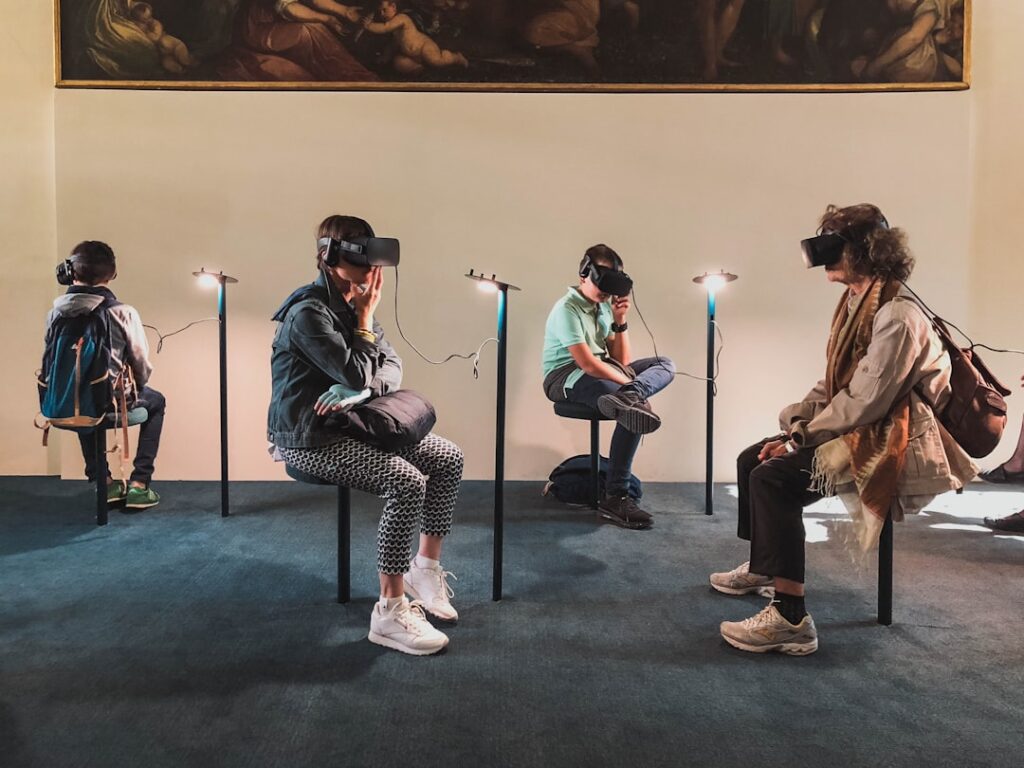
Meta’s Horizon Workrooms and Google’s Immersive Canvas are already field-tested in global product teams. Meta reports that users who switched to Workrooms saw a 22% increase in idea-generation speed during sprint planning. Google’s internal pilots show a 30% reduction in meeting time because participants can manipulate 3D models and whiteboards without toggling screens.
The Future of Remote Work: A Virtual Reality-Driven Outlook
As haptic gloves and eye-tracking become mainstream, VR meeting rooms will feel less like a novelty and more like an extension of the office. Analysts predict that by 2028, 40% of Fortune 1000 companies will have a dedicated “virtual campus” where employees attend daily stand-ups, client demos, and even casual coffee chats.
You may also like
 Entrepreneurship & Business
Seasonal Email Strategies to Boost Sales Authentically
Discover effective email marketing strategies for the holiday season that foster genuine connections and drive sales without feeling salesy.
Read More →For career-focused readers, the shift creates new pathways. Companies are hiring “virtual experience designers” and “remote immersion facilitators” at rates comparable to senior product managers. Learning basic Unity or Unreal Engine skills can open doors to roles that shape the next generation of digital workplaces.