No products in the cart.

The Rise of AI in Theater: Virtual Actors on Stage

As AI reshapes performing arts, the rise of virtual actors introduces hybrid careers in theatre. Explore this evolving landscape.

The curtain rises on a new era in the performing arts, where the once-sacred space of theatre is now shared with artificial intelligence. Imagine sitting in a darkened auditorium, the stage illuminated not just by traditional spotlight but also by the glow of digital screens showcasing a virtual actor. This is not a distant dream; it is quickly becoming a reality as technology seeps into the creative world, challenging the very definition of performance.
In recent years, we have witnessed an unprecedented fusion of creativity and technology. The emergence of AI-generated performances is not merely a gimmick but a profound shift in how stories are told. As the world grapples with this transformation, one question looms overhead: What does this mean for the future of human actors and the careers of those in the performing arts?
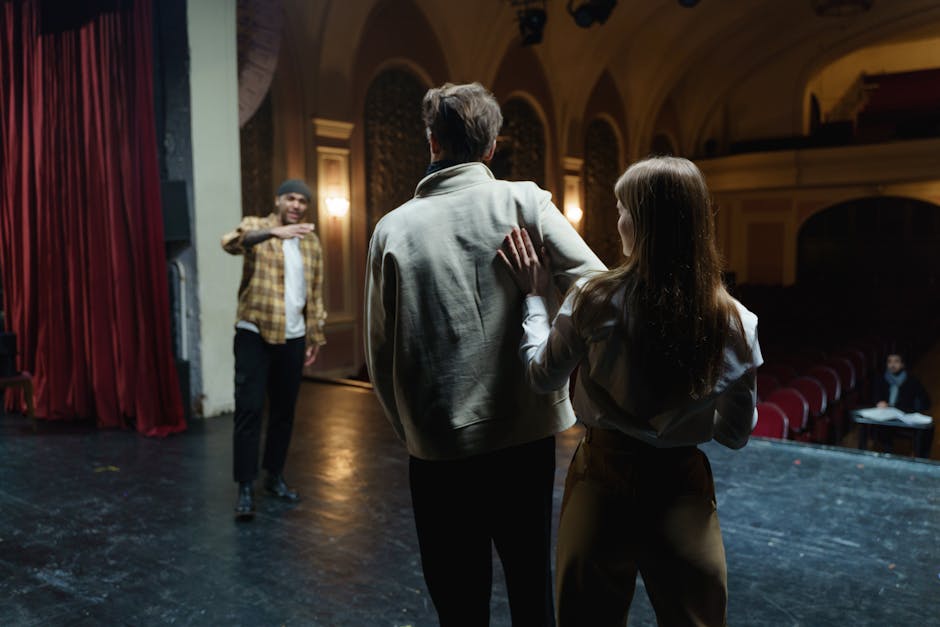
Theatre has always been a reflection of societal changes, evolving from ancient Greek dramas to Shakespearean plays and Broadway musicals. Now, as digital technologies become more integrated into our lives, the stage is set for AI to play a leading role. Performance capture technology allows for the creation of virtual actors that can perform in real-time alongside human performers. This groundbreaking innovation opens up new avenues for creativity but also sparks a dialogue about the essence of performance itself.
Take, for instance, the recent production of AI Dream, where a virtual actor named Ava, created by a leading tech company, shared the stage with seasoned performers. Critics were divided; some hailed it as a revolutionary leap forward, while others lamented the loss of the emotional depth that only a human actor can convey. The debate echoes across industries as AI continues to encroach into creative spaces—where does the line between artist and algorithm blur?
Theatre has always been a reflection of societal changes, evolving from ancient Greek dramas to Shakespearean plays and Broadway musicals.
Supporters of AI in theatre argue that the technology can enhance creativity, allowing writers and directors to explore narratives and character arcs that would be impossible with only human actors. For example, a virtual actor can be programmed to embody multiple characters seamlessly, shifting from a tragic hero to a comedic sidekick within a single scene. This flexibility can enrich storytelling, providing audiences with a multifaceted experience.
You may also like
 Business Insights
Neurodiversity at Work: Systemic Levers for Productivity and Retention
Embedding systematic disclosure mechanisms, flexible work design, and governance‑level neurodiversity policies transforms a latent talent pool into measurable productivity, innovation, and economic mobility gains.
Read More →However, not everyone is convinced. Many actors fear that AI will replace them, leading to job losses and a devaluation of their craft. The International Actors Union has raised concerns, emphasizing the need for regulations to ensure that AI complements rather than competes with human talent. “We’re not against technology,” says spokesperson Julia Hart, “but we believe that the human touch is irreplaceable. Theatre is about connection, and you can’t replicate that with a machine.”
As we navigate this brave new world, educational institutions are adapting their curriculums to prepare the next generation of theatre professionals for a landscape where technology reigns. Schools are beginning to offer courses in digital performance, motion capture, and AI storytelling. Graduates are entering the workforce not only as actors but as hybrid creatives who can navigate both the artistic and technological realms.
In this evolving landscape, the gig economy is also making its mark. Freelance performers can now collaborate with tech companies to create unique virtual performances, while startup platforms are emerging to connect artists with AI developers. This shift is democratizing the industry, allowing for a diverse range of voices and stories to emerge—stories that might never have seen the light of day in traditional theatre.
Looking ahead, the future of AI in theatre remains uncertain but undeniably exciting. Will virtual actors become the norm, or will human performers reclaim their rightful place at the forefront of storytelling? One thing is clear: as technology continues to evolve, so too will the roles within this vibrant industry. The stage may be shared, but the passion for storytelling remains unwavering.
As we navigate this brave new world, educational institutions are adapting their curriculums to prepare the next generation of theatre professionals for a landscape where technology reigns.
You may also like
 Education Innovation
20 Universities in South Korea Face Visa Ban for Foreign Students
South Korea's government has imposed a one-year ban on 20 universities from issuing student visas to foreign nationals, impacting international education.
Read More →As we embrace this new chapter, it’s essential to remember that technology should serve to enhance the human experience, not diminish it. The challenge lies in finding a balance where AI can inspire creativity without overshadowing the unique emotional resonance that only a human actor can provide. After all, at the heart of every performance lies the indelible truth of our shared humanity—something that no algorithm can replicate.