No products in the cart.

How AI Is Reshaping Skills, Hiring, and Education | Career Outlook
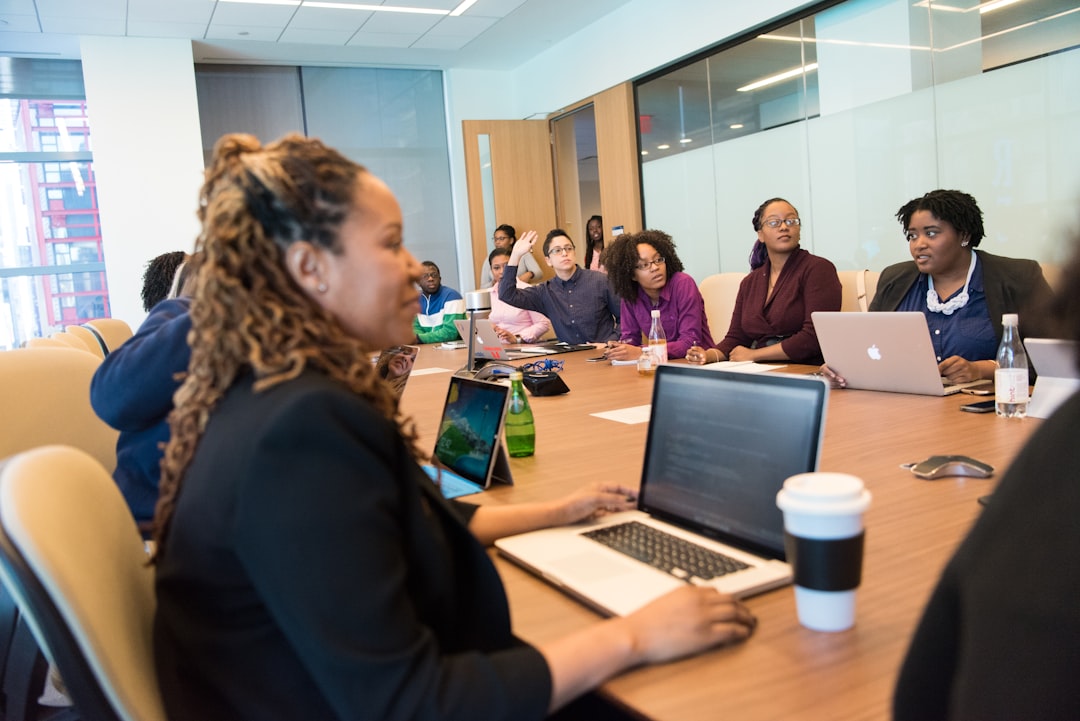
As artificial intelligence (AI) continues to advance, its influence on the workforce is profound. The traditional job market is evolving, with a shift towards a skills-based economy. This transformation is not just about technology; it redefines how we think about education and employment. The implications for workers, educators, and businesses are significant.

As artificial intelligence (AI) continues to advance, its influence on the workforce is profound. The traditional job market is evolving, with a shift towards a skills-based economy. This transformation is not just about technology; it redefines how we think about education and employment. The implications for workers, educators, and businesses are significant.
The Wharton-Accenture Skills Index shows that AI is accelerating demand for specialized skills. Employers are moving away from traditional qualifications, focusing instead on specific competencies. This shift creates a gap between the skills workers have and the skills employers need. As companies adapt, workers must also evolve to meet these new demands.
AI’s impact is felt across various sectors. For instance, industries like finance and healthcare are increasingly relying on AI tools to enhance decision-making and efficiency. As a result, the types of skills that are in demand are changing rapidly. Workers who can adapt and learn new skills will have a competitive edge in this evolving landscape.
AI’s Influence on Hiring Practices
In the past, job seekers often relied on degrees and certifications to prove their capabilities. However, the rise of AI is shifting this paradigm. According to the Wharton-Accenture Skills Index, employers now prioritize skills over formal education. This trend reflects a growing recognition that traditional credentials may not accurately represent a candidate’s abilities. For example, companies like Accenture emphasize the importance of specialized expertise, seeking candidates who possess specific skills relevant to their needs rather than those who simply hold degrees.
Moreover, AI tools are becoming integral to the hiring process. Many organizations leverage AI-driven platforms to analyze resumes and assess candidates. These systems can identify the most qualified individuals based on their skills and experiences, streamlining the hiring process. However, this reliance on technology also raises concerns about bias and fairness in recruitment. The potential for AI systems to perpetuate existing biases in hiring practices is a critical issue that companies must address to ensure equity in their recruitment processes.
You may also like
 Business Insights
When Not to Use AI
In an era where artificial intelligence (AI) is rapidly transforming industries, the challenge for managers is to find the right balance between leveraging this technology…
Read More →As noted in a recent podcast by Knowledge at Wharton, the shift towards a skills-based economy necessitates a reevaluation of how educational institutions prepare students for the workforce.
As companies adapt to these changes, workers must be proactive in developing their skills. Continuous learning and upskilling are essential for staying relevant in a rapidly changing job market. This demand for adaptability underscores the importance of lifelong learning in today’s economy. As noted in a recent podcast by Knowledge at Wharton, the shift towards a skills-based economy necessitates a reevaluation of how educational institutions prepare students for the workforce.
Addressing the Skills Gap
The skills gap is a pressing issue in today’s workforce. While employers seek specialized skills, many workers lack the necessary training to meet these demands. According to a report by Knowledge at Wharton, this gap is widening, leaving many job seekers at a disadvantage. The report highlights that educational institutions play a crucial role in bridging this divide. As AI transforms the job market, schools and universities must adapt their curricula to align with industry needs. This means placing greater emphasis on practical skills and real-world applications. Programs that focus on coding, data analysis, and critical thinking are becoming increasingly valuable.
Furthermore, collaboration between businesses and educational institutions is essential. Companies can provide insights into the skills they require, allowing educators to tailor their programs accordingly. This partnership can help ensure that graduates are better prepared for the demands of the job market. The Knowledge at Wharton podcast emphasizes the importance of these collaborations, suggesting that a more integrated approach can lead to better outcomes for students and employers alike.
Additionally, workers must take initiative in their own learning journeys. Online courses, bootcamps, and workshops offer opportunities to acquire new skills. By actively seeking out these resources, individuals can enhance their employability and align themselves with the evolving needs of employers. The emphasis on self-directed learning is crucial, as it empowers workers to take control of their career paths in an increasingly competitive environment.

Preparing for an AI-Driven Future
You may also like
 Business Innovation
Bio‑Inspired Cities: A Structural Blueprint for Sustainable Career Capital
By embedding ecosystem principles into city infrastructure, bio‑inspired urban planning restructures the flow of resources, power, and career capital, positioning nature‑aligned design as the systemic…
Read More →The future of work is undeniably tied to AI advancements. As technology continues to evolve, so too will the skills required in the job market. Workers who embrace change and commit to lifelong learning will be well-positioned to thrive in this new landscape. Businesses will increasingly rely on AI to drive efficiency and innovation, creating new roles and opportunities, particularly in fields such as data analysis and AI ethics. However, it will also necessitate a shift in how workers approach their careers.
The emphasis on self-directed learning is crucial, as it empowers workers to take control of their career paths in an increasingly competitive environment.
Moreover, the ongoing evolution of AI will likely lead to new ethical considerations. As companies adopt AI-driven hiring practices, questions about fairness and transparency will arise. Ensuring that AI systems are free from bias and discrimination will be crucial in maintaining a fair job market. The Knowledge at Wharton podcast discusses these ethical implications, highlighting the need for transparency in AI algorithms to build trust among job seekers and employers alike.

Ultimately, the intersection of AI, skills, hiring, and education presents both challenges and opportunities. By adapting to these changes, workers can navigate the complexities of the modern job market. The key lies in embracing continuous learning and focusing on developing skills that align with future demands. As the landscape of work continues to shift, young professionals should prioritize adaptability. Those who are willing to learn and grow will find themselves at the forefront of this evolving economy. The future may be uncertain, but the potential for growth and success is immense.
Sources: Knowledge at Wharton, Bloomberg.