No products in the cart.

Who Benefits from Hybrid Working? Research on Autonomy and Workplace Interruptions
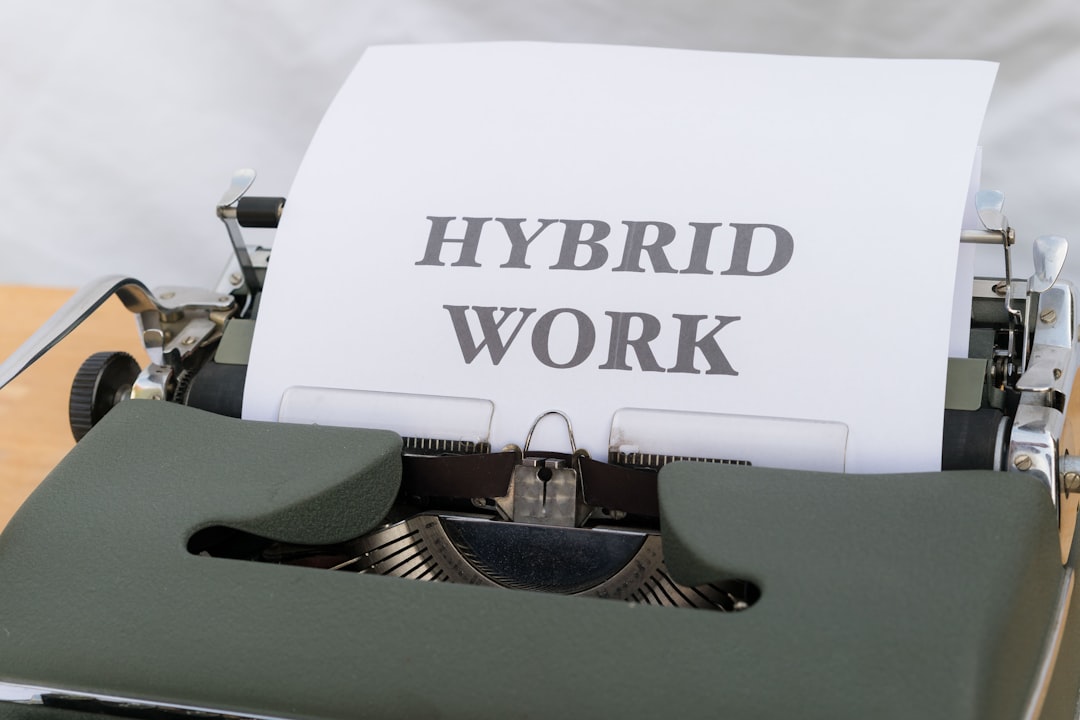
As organizations adapt to post-pandemic realities, hybrid work has emerged as a dominant model, transforming employee engagement with work environments. This analysis explores the implications of autonomy and workplace interruptions on productivity and well-being.

Shifting Dynamics in Work Environments
As organizations adapt to post-pandemic realities, hybrid work has emerged as a dominant model. This shift has transformed how employees engage with their work environments. The blend of remote and in-office work offers flexibility but also introduces new challenges. Research indicates that while hybrid work can enhance productivity, it also demands significant self-management skills.
According to a recent study from the Oxford Review, hybrid work arrangements have become popular among employees seeking a better work-life balance. The flexibility to choose where to work has been linked to increased job satisfaction. However, this model is not without its complications. Employees often face interruptions that can hinder their productivity, especially when working from home.
Another layer of complexity is the varying levels of autonomy experienced by employees in hybrid settings. A study found that those with higher autonomy are more likely to thrive in hybrid environments. Yet, those with less autonomy may struggle with the demands of balancing remote and in-office work.
The Role of Autonomy in Hybrid Work Success
Autonomy plays a crucial role in the success of hybrid work models. Research shows that employees with greater autonomy report higher job satisfaction and productivity. They can choose when and where to work, aligning their tasks with their personal peak performance times. This flexibility can lead to better outcomes for both employees and employers.
The Role of Autonomy in Hybrid Work Success Autonomy plays a crucial role in the success of hybrid work models.
However, not all employees enjoy the same level of autonomy. Those in management positions often have less flexibility due to their responsibilities. This discrepancy can create tension within teams, as some employees may feel constrained by their roles while others enjoy the freedom of hybrid work. A 2026 study highlighted in the Oxford Review emphasizes that the impact of hybrid working is highly contextual, varying significantly across different organizations and their specific needs.
You may also like
 Business Innovation
Beyond the Rankings: Navigating Your University Choice in a New Era
A growing number of universities are boycotting global higher education rankings, prompting students to re-evaluate how they choose their educational path and define career success.
Read More →Moreover, the balance of autonomy and structure is vital for maintaining productivity. A study from the Friedrich-Alexander-Universität Erlangen-Nürnberg highlights that while autonomy is beneficial, it must be complemented by effective management strategies. Leaders need to foster an environment where employees feel empowered yet supported, ensuring that autonomy does not lead to isolation.

Addressing Workplace Interruptions
While hybrid work offers flexibility, it also introduces challenges related to workplace interruptions. Remote workers often face distractions that can disrupt their focus and productivity. Studies indicate that these interruptions can stem from home environments, technology issues, or lack of clear boundaries between work and personal life. A 2026 report from BBC highlights that the nature of hybrid work can lead to feelings of isolation among employees, which may hinder collaboration and team cohesion.
Furthermore, a recent study found that while some employees thrive in hybrid settings, others experience loneliness, negatively impacting their mental health. This isolation can be exacerbated by reduced in-person interactions, which are crucial for building relationships and fostering teamwork.
To address these challenges, organizations must implement strategies that promote a healthy balance between remote and in-office work. This includes providing resources for home office setups and fostering a culture of open communication. By addressing the root causes of interruptions, companies can enhance the hybrid work experience for their employees.
This isolation can be exacerbated by reduced in-person interactions, which are crucial for building relationships and fostering teamwork.
Adapting to Future Hybrid Work Models
The future of hybrid work is likely to involve continuous adaptation and refinement. Organizations will need to stay attuned to employee needs and preferences as they evolve. This includes re-evaluating policies and practices to ensure they align with the changing dynamics of work.
Emerging technologies will play a significant role in shaping the future of hybrid work. Tools that facilitate collaboration and communication will be essential for maintaining team cohesion. As remote work becomes more entrenched, organizations must invest in technologies that support seamless transitions between in-office and remote settings.
You may also like
 Artificial Intelligence
AI Curriculum Set to Transform High School Education
States are adopting AI curricula in high schools to prepare students for future job markets. Explore the implications.
Read More →
Moreover, the focus on employee well-being will likely intensify. Companies that prioritize mental health and work-life balance will attract and retain top talent. This shift will require a cultural transformation, emphasizing empathy and understanding in leadership practices.