No products in the cart.

From Guest to Content Creator: How to Design Events That Market Themselves
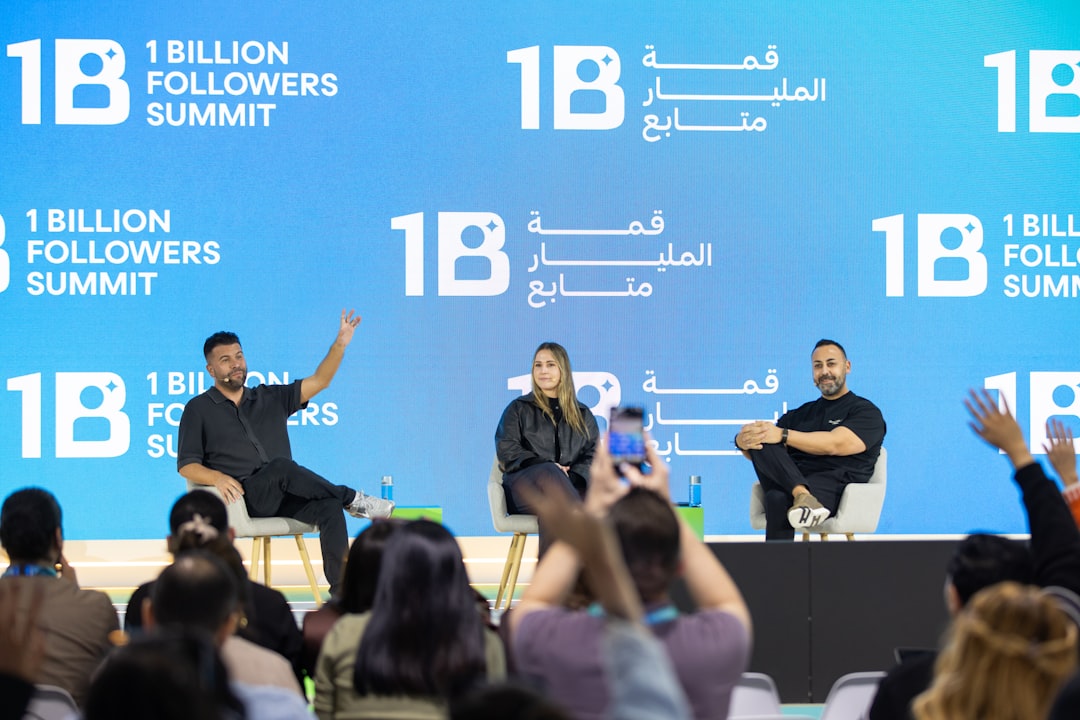
In an era dominated by digital interactions, the landscape of event management is shifting dramatically. Events have evolved into platforms for branding and marketing, requiring organizers to think like marketers and craft experiences that resonate beyond the physical venue.

In an era dominated by digital interactions, the landscape of event management is shifting dramatically. Events have evolved into platforms for branding and marketing, requiring organizers to think like marketers and craft experiences that resonate beyond the physical venue.
This evolution is not just about enhancing attendee experiences; it’s about creating events that generate buzz, engagement, and lasting impact. The key lies in integrating marketing strategies into the very fabric of event design. With the right approach, events can become powerful marketing tools that amplify a brand’s message and reach.
Harnessing Social Media for Engagement
Social media is the lifeblood of modern event marketing. Successful events leverage platforms like Instagram, Twitter, and Facebook to create anticipation and engagement long before the event starts. This begins with a well-crafted hashtag that attendees can use to share their excitement and experiences. A memorable hashtag not only unites participants but also serves as a digital footprint that can be tracked and analyzed.
Event organizers must encourage attendees to engage online through interactive installations, photo opportunities, and real-time sharing features. Creating visually appealing backdrops or interactive booths motivates attendees to take photos and share them on their social networks, helping to spread awareness and attract a larger audience for future events.
Moreover, live streaming components can significantly enhance engagement. By allowing online viewers to participate in real-time discussions and activities, events can reach a broader audience, generating excitement among those who cannot attend in person and fostering a sense of community among participants.
Designing Shareable Experiences To maximize the marketing potential of an event, organizers must focus on creating shareable moments.
Designing Shareable Experiences
To maximize the marketing potential of an event, organizers must focus on creating shareable moments. Events should offer unique experiences that attendees will want to document and share, such as interactive games, contests, or exclusive behind-the-scenes access to speakers and performers.
Interactive elements like photo booths with props or live art installations can captivate attendees and encourage them to share their experiences. By designing these moments with social media in mind, organizers can ensure that the event becomes a trending topic across various platforms. The more shareable the content, the greater the reach and impact of the event.
You may also like
 Career Advice
The Balance of T-Shaped Skills in Career Development
Understanding the T-shaped skills model is essential for modern career development, blending specialization with general knowledge for optimal market positioning.
Read More →Post-event engagement is equally crucial. After the event concludes, organizers should continue the conversation by sharing highlights, photos, and videos across social media channels. This keeps the event fresh in the minds of attendees and attracts potential participants for future events, fostering loyalty and building a community around the brand.
Leveraging Influencer Partnerships
Incorporating influencer marketing into event planning can significantly enhance visibility and credibility. Collaborating with influencers who align with the event’s theme can help reach a wider audience. These influencers can create pre-event content, share live updates during the event, and provide post-event reviews, amplifying the event’s reach.
Influencers often carry more weight among followers than traditional marketing methods, leading to increased attendance and engagement. By selecting influencers who resonate with the target audience, event organizers can create authentic connections that drive participation.
Furthermore, integrating social advocacy into events can enhance their appeal. Partnering with charitable organizations elevates the event’s purpose and encourages attendees to engage in meaningful ways, promoting social good while enhancing the brand’s image.
While digital engagement is important, it should not overshadow the core purpose of bringing people together.
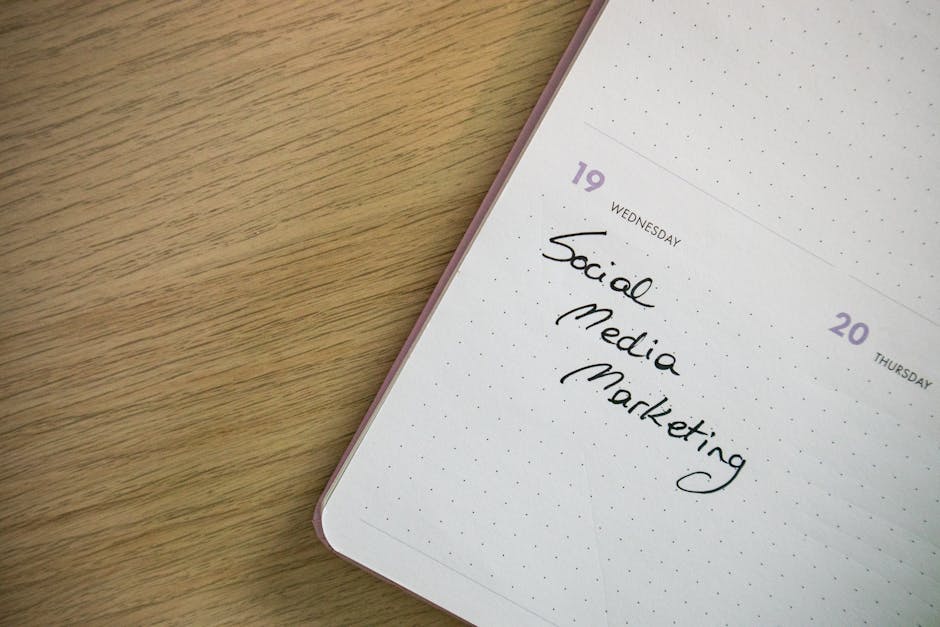
Navigating Challenges in Event Marketing
Despite the benefits of integrating marketing strategies into event design, challenges remain. Some industry experts caution that an overemphasis on social media can detract from the actual experience of the event. While digital engagement is important, it should not overshadow the core purpose of bringing people together.
Additionally, the reliance on influencers can lead to authenticity issues. If not chosen carefully, influencers may misalign with the brand’s values, leading to backlash or diminished trust among attendees. This highlights the need for careful selection and management of influencer partnerships to ensure they reflect the event’s mission and goals.
As technology advances, new tools and platforms will emerge, offering innovative ways to engage audiences. Virtual and augmented reality experiences may become more commonplace, allowing for immersive interactions that blur the lines between the digital and physical worlds.
Essential Skills for Future Event Professionals
For young professionals looking to enter the event marketing space, understanding these dynamics is crucial. Skills in social media management, content creation, and audience engagement are increasingly valuable. Familiarity with digital marketing tools and analytics will also set candidates apart in a competitive job market.
You may also like
 Business Insights
The Critical Skill Entrepreneurs Overlook That Leads to Panic
Discover why emotional rehearsal is crucial for entrepreneurs and how it can prevent panic under pressure. Explore actionable insights and expert advice.
Read More →Essential Skills for Future Event Professionals For young professionals looking to enter the event marketing space, understanding these dynamics is crucial.
As events continue to evolve into multifaceted marketing platforms, the demand for skilled professionals who can navigate this landscape will grow. Those who can blend creativity with strategic thinking will find ample opportunities in this dynamic field.
Sources: Britts Imperial, Economic Times, Bloomberg.