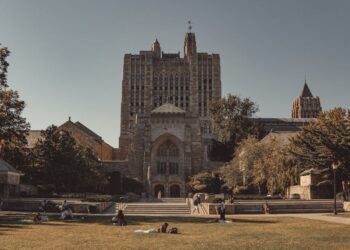
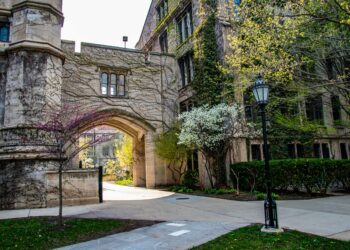
The decline in international student enrollment in the US under the Trump administration raises concerns for colleges and the economy, impacting diversity and funding.
Washington, US — The Trump administration’s policies have led to a significant decline in international student enrollment at American colleges and universities. According to a report from a major educational organization, international student enrollment dropped by 20% over the past two years, causing financial strain on institutions that rely heavily on tuition from these students. This decline is not just a statistic; it represents a shift in the landscape of higher education in the United States.
Colleges are feeling the squeeze. Many institutions have reported budget shortfalls as they adjust to the loss of tuition revenue from international students. This financial impact is particularly acute for private colleges, which often depend on these students to fill their classes and maintain their financial health. The American Council on Education notes that the loss of international students could lead to program cuts and faculty layoffs.
The decrease in enrollment is attributed to a range of factors, including stricter visa regulations and a perceived unwelcoming environment for international students. Many prospective students are reconsidering their options, with some opting for universities in countries like Canada and Australia, where policies are more favorable. This shift not only affects the colleges but also the broader economy, as international students contribute significantly to local communities through spending on housing, food, and other services.
Changing Landscape of International Education
The landscape of international education in the US is changing rapidly. Data from the Institute of International Education reveals that the number of new international students enrolling in US colleges has decreased sharply. In the last academic year alone, new enrollments dropped by nearly 15%. This trend is alarming for many institutions that have built their reputations on attracting a diverse student body.
As the number of international students declines, universities are exploring new strategies to attract and retain these students. Some institutions are increasing their outreach efforts in countries that have traditionally sent large numbers of students to the US. Others are enhancing support services to make the transition smoother for international students, recognizing that a welcoming environment is crucial for their success.
Others are enhancing support services to make the transition smoother for international students, recognizing that a welcoming environment is crucial for their success.
Moreover, the competition for international students is intensifying. Countries like Canada and the UK are actively promoting their educational systems as viable alternatives to the US. In a recent survey, over 60% of prospective international students indicated they would consider studying in Canada due to its more inclusive policies and welcoming attitude. This shift poses a significant challenge for US colleges, which must adapt to maintain their competitive edge in the global education market.
In addition to recruitment challenges, institutions are also grappling with the implications of a less diverse student body. Diversity enriches the educational experience for all students, fostering a global perspective that is increasingly important in today’s interconnected world. The decline in international students could lead to a homogenization of campus culture, which may negatively impact the learning environment.
Economic Ramifications of Enrollment Declines
The economic ramifications of declining international student enrollment are profound. According to a report from the National Association of Foreign Student Advisers, international students contribute approximately $45 billion to the US economy each year. This figure includes tuition payments, living expenses, and other expenditures that support local economies.
As enrollment declines, local businesses that cater to international students are also feeling the impact. Restaurants, housing services, and retail shops that rely on this demographic are experiencing reduced sales. In cities with a high concentration of international students, such as Boston and Los Angeles, the economic ripple effect is becoming increasingly evident.
As enrollment declines, local businesses that cater to international students are also feeling the impact.
Furthermore, the financial strain on colleges may lead to increased tuition for domestic students. As institutions seek to compensate for lost revenue, they may raise tuition rates, which could make higher education less accessible for many American students. This potential shift raises important questions about equity and access in the education system.
While some colleges are attempting to diversify their funding sources to mitigate these challenges, the road ahead remains uncertain. The long-term impact of these enrollment declines on the overall quality of education and institutional sustainability is still unfolding. Colleges must navigate these challenges carefully to ensure they can continue to provide quality education.
Implications for Future Policies and Strategies
The implications of declining international student enrollment extend beyond individual institutions. Policymakers must consider the broader effects on the education system and the economy. As the US competes for global talent, it is essential to create an environment that is welcoming and supportive of international students.
The need for collaboration between educational institutions and policymakers has never been more critical.
Many experts advocate for policy changes that would ease visa restrictions and promote a more inclusive atmosphere for international students. By fostering a more welcoming environment, the US could regain its position as a top destination for international education. This shift would not only benefit colleges but also enhance the overall educational landscape.
Looking ahead, it is crucial for colleges to innovate and adapt to the changing dynamics of international education. Institutions that proactively address these challenges and implement effective strategies will be better positioned to thrive in the future. The need for collaboration between educational institutions and policymakers has never been more critical.
The future of international education in the US remains uncertain. As colleges grapple with the implications of declining enrollment, the need for a comprehensive approach to attract and retain international students is paramount. Will the US be able to reclaim its status as a leader in global education, or will it fall behind as other countries seize the opportunity? The answers to these questions will shape the future of higher education in America.




Career Guidance
 Career Development
 Career Advice