No products in the cart.

Job Pivots in the Age of AI: Lessons From Mike Mulligan and His Steam Shovel | Skills & Jobs
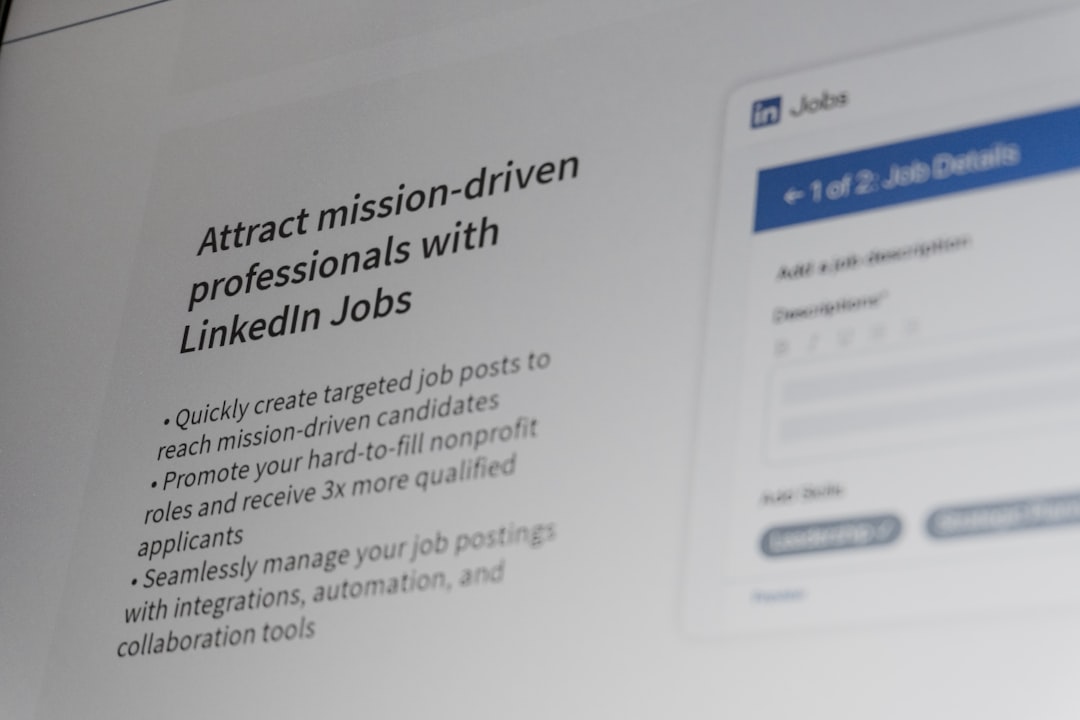
As artificial intelligence (AI) reshapes the job market, workers face unprecedented challenges and opportunities. The narrative of Mike Mulligan and His Steam Shovel offers valuable lessons for navigating these changes, emphasizing the importance of adaptation and resilience.

As artificial intelligence (AI) continues to reshape the job market, workers face unprecedented challenges and opportunities. The narrative of Mike Mulligan and His Steam Shovel offers valuable lessons for navigating these changes. This classic children’s story illustrates the importance of adaptation and resilience in the face of technological disruption.
The story revolves around Mike Mulligan, a steam shovel operator, and his trusty machine, Mary Anne. Their hard work lays the foundations for infrastructure during a time of mechanization and economic recovery. However, as technology advances, Mike and Mary Anne find themselves at risk of obsolescence. This mirrors today’s workforce, where AI threatens to replace many roles, prompting a need for reinvention and new skills.
According to a recent Pew Research survey, nearly half of Americans are concerned about AI’s impact on jobs. Major companies like Amazon and Microsoft have announced layoffs, attributing them to AI efficiencies. This situation raises questions about job security and the future of work. The narrative of Mike Mulligan serves as a reminder that change is not only inevitable but can also lead to new opportunities.
Reinventing Professional Identities
In the face of AI-driven disruption, workers must embrace the idea of reinventing their professional identities. Just as Mike Mulligan had to adapt to changing technology, today’s workforce must find ways to leverage AI as a partner rather than a competitor. This perspective shift is crucial for navigating the evolving job landscape.
Experts suggest that workers should focus on developing skills that complement AI technologies. According to the World Economic Forum, jobs will increasingly require a blend of technical and soft skills. This means that individuals should not only be proficient in new technologies but also excel in areas like creativity, emotional intelligence, and problem-solving.
Reinventing Professional Identities In the face of AI-driven disruption, workers must embrace the idea of reinventing their professional identities.
Moreover, organizations are beginning to recognize the need for reskilling their employees. Companies like PwC are investing in training programs to help workers adapt to new roles. This proactive approach fosters a culture of continuous learning and prepares employees for future challenges.
You may also like
 Business
Commission 2.0: How Evolving Pay Structures Reshape Sales Careers and Corporate Power
Hybrid, data‑driven commission structures are redefining sales careers by linking earnings to long‑term revenue quality, institutionalizing meritocratic advancement, and prompting regulatory scrutiny of algorithmic pay.
Read More →Adapting to Technological Changes
As the story of Mike Mulligan illustrates, adaptability is key. Workers who embrace change and actively seek new skills will be better positioned to thrive in an AI-driven economy. By viewing technology as a tool for enhancement rather than a threat, individuals can navigate the complexities of career pivots with confidence.
In addition to the need for reskilling, the current job market landscape is characterized by rapid technological advancements and shifting demands. AI is transforming industries, making certain roles obsolete while creating new opportunities. For instance, jobs in data analysis, AI programming, and digital marketing are on the rise, reflecting the need for specialized skills. Analysts suggest that roles requiring AI and machine learning expertise are expected to grow significantly in the coming years. This growth is not limited to tech companies; industries such as healthcare, finance, and manufacturing are also integrating AI into their operations. As a result, workers must adapt to these changes to remain competitive.
Navigating Challenges in the Job Market
This transition is not without challenges. Many workers, particularly those in traditional roles, may find it difficult to pivot to new career paths. The fear of job loss can lead to resistance against adopting new technologies. Yet, as the narrative of Mike Mulligan suggests, embracing change can lead to unexpected benefits. Workers who take the initiative to learn new skills can position themselves advantageously in the job market.

The debate surrounding AI’s impact on employment highlights a critical contradiction. While some experts argue that AI will create more jobs than it displaces, others caution that the transition may disproportionately affect low-skilled workers. This disparity raises important questions about equity and access to reskilling opportunities. The MIT Sloan Management Review emphasizes that organizations must address these inequalities to ensure that all workers have access to the training they need to thrive.
The MIT Sloan Management Review emphasizes that organizations must address these inequalities to ensure that all workers have access to the training they need to thrive.

Embracing Lifelong Learning
As AI continues to evolve, the demand for human oversight and creativity will remain essential. Workers who can harness their unique strengths and combine them with AI capabilities will thrive. This aligns with the lessons from Mike Mulligan, who, despite facing challenges, found a way to continue contributing meaningfully to his community.
You may also like
 Business Insights
Harnessing AI for the Agentic Organization: Future of Work
This article explores the integration of AI in organizations, the concept of agentic organizations, and the challenges and opportunities that lie ahead.
Read More →Ultimately, the ability to pivot and adapt will define success in the AI era. Workers should view their careers as dynamic journeys rather than static paths. By cultivating resilience and a proactive mindset, individuals can navigate the uncertainties of the job market with confidence.
Sources: MIT Sloan Management Review, Pew Research, World Economic Forum, BBC News.