No products in the cart.

Procter & Gamble’s AI Transformation: Insights from the Frontlines

Procter & Gamble is leveraging AI to transform its operations and enhance creativity. This deep dive explores the implications of AI on business strategy and employee engagement.

Procter & Gamble (P&G), a leader in consumer goods, is undergoing a significant transformation through the integration of artificial intelligence (AI). This shift represents a fundamental change in how the company operates, drives creativity, and engages its employees. As P&G embraces AI, it sets a precedent for how large corporations can adapt to the evolving technological landscape.
The company’s commitment to AI was highlighted in a recent discussion between Alfredo Colas, Senior Vice President of IT North America, and Wharton professor Christian Terwiesch. They explored how P&G uses AI to enhance operations, from product development to marketing strategies, shedding light on the broader implications of AI in the corporate world.
Enhancing Creativity and Efficiency with AI
P&G’s approach to AI is not just about automating tasks; it fosters an environment where creativity can flourish. By leveraging AI, the company has developed tools that enable employees to access vast amounts of consumer data and insights quickly. This democratization of knowledge allows employees at all levels to contribute to product development and marketing strategies.
Colas noted that the introduction of an AI-powered database led to a dramatic increase in information queries within the company. In just one month, the database received more queries than the central team had seen in the previous decade, indicating a strong desire among employees to utilize available knowledge.
Moreover, P&G emphasizes keeping human judgment at the forefront of decision-making. While AI can analyze data and generate ideas, the final decisions rest with human leaders, ensuring that creativity is guided by intuition and empathy. Colas emphasized that AI is a tool to enhance human capabilities, not a replacement for them.
Colas noted that the introduction of an AI-powered database led to a dramatic increase in information queries within the company.
Navigating Challenges in AI Adoption
Despite the promising benefits of AI, challenges remain. One significant concern is the potential for over-reliance on AI, which could stifle human creativity in the long run. Critics argue that while AI can enhance idea generation, it may also lead to a homogenization of thought if not carefully managed.
You may also like
 Real Estate
Sonoma County Sees Business Growth Amid Real Estate Shifts
Sonoma County is witnessing dynamic business movements that could reshape its economic landscape. Discover the implications for real estate and local entrepreneurs.
Read More →Furthermore, the ethical implications of AI usage in decision-making processes pose another layer of complexity. As Colas pointed out, accountability remains a human responsibility, but there is an ongoing debate about how much trust should be placed in AI-generated recommendations. Excessive reliance on AI could lead to a lack of accountability in business decisions.
Additionally, the rapid pace of technological change raises questions about workforce readiness. As companies adopt AI, there is a pressing need for training and reskilling employees to ensure effective collaboration with AI systems. Balancing technological advancement with workforce development is crucial.
Shaping the Future of Work
The integration of AI into corporate strategies is likely to reshape the future of work significantly. P&G’s experience serves as a blueprint for other companies aiming to harness AI’s potential while maintaining a human-centric approach. The emphasis on creativity, collaboration, and accountability will be crucial as businesses adapt to this new reality.
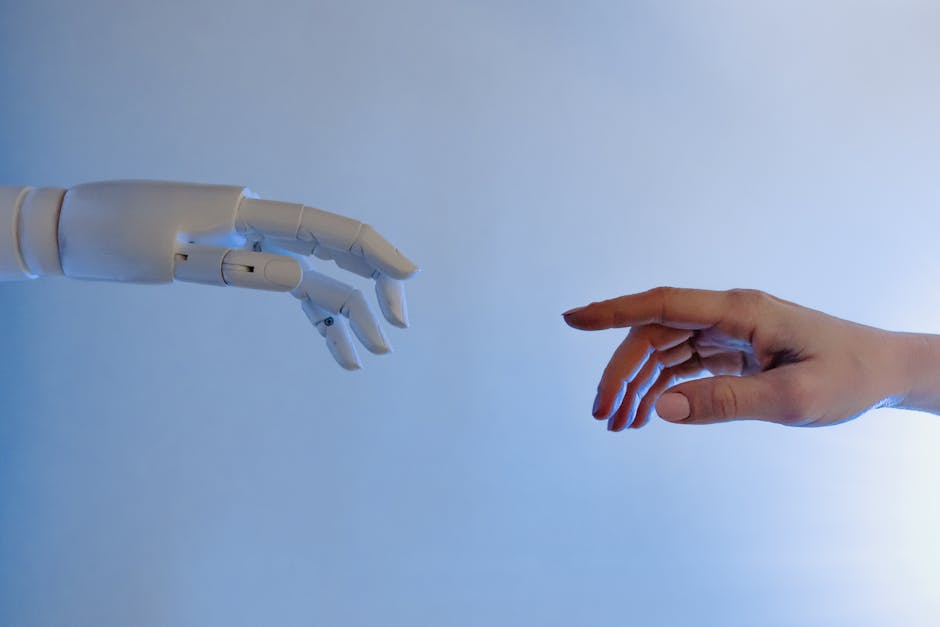
Colas’s insights suggest that the future of work will involve a more symbiotic relationship between humans and AI. As AI takes over routine tasks, employees will have more time to focus on creative problem-solving and strategic initiatives, leading to a more engaged and innovative workforce.
Balancing technological advancement with workforce development is crucial.

Moreover, the ongoing evolution of AI will likely drive the development of new business models and strategies. Companies that embrace AI as a means to enhance human capabilities will be better positioned to thrive in an increasingly competitive landscape.
You may also like
 Artificial Intelligence
Rethinking Education and Employment in the Age of AI
The rise of AI is reshaping the job market, emphasizing skills over traditional degrees. Discover the implications for future careers.
Read More →Lessons for Professionals in an AI-Driven Job Market
P&G’s journey into AI integration offers valuable lessons for the corporate world. The company’s focus on enhancing creativity, democratizing knowledge, and maintaining human oversight sets a strong precedent for others to follow. As AI continues to transform industries, the principles of collaboration, accountability, and innovation will remain essential for success.
For young professionals and job seekers, understanding the implications of AI in the workplace is vital. As companies increasingly adopt AI technologies, the demand for skills that complement AI will grow. Emphasizing creativity, problem-solving, and adaptability will be key to thriving in an AI-driven job market.