No products in the cart.

Navigating the Path to Becoming a Mental Health Nurse | Career Outlook
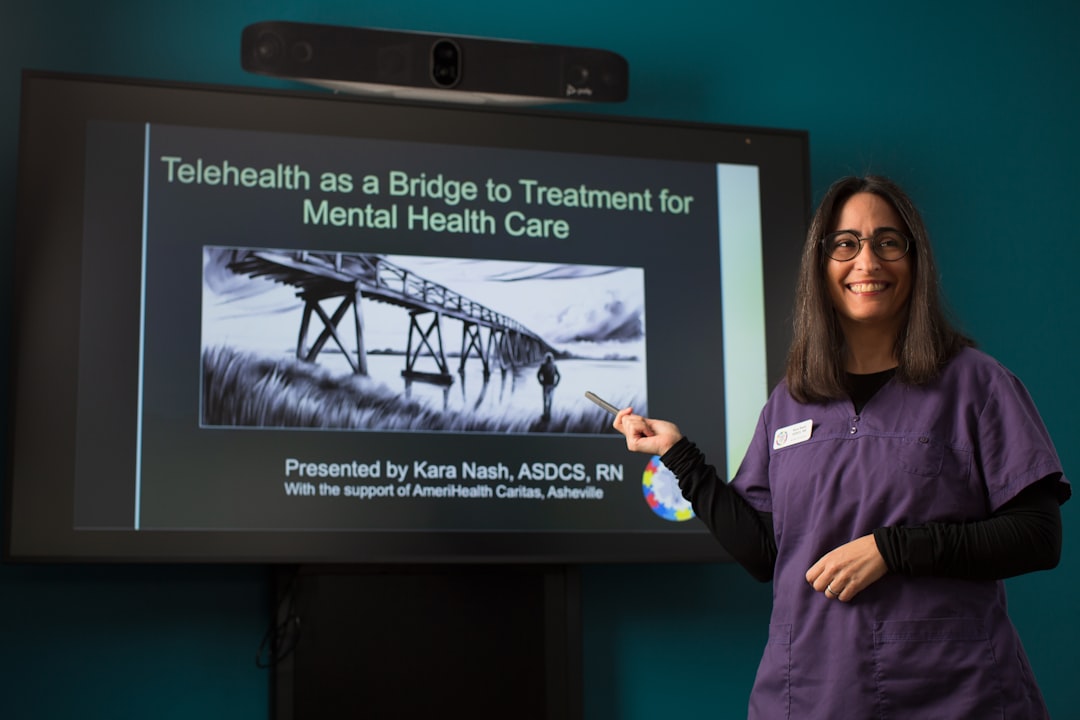
Explore the essential steps and insights for becoming a mental health nurse, including educational pathways, required skills, and diverse career opportunities in this rewarding field.

The demand for mental health nurses has surged in recent years, driven by increasing awareness of mental health issues and the need for skilled professionals in this vital field. Mental health nurses play a crucial role in supporting individuals facing psychological challenges, making their career path not only rewarding but essential. This article explores the journey of becoming a mental health nurse, detailing the necessary education, skills, and career opportunities.
Educational Pathways to Mental Health Nursing
To embark on a career in mental health nursing, aspiring professionals must first obtain a recognized nursing degree. A Bachelor of Nursing is essential, as it provides foundational knowledge in health sciences, patient care, and clinical nursing skills. Upon completing the degree, graduates must register with the relevant health authority to practice as registered nurses.
After earning a nursing degree, gaining clinical experience is crucial. Practical skills are developed through hands-on work in various healthcare settings. Many aspiring mental health nurses seek positions in mental health units or other relevant environments to immerse themselves in the field. This experience is vital for understanding the complexities of mental health care.
Once clinical experience is acquired, the next step is to specialize in mental health nursing. Graduate programs, such as those offered by Mercy Health and Alfred Health, provide intensive training and professional development opportunities. These programs often include rotations in acute and community mental health settings, allowing nurses to gain diverse experiences and skills.
Moreover, postgraduate qualifications, such as a Master of Mental Health Nursing, are increasingly important. This degree equips nurses with evidence-based skills necessary for effective practice. Courses cover topics such as trauma-informed care and recovery-oriented mental health, preparing nurses to meet the diverse needs of their patients.
Essential Skills for Mental Health Nurses To excel in mental health nursing, professionals must possess a unique set of skills.
Essential Skills for Mental Health Nurses
To excel in mental health nursing, professionals must possess a unique set of skills. Empathy and compassion are paramount, as mental health nurses often work with individuals facing significant emotional challenges. Building trust with patients is essential for effective communication and treatment.
You may also like
 Artificial Intelligence
Billionaire Nelson Peltz Plans: What It Means for Your Career
Billionaire Nelson Peltz's plan to transform Janus Henderson Group Plc with AI-driven strategies signals a shift towards data-driven decision-making in investment management, with implications for…
Read More →Problem-solving abilities are also crucial. Mental health nurses must create tailored treatment plans that address the specific needs of their patients. This requires adaptability and a keen understanding of diverse cultural and individual requirements. Ongoing education is vital for staying updated with the latest practices in mental health care, ensuring that nurses can provide the best possible support.
Furthermore, mental health nurses often collaborate with multidisciplinary teams. This teamwork enhances patient care and ensures comprehensive treatment approaches. Nurses must be skilled in coordinating with other healthcare professionals to deliver holistic outcomes for their patients.

Diverse Career Opportunities in Mental Health Nursing
Career opportunities in mental health nursing are diverse. Nurses can work in clinical roles, community outreach, research, or education. The increasing demand for mental health professionals, especially in rural areas, provides job security and progression opportunities. Mental health nurses can expect competitive salaries, with experienced professionals earning upwards of $130,000 in Australia.
In clinical settings, mental health nurses may work in hospitals, community health centers, or private practices. They may also engage in outreach programs, providing support to underserved populations. Additionally, there are opportunities in research and education, where nurses can contribute to advancements in mental health care and train the next generation of professionals.
Challenges and Future of Mental Health Nursing
The future of mental health nursing appears promising, with heightened awareness of mental health issues leading to an expected growth in the need for qualified professionals. Governments and healthcare organizations are increasingly investing in mental health services, recognizing the importance of addressing these challenges. However, mental health nurses often face high-stress environments and emotional demands. The stigma surrounding mental health can also impact patient care and access to services.
Nurses must be skilled in coordinating with other healthcare professionals to deliver holistic outcomes for their patients.
As the field evolves, addressing these challenges will be crucial for ensuring the well-being of both patients and healthcare providers. Mental health nurses must be equipped to handle the complexities of their roles while advocating for better mental health resources and support systems.

You may also like
 Career Development
Unlocking Your Voice: Mastering Communication for Career Growth
Effective communication is key to career success. Explore actionable strategies to improve your skills and accelerate your career growth.
Read More →In summary, becoming a mental health nurse involves a dedicated educational pathway, the development of essential skills, and a commitment to ongoing learning. The role offers numerous opportunities for career advancement and the chance to make a meaningful impact on individuals and communities. For those considering this path, the rewards are substantial, both personally and professionally.
As the demand for mental health services continues to rise, now is an excellent time to explore a career in mental health nursing. This profession not only provides job security but also allows individuals to contribute positively to society by supporting those in need.