No products in the cart.

Volkswagen to End E.V. Production at Tennessee and the New Career Landscape
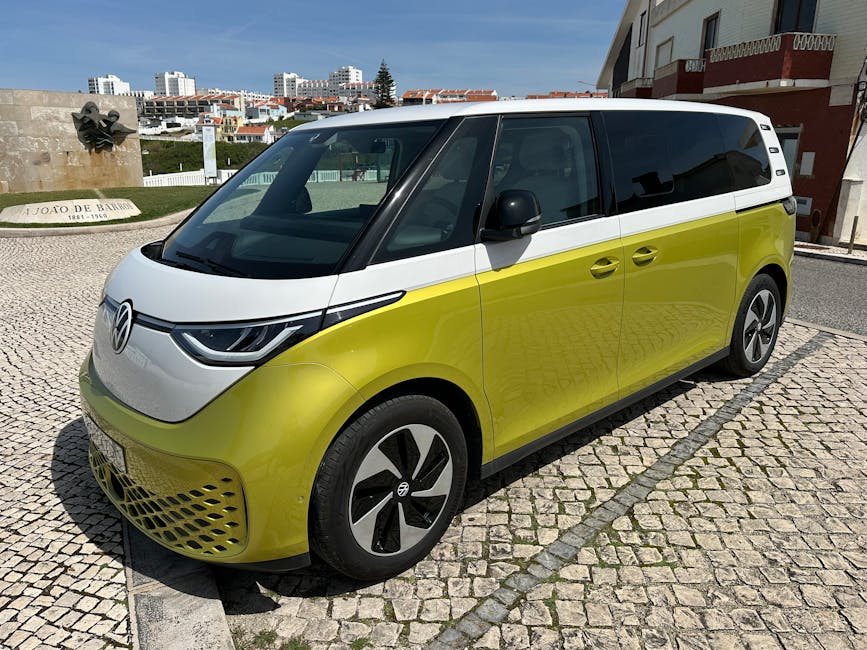
Tennessee, USA — Volkswagen has announced a significant shift in its production strategy by halting electric vehicle (E.V.) manufacturing at its Tennessee plant. This decision comes as the German automaker faces rising costs and increased competition in the electric vehicle market. The company will refocus its efforts on gasoline-powered models,…

Tennessee, USA — Volkswagen has announced a significant shift in its production strategy by halting electric vehicle (E.V.) manufacturing at its Tennessee plant. This decision comes as the German automaker faces rising costs and increased competition in the electric vehicle market. The company will refocus its efforts on gasoline-powered models, a move that reflects broader trends within the automotive industry.
The decision marks a pivotal moment for Volkswagen, which had previously committed to expanding its electric vehicle lineup. The company had invested heavily in its Tennessee facility to produce the ID.4 electric SUV, aiming to capture a larger share of the growing E.V. market. However, the rising costs of materials and challenges in supply chains have forced Volkswagen to rethink its strategy.
According to a recent report from The New York Times, the company plans to shift production resources to more profitable gasoline models. This change aligns with trends observed in the industry, where several manufacturers are also reconsidering their commitments to electric vehicles due to fluctuating market conditions.
Rising Costs and Market Pressures
Volkswagen’s decision to end E.V. production in Tennessee reflects a broader trend in the automotive industry. Many manufacturers are grappling with the high costs associated with electric vehicle production, including battery prices and supply chain disruptions. As a result, several companies are pivoting back to gasoline models, which offer more immediate profitability. The BBC reported that soaring pump prices have driven U.S. inflation to its highest level in almost two years, further complicating the financial landscape for automakers.
In the wake of this announcement, other automakers may follow suit, adjusting their production strategies to mitigate financial risks. For instance, Ford and General Motors have also faced challenges in their electric vehicle segments and might consider similar shifts to ensure their bottom lines remain stable.
Rising Costs and Market Pressures Volkswagen’s decision to end E.V.
Volkswagen’s decision comes at a time when consumer sentiment is also shifting. Rising inflation and concerns about the economy have led many buyers to prioritize affordability over sustainability. As a result, gasoline models may become more appealing to a broader audience, further driving this shift in production focus.
You may also like
 Business
Mastering Communication for Career Advancement
Effective communication is crucial for career advancement. This article explores strategies that go beyond resumes to drive professional success.
Read More →Geopolitical Factors and Supply Chain Challenges
Additionally, the ongoing geopolitical tensions, particularly the war in Ukraine, have exacerbated supply chain issues, making it difficult for manufacturers to secure the necessary components for electric vehicles. This environment of uncertainty has prompted many companies, including Volkswagen, to reassess their long-term commitments to electric vehicle production. The Bloomberg report highlights that consumer sentiment has recently dropped, indicating growing concerns about inflation and the economy, which may affect purchasing decisions.
The implications of Volkswagen’s decision extend beyond its own operations. As one of the largest automakers in the world, its shift in focus could influence market trends and consumer preferences. If Volkswagen successfully increases production of gasoline models, it may encourage other manufacturers to follow suit, potentially slowing the momentum of the electric vehicle market.
Moreover, consumer response to this shift will be critical. If buyers continue to express a preference for gasoline vehicles, it could signal a significant change in the automotive landscape. As the automotive industry navigates these changes, it will be essential for companies to adapt quickly to shifting consumer preferences. Manufacturers that can balance profitability with innovation will likely emerge as leaders in the evolving market.
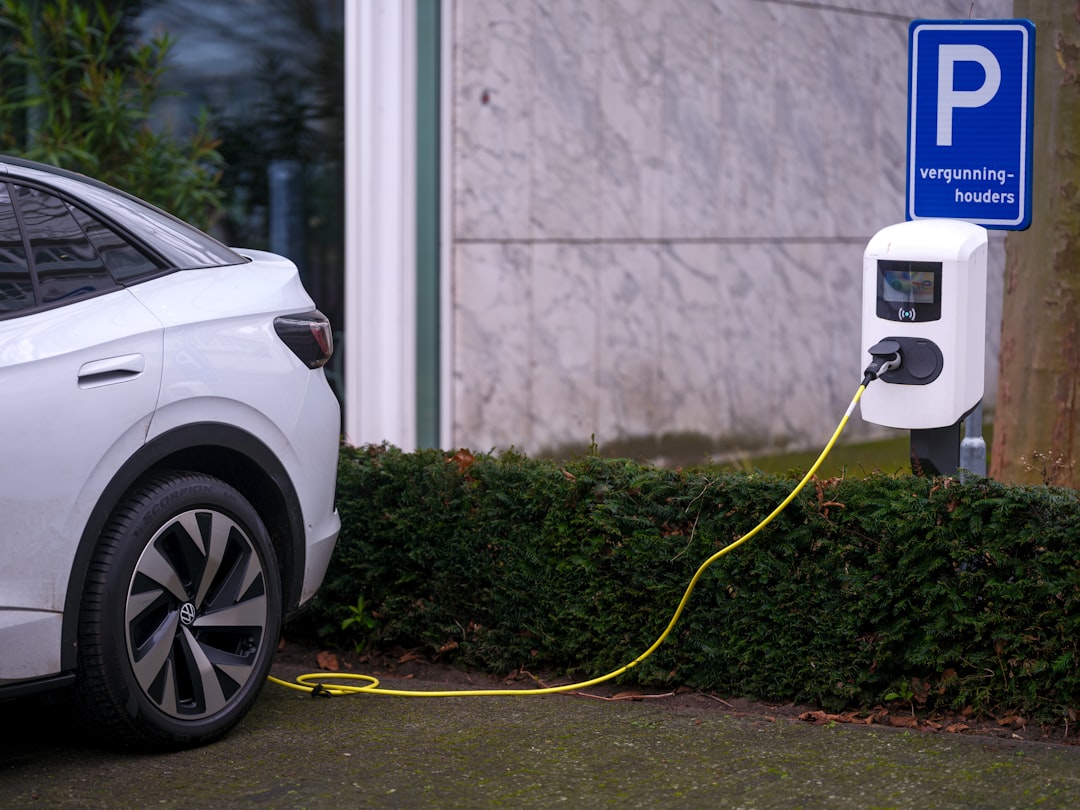
Volkswagen’s pivot may also affect its reputation among environmentally conscious consumers. The company’s previous commitments to electric vehicles were seen as a step toward sustainability, and this recent shift may raise questions about its long-term vision for a greener future.
If Volkswagen successfully increases production of gasoline models, it may encourage other manufacturers to follow suit, potentially slowing the momentum of the electric vehicle market.
Impacts on Employment and Future Trends
This decision by Volkswagen matters to young professionals and job seekers in the automotive and tech sectors. As the industry shifts focus, it could impact job opportunities in electric vehicle production and related fields. Those pursuing careers in sustainable technology may need to adapt to changing market demands.
The evolving landscape also highlights the importance of being adaptable in one’s career. As companies like Volkswagen navigate financial pressures and consumer sentiment, the skills needed in the workforce may shift. Job seekers may find new opportunities in traditional automotive roles as companies invest more in gasoline models.
You may also like
 Business Insights
Why Verified Voices Will Drive Ecommerce Growth
Ecommerce is evolving. As verified voices take center stage, brands must adapt their strategies to leverage customer trust over ad spend.
Read More →Ultimately, the fate of electric vehicles remains uncertain. The industry’s response to rising costs and consumer preferences will shape the future of transportation and the job market in the coming years. Professionals must stay informed and agile to thrive in this changing environment.
As Volkswagen shifts its focus back to gasoline, the question remains: will this trend continue, or will the electric vehicle market regain its momentum as technology and consumer preferences evolve?