No products in the cart.

Bhutan Resumes Work on Punatsangchhu-I Hydropower Project
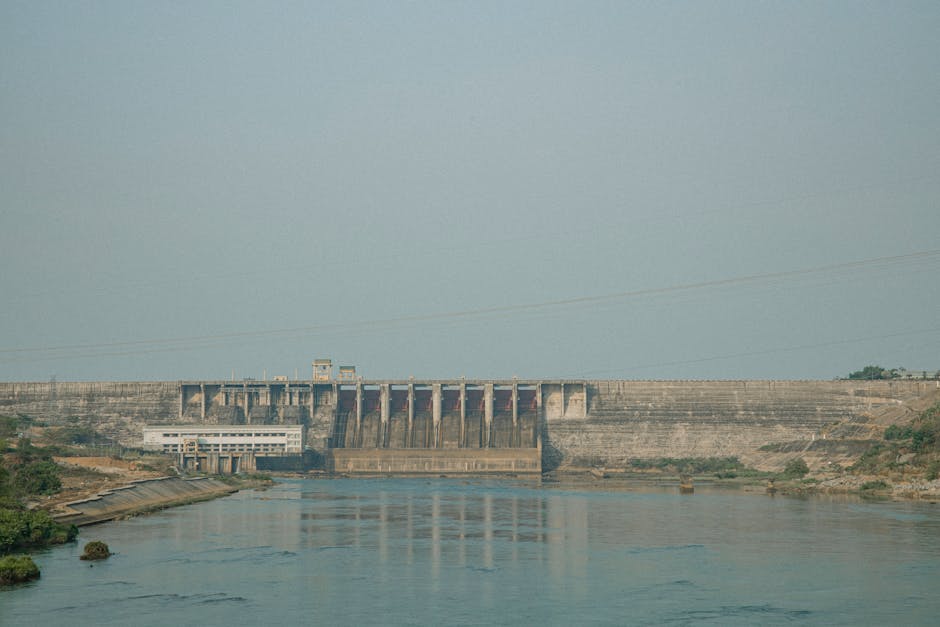
The Punatsangchhu-I hydropower project in Bhutan has resumed construction after a seven-year hiatus, marking a significant development in the region's energy landscape.

Thimphu, Bhutan — After a seven-year suspension, work has resumed on the Punatsangchhu-I hydropower project. This project, with an installed capacity of 1,200 megawatts, is poised to significantly enhance Bhutan’s energy generation capabilities. The restart of construction was marked by a concrete pouring ceremony attended by India’s Power Minister Manohar Lal Khattar, symbolizing renewed bilateral cooperation between India and Bhutan.
The Punatsangchhu-I project is expected to increase Bhutan’s hydropower capacity by approximately 30%, bringing total capacity to nearly 4,700 megawatts. This increase is critical as Bhutan relies heavily on hydropower for its energy needs and economic growth. The project is anticipated to generate around 5,670 million units of electricity annually, contributing to both domestic consumption and export opportunities.
Resuming this project is not just a matter of energy production; it represents a significant step in strengthening the ties between Bhutan and India. The two nations have a long-standing partnership in the energy sector, with India being a major investor in Bhutan’s hydropower projects. This collaboration is crucial for Bhutan’s economic development, as it provides a reliable source of revenue through energy exports.
Geological Challenges and Project Resumption
The Punatsangchhu-I project faced numerous challenges that led to its suspension in 2019. Geological issues, particularly related to the site’s rock formations, complicated construction efforts. These obstacles delayed the project timeline significantly, raising concerns about its viability and financial implications. According to The Hindu, the project was initially expected to be completed in 2019, but the geological complications necessitated a comprehensive reassessment of the construction plans.
During the halt, stakeholders, including the Bhutanese government and Indian investors, worked on solutions to address these geological challenges. Extensive studies were conducted to ensure that the project could proceed without further complications. The resumption of work indicates that these challenges have been addressed satisfactorily, allowing for a more stable construction environment.
During the halt, stakeholders, including the Bhutanese government and Indian investors, worked on solutions to address these geological challenges.
Despite the setbacks, the project has remained a priority for both governments. The Bhutanese government views it as a vital component for achieving energy self-sufficiency and economic stability. The Indian government, on the other hand, sees it as a strategic investment that will enhance regional energy security and cooperation.
You may also like
 Artificial Intelligence
Reimagining Healthcare in a Post-Pandemic World
The pandemic reshaped healthcare, accelerating telemedicine and AI diagnostics while highlighting the need for global health equity.
Read More →Implications for Regional Energy Cooperation
The revival of the Punatsangchhu-I project carries significant implications for energy cooperation in South Asia. Bhutan has been a key player in the region’s hydropower landscape, and the successful completion of this project could set a precedent for future collaborations. The project is expected to strengthen Bhutan’s position as a major energy supplier in the region, particularly to India, which is seeking to diversify its energy sources amid rising domestic demand.
As reported by BBC, the project aligns with India’s broader energy strategy, which focuses on renewable energy development. As India aims to reduce its carbon footprint and increase its reliance on clean energy, Bhutan’s hydropower resources become increasingly valuable. This partnership not only benefits Bhutan economically but also helps India in achieving its renewable energy targets.
Furthermore, the Punatsangchhu-I project could encourage other countries in the region to explore similar collaborations. The success of this project may inspire Nepal and Bangladesh to pursue their own hydropower initiatives with Indian investment. Such developments could lead to a more integrated energy market in South Asia, enhancing energy security and stability across borders.
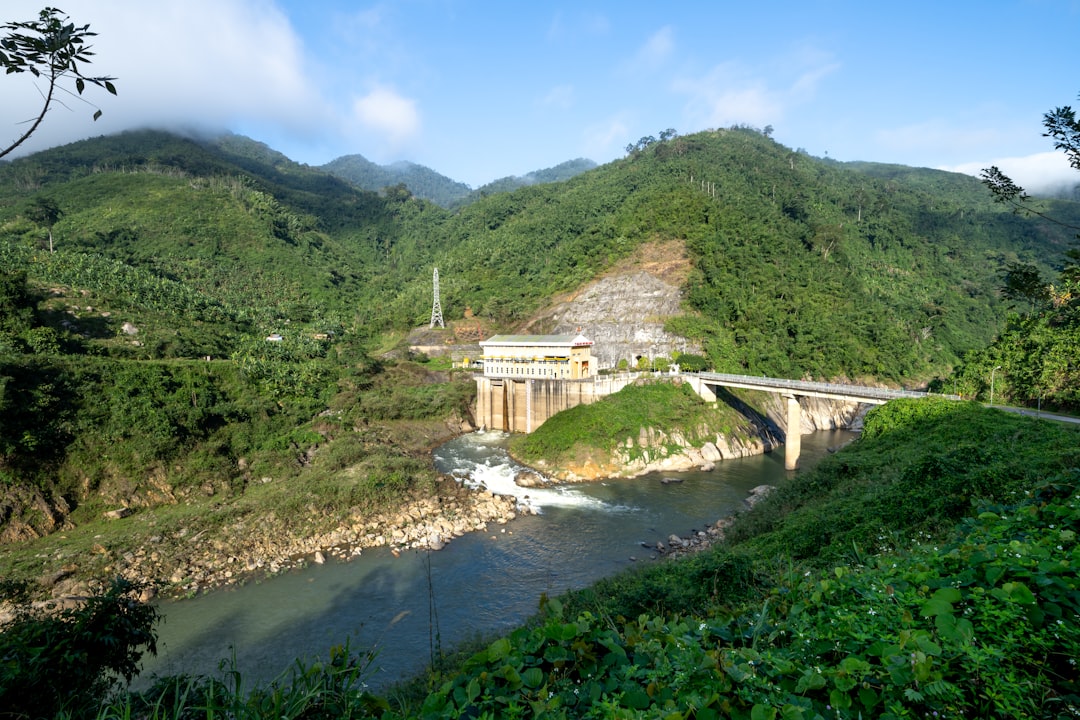
The resumption of this project also highlights the importance of addressing environmental and social concerns associated with large-scale hydropower projects. Stakeholders must ensure that the development is sustainable and benefits local communities, which is essential for long-term success. As Bhutan moves forward with the Punatsangchhu-I project, the focus will also be on managing the social and environmental impacts to ensure that the benefits are equitably distributed. This approach will be vital for maintaining public support and fostering a positive relationship between the government and its citizens.
Stakeholders must ensure that the development is sustainable and benefits local communities, which is essential for long-term success.
Future Prospects for Bhutan’s Energy Sector
The Punatsangchhu-I hydropower project’s revival is not just a significant milestone for Bhutan; it represents a broader narrative of regional cooperation and sustainable development. With the world increasingly focused on renewable energy, Bhutan’s hydropower potential stands out as a beacon of hope for energy security in South Asia.
You may also like
 Business Innovation
AI‑Powered Data Analytics Redefine the Structural Foundations of Personalized Medicine
AI-powered analytics are redefining pharmaceutical value creation by turning data into predictive assets, prompting a systemic shift from traditional drug discovery to continuous, model‑validated therapeutic…
Read More →This development matters because it could reshape the energy landscape in the region, offering new opportunities for collaboration and growth. The success of the Punatsangchhu-I project could lead to more investments in renewable energy projects, benefiting not only Bhutan but also neighboring countries.
Ultimately, the success of the Punatsangchhu-I project will depend on effective project management and ongoing collaboration between Bhutan and India. This project could pave the way for further energy initiatives in the region, fostering a more stable and secure energy future for South Asia.