No products in the cart.

Wisconsin Universities Board Ousts President Over AI Disputes

The Wisconsin Universities Board's dismissal of President Jay Rothman highlights escalating tensions over AI policies and leadership in higher education, signaling a shift in institutional priorities.

Madison, Wisconsin — The Board of Regents for the University of Wisconsin system has dismissed President Jay Rothman amid growing tensions surrounding artificial intelligence (AI) and leadership issues within the institution. The board’s unanimous decision, made in a closed-door meeting, has sparked significant debate about the direction of higher education in the state.
Rothman, who oversaw a system that serves approximately 165,000 students, expressed shock at his ousting, claiming he was blindsided by the board’s decision. This unexpected dismissal raises questions not only about Rothman’s leadership but also about the board’s commitment to addressing pressing issues, particularly in the rapidly evolving landscape of AI.
Regent President Amy Bogost emphasized that the decision to fire Rothman was not taken lightly, citing substantial reasons for the dismissal, including Rothman’s perceived lack of urgency in tackling critical issues like AI integration and his attempts to limit public discourse on board matters. The board’s actions underscore a significant shift in governance and accountability within the university system.
Concerns Over Leadership and AI Integration
The board’s concerns about Rothman’s leadership style were articulated during a state Senate committee hearing, where regents testified about the necessity for a more proactive approach to AI and other educational challenges. Regent Timothy Nixon highlighted that Rothman’s reluctance to engage with lawmakers and faculty on these pressing matters contributed to the board’s decision. Nixon stated, “He didn’t want to upset the apple cart, and quite frankly, I think the apple cart needs some upsetting.”
This sentiment reflects a broader trend in higher education, where institutions are grappling with the implications of AI technologies on teaching, learning, and administration.
This sentiment reflects a broader trend in higher education, where institutions are grappling with the implications of AI technologies on teaching, learning, and administration. As universities increasingly incorporate AI into their operations, the need for strong leadership that can navigate this complex landscape becomes paramount. The dismissal of Rothman signals a potential shift towards more dynamic and responsive leadership models in the university system.
You may also like
 Career Development
Integrating Personal Interests with Professional Skills for Career Growth
Exploring the integration of personal interests with professional skills can unlock new career opportunities and drive personal fulfillment.
Read More →Implications for Governance and Accountability
The implications of Rothman’s firing extend beyond immediate leadership concerns. The board’s actions may signal a new era in which university leaders are held accountable for their responsiveness to technological advancements and their impact on education. This shift could influence hiring practices and the attributes sought in future university presidents, emphasizing adaptability and foresight in the face of rapid technological change.
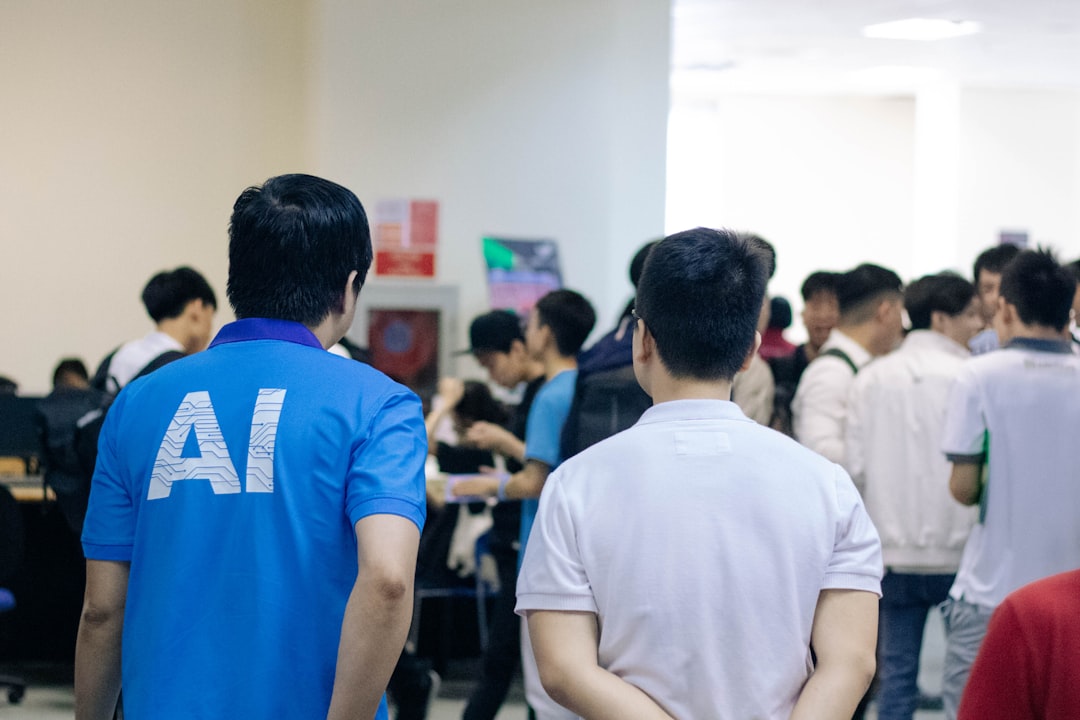
Moreover, the ongoing discussions around AI in education are not limited to Wisconsin. Across the United States, universities are debating how to integrate AI responsibly while maintaining academic integrity and fostering innovation. The pressure to respond effectively to these challenges may lead to more frequent leadership changes as boards seek individuals who can align with their strategic vision.
Impact on Students and Educational Practices
The firing of President Rothman is not just a leadership issue; it directly impacts students, educators, and the future of higher education in Wisconsin. As the board seeks new leadership, the direction taken will shape the university system’s approach to integrating AI and other technologies. For students, this could mean changes in curriculum, teaching methods, and overall educational experiences.
Furthermore, the ongoing debates about AI’s role in education resonate with students and educators alike. As universities grapple with these challenges, there is a growing expectation for institutions to prepare students for a future where AI is ubiquitous. This includes not only technical skills but also critical thinking and ethical reasoning skills that will be essential in navigating an AI-driven world.
Impact on Students and Educational Practices The firing of President Rothman is not just a leadership issue; it directly impacts students, educators, and the future of higher education in Wisconsin.

As the situation unfolds, students and educators will be watching closely to see how the board’s decision influences the future trajectory of the university system. The emphasis on accountability and responsiveness to technological change could lead to a more engaged and informed student body, advocating for their needs and interests in a rapidly evolving educational landscape.
Broader Trends in Higher Education Leadership
You may also like
 Business Insights
Waymo’s Remote Driver Controversy: What It Means for Autonomous Driving
Waymo's Senate testimony has sparked controversy over its use of remote drivers. This article explores the implications for autonomous driving and the industry.
Read More →The implications of this leadership change extend beyond Wisconsin, as other states and institutions observe the outcomes of the board’s decision. Will other university systems follow suit, reevaluating their leadership models in light of the pressing challenges posed by AI and technology? The answer to this question may shape the future of higher education governance in the years to come.