No products in the cart.

Charting the Global Economy and the New Career Landscape
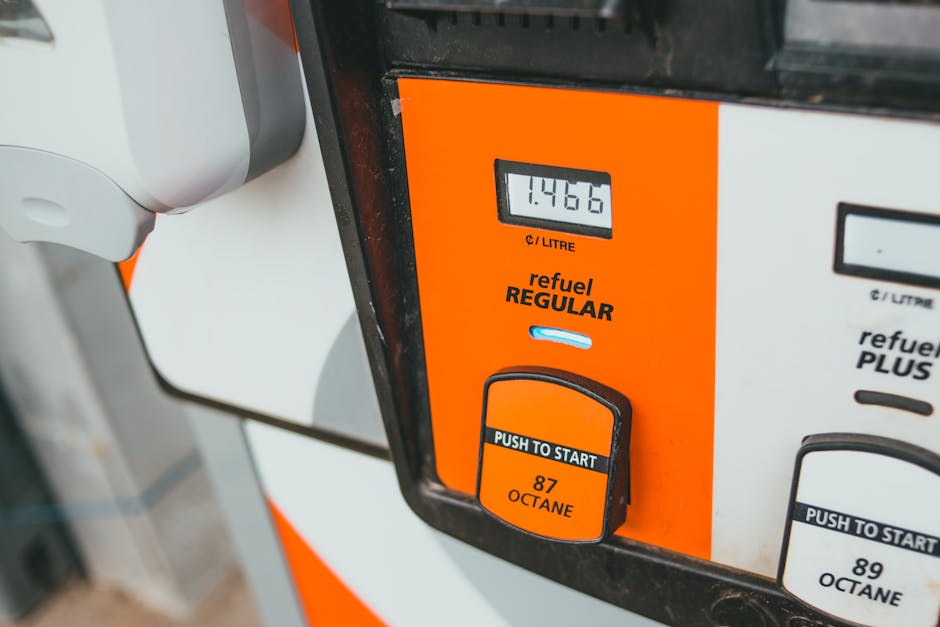
The ongoing conflict in Iran is causing surging fuel costs that are driving inflation and eroding consumer confidence globally. As the situation escalates, economies are facing rising prices for essential goods and services, leading to significant shifts in consumer behavior and industry dynamics.

The ongoing conflict in Iran is causing surging fuel costs that are driving inflation and eroding consumer confidence globally. As the situation escalates, economies are facing rising prices for essential goods and services, leading to significant shifts in consumer behavior and industry dynamics.
According to recent reports from Bloomberg, the Iranian conflict has led to a significant spike in oil prices, with Brent crude reaching levels not seen in years. This sharp increase is primarily due to fears of supply disruptions in the Strait of Hormuz, a critical shipping lane for oil. The EU airline industry has already warned of potential fuel shortages if the conflict continues to escalate, which could further exacerbate the already strained economic conditions.
Global Economic Shockwaves from Rising Oil Prices
The ongoing conflict has sent shockwaves through the global economy, affecting not just oil prices but also various sectors reliant on stable fuel costs. Industries such as transportation and logistics are particularly vulnerable, as rising fuel prices directly impact their operational costs. For example, the EU airline industry is already facing warnings about fuel shortages, which could lead to higher ticket prices and reduced travel options for consumers.
As noted by BBC, soaring pump prices have driven US inflation to its highest level in almost two years. This trend is reflective of a broader global issue, where increasing fuel costs are translating into higher prices for goods and services. The construction and manufacturing sectors are also feeling the heat from rising fuel costs. Increased transportation expenses can lead to higher prices for raw materials, which can stifle production and delay projects.
Global Economic Shockwaves from Rising Oil Prices The ongoing conflict has sent shockwaves through the global economy, affecting not just oil prices but also various sectors reliant on stable fuel costs.
Consumer Sentiment and Spending Behavior
The decline in consumer sentiment is alarming, as it reflects a growing sense of unease among individuals regarding their financial situations. Many consumers are cutting back on discretionary spending as inflation erodes their purchasing power. Recent surveys indicate that consumer confidence has dropped to its lowest level in nearly two years, with many individuals expressing concerns about job security and rising living costs.
You may also like
 Business
BYD Surpasses Tesla as the Leading Electric Vehicle Seller
BYD has surpassed Tesla as the world's leading electric vehicle seller, marking a significant shift in the automotive landscape. This article explores the implications for…
Read More →As reported by Bloomberg, the global oil market is experiencing a panicked race for barrels, further exacerbating the supply concerns. This situation demands urgent attention from leaders worldwide. The interconnected nature of modern economies means that disruptions in one region can have cascading effects elsewhere, making it essential for countries to work collaboratively to mitigate the impact of rising fuel prices.
Sector-Specific Impacts of Inflation
Different sectors are responding uniquely to the inflationary pressures caused by rising fuel costs. The transportation sector, particularly airlines and shipping companies, is facing immediate challenges. Higher fuel prices are leading to increased operational costs, which are often passed on to consumers in the form of higher fares and shipping fees.
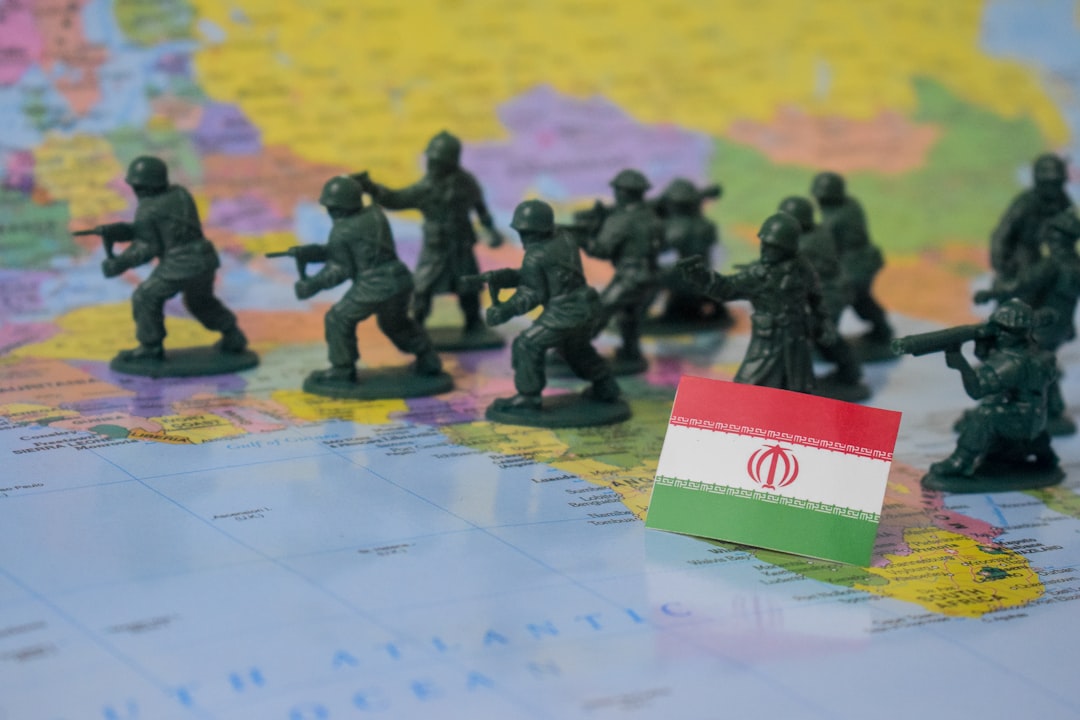
Retailers are also feeling the pinch, as they grapple with increased costs for transporting goods. Many are forced to raise prices, which can lead to decreased sales as consumers become more price-sensitive. The construction industry is similarly affected, with rising fuel costs contributing to higher prices for materials and labor, potentially delaying projects and reducing overall economic growth.

Policy Responses and Future Considerations
In light of these challenges, policymakers are faced with difficult decisions. Central banks may need to consider adjusting interest rates to combat inflation, while governments might explore measures to stabilize fuel prices and support affected industries. The situation calls for a coordinated response to ensure that the economic fallout from the conflict does not lead to a prolonged recession.
The construction industry is similarly affected, with rising fuel costs contributing to higher prices for materials and labor, potentially delaying projects and reducing overall economic growth.
As the global economy continues to navigate these turbulent waters, the importance of international cooperation cannot be overstated. Countries must work together to address the root causes of supply disruptions and inflation, ensuring a more stable economic environment for consumers and businesses alike.
You may also like
 Agriculture
Farming Under Pressure: Generational Struggles on Family Farms
Family farms face unprecedented challenges as costs soar and prices plummet. Generational farmers worry about their legacy and the future of agriculture.
Read More →Sources: BBC, Bloomberg.