No products in the cart.

Swiss Bank UBP Buying Gold Again, Forecasting and the New Career Landscape
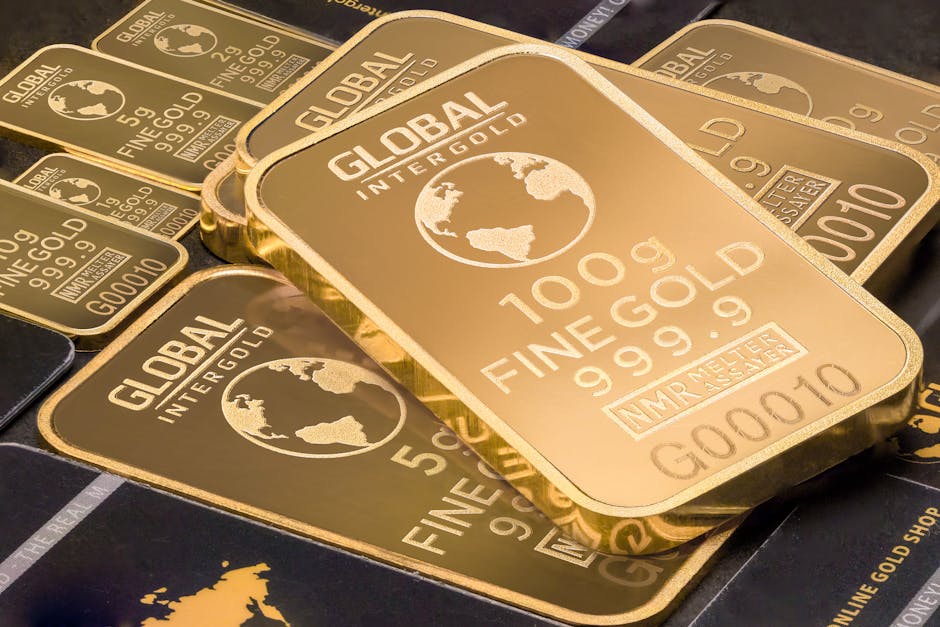
Swiss Bank UBP is making headlines by re-entering the gold market, forecasting a price of $6,000 per ounce by the end of 2026. This bold move comes after a significant reduction in their gold holdings last year, prompted by economic uncertainties stemming from geopolitical tensions, particularly the ongoing conflict in…

Swiss Bank UBP is making headlines by re-entering the gold market, forecasting a price of $6,000 per ounce by the end of 2026. This bold move comes after a significant reduction in their gold holdings last year, prompted by economic uncertainties stemming from geopolitical tensions, particularly the ongoing conflict in the Middle East.
UBP’s renewed interest in gold indicates a strategic pivot towards safe-haven assets. The bank’s analysts believe that despite the recent downturn in gold prices, the long-term outlook for the precious metal remains strong. This perspective aligns with broader market trends as investors seek stability amid fluctuating economic conditions.
The decision to buy gold again reflects UBP’s confidence in the metal’s ability to serve as a hedge against inflation and currency devaluation. As global markets face volatility, gold’s historical role as a safe haven becomes increasingly relevant. Investors are closely watching UBP’s moves, as they could signal a shift in market sentiment towards precious metals.
Market Dynamics and Geopolitical Influences
UBP’s gold purchase comes at a time when the global economy is grappling with heightened geopolitical risks. The conflict in the Middle East has led to increased oil prices, which in turn affects inflation rates worldwide. According to the International Monetary Fund, inflation is expected to remain elevated through 2026, prompting investors to look for assets that can preserve value. The IMF chief recently stated that global prices will take time to stabilize following the war, indicating a prolonged period of economic uncertainty that could further drive gold demand.
Additionally, the recent comments from the Bank of Korea’s governor nominee, Shin Hyun Song, highlight a cautious approach to monetary policy. He indicated that the policy rate is nearing a neutral level, suggesting that central banks may not be inclined to raise rates significantly in the near future. This environment creates a fertile ground for gold investment, as lower interest rates typically boost the appeal of non-yielding assets like gold.
You may also like
 Social Media
The Power of Storytelling in Persuasion
Storytelling is a powerful tool in persuasion, often surpassing data in influencing decisions. Discover why emotions matter.
Read More →He indicated that the policy rate is nearing a neutral level, suggesting that central banks may not be inclined to raise rates significantly in the near future.
UBP’s forecast of $6,000 per ounce is ambitious, but it is not without precedent. Historical data shows that gold prices often surge during periods of economic instability. For instance, during the 2008 financial crisis, gold prices reached record highs as investors fled to safety. The current geopolitical landscape, coupled with inflationary pressures, could similarly drive demand for gold. Furthermore, the ongoing discussions in the UK about potentially adopting EU single market rules could further complicate economic forecasts. As the UK navigates its post-Brexit landscape, uncertainties surrounding trade and regulatory frameworks may impact investor confidence, making gold an attractive option for risk-averse investors.
Implications for Investors and the Broader Economy
The implications of UBP’s gold investment extend beyond the bank itself. For individual investors, this move could serve as a signal to diversify their portfolios. As financial markets continue to show signs of volatility, the allure of gold as a protective asset grows stronger. Investors may find themselves increasingly drawn to gold ETFs and bullion as safe harbors.
Furthermore, UBP’s actions may influence other financial institutions to reconsider their positions on gold. If more banks follow suit, we could see a substantial increase in gold purchases, which would likely drive prices higher. This trend could create a self-reinforcing cycle where rising prices attract even more investment. As noted in a recent Bloomberg article, UBP’s strategic buying signals a belief that gold will not only retain its value but also appreciate significantly.
On a macroeconomic level, a surge in gold prices could have ripple effects throughout the economy. Higher gold prices can lead to increased production costs for industries reliant on gold, potentially impacting consumer prices. Additionally, as gold becomes more expensive, central banks may adjust their reserves, leading to shifts in monetary policy that could affect interest rates and inflation. Critics of UBP’s optimistic forecast point to potential overvaluation risks. If gold prices rise too quickly, it could lead to a market correction. Investors must remain vigilant and consider the broader economic indicators that could influence gold’s trajectory.
You may also like
 Business
GitHub’s Ranking Revamp Triggers Backlash From Open‑Source Builders
GitHub’s recent algorithm tweak has cut visibility for many open‑source projects, sparking a demand for transparency that could reshape the platform’s dominance.
Read More →As the global economy continues to navigate uncertainty, UBP’s decision to invest in gold stands as a bold statement about the future of investment. The bank’s confidence could inspire a wave of similar actions across the financial sector, reshaping the landscape for investors. The ongoing conflict in the Middle East, rising inflation, and shifting monetary policies are all factors that could contribute to a renewed interest in gold as a safe haven.
As the global economy continues to navigate uncertainty, UBP’s decision to invest in gold stands as a bold statement about the future of investment.
Why This Matters to You
For young professionals and investors, UBP’s gold strategy highlights the importance of understanding market trends. As inflation rises and geopolitical tensions persist, the decisions made by major financial institutions can impact individual investment strategies. Staying informed about these developments can help you make better financial choices.
The renewed focus on gold by UBP is a reminder that traditional assets can still play a critical role in wealth preservation. As the economic landscape evolves, being adaptable and aware of safe-haven investments will be crucial for long-term financial health. In light of UBP’s forecast, the question remains: will gold prices reach $6,000 by year-end? As the market reacts to ongoing geopolitical events and economic indicators, the trajectory of gold will be closely monitored by investors worldwide.

Moving forward, the interaction between gold prices and global economic conditions will be pivotal. How will central banks respond to rising inflation, and what role will gold play in their strategies? These questions will shape the investment landscape in the coming months.