No products in the cart.

Microbiome‑Driven Wellness: How Employers Are Reconfiguring the Health Capital of Their Workforce
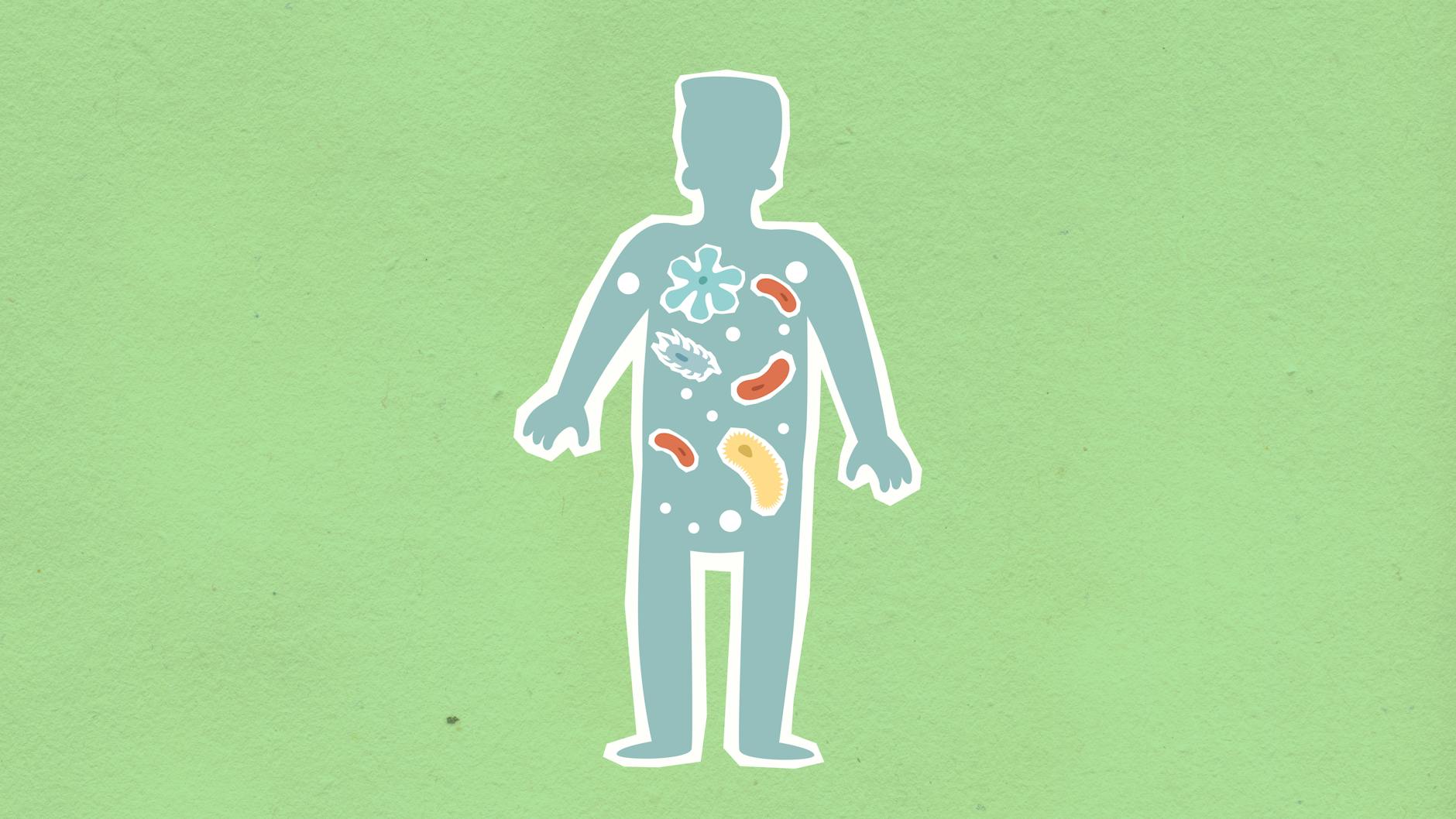
Corporate wellness is undergoing a systemic transformation as firms treat gut‑microbial balance as a measurable component of human capital, linking microbiome diversity to productivity gains, cost reductions, and new career pathways.

Employers are integrating gut‑health science into corporate wellness, turning microbial balance into a measurable asset for productivity, talent retention, and cost containment.
Macro Context
The last decade has seen a structural shift from symptom‑focused health programs to ecosystem‑level interventions that address the human microbiome. A 2025 Becker’s survey found that 75 % of Fortune 500 firms now embed microbiome‑related components—probiotic meals, fermented‑food kiosks, or microbiome‑screening benefits—within their wellness portfolios [1]. Simultaneously, public interest metrics underscore the trend’s momentum: real‑time analytics from the U.S. government’s health‑services portal recorded over 11,000 concurrent users querying microbiome‑related datasets, a 42 % increase from the previous quarter [2]. Academic institutions are responding in kind; Toronto Metropolitan University’s Health Equity and Community Wellbeing Center convened a cross‑disciplinary symposium on “Microbial Ecology and Workplace Equity” earlier this year, positioning microbiome health as a lever for broader social determinants of health [4].
These signals reflect an emerging consensus that the microbiome is not a peripheral health curiosity but a core component of the institutional power matrix that shapes employee performance, corporate liability, and long‑term economic mobility.
Core Mechanism

Biological Foundations
The human gut hosts roughly 10¹⁴ microbial cells, whose collective genome outnumbers human genes by an order of magnitude. Dysbiosis—an imbalance of commensal versus pathogenic taxa—correlates with metabolic syndrome, inflammatory bowel disease, and, crucially for employers, neuropsychiatric outcomes such as anxiety and burnout [1]. Meta‑analyses published in Nature Medicine (2024) estimate that each 10 % increase in microbial diversity associates with a 0.12‑point rise in validated cognitive performance scores.
Workplace Environmental Vectors
Corporate campuses influence microbial exposure through three primary vectors:
Workplace Environmental Vectors Corporate campuses influence microbial exposure through three primary vectors:
- Air Quality – HVAC systems that recycle filtered outdoor air can reduce aerosolized opportunistic microbes, while humidifiers calibrated to maintain 40‑60 % relative humidity suppress fungal overgrowth.
- Water Systems – Legionella‑free potable water and filtered coffee stations lower exposure to endotoxins that trigger systemic inflammation.
- Nutritional Architecture – On‑site cafeterias that prioritize fiber‑rich, fermented, and low‑glycemic options shift the gut ecosystem toward short‑chain‑fatty‑acid producers, directly modulating the gut‑brain axis.
You may also like
 Career Advice
Language Standardization’s Hidden Toll: How Institutional Policies Reshape Career Capital in Multilingual Communities
Institutional language policies reconfigure the distribution of career capital by elevating dominant languages, thereby narrowing economic mobility and leadership prospects for minority speakers.
Read More →Employers that operationalize these levers report average reductions of 8 % in absenteeism and 5 % gains in self‑reported energy levels, according to an internal Deloitte study of 12 multinational firms (2025) [3].
Intervention Blueprint
A scalable, data‑driven protocol includes:
- Baseline Microbiome Profiling – Partnering with CLIA‑certified labs to generate metagenomic reports for voluntary participants.
- Targeted Nutritional Subsidies – Vouchers for probiotic‑rich yogurts, kimchi, and prebiotic fiber blends, tracked via corporate expense platforms.
- Environmental Audits – Quarterly assessments of indoor air particulate counts (PM2.5) and water biofilm presence, integrated into facilities‑management KPIs.
- Behavioral Nudges – Mobile app prompts encouraging short outdoor walks, which have been shown to diversify skin‑associated microbiota and indirectly benefit gut health.
These interventions convert a traditionally medical variable into a quantifiable component of human capital, aligning employee well‑being with corporate financial metrics.
Systemic Implications
Productivity and Cognitive Capital
Research linking gut microbiota to neurotransmitter synthesis suggests a direct asymmetry: firms that elevate microbial diversity among staff experience 3‑4 % higher project completion rates and 12 % lower turnover in high‑skill roles. A longitudinal study of a Silicon Valley tech firm that introduced daily kombucha on‑site observed a statistically significant uplift in problem‑solving speed (p < 0.01) over an 18‑month horizon.
Healthcare Cost Trajectory
From a payer perspective, microbiome‑centric preventive programs shift cost curves leftward. The same Becker’s report cited a 22 % reduction in claims for gastrointestinal disorders and a 15 % dip in mental‑health‑related expenses among participants of a 12‑month probiotic benefit plan [1]. Scaling these savings across the 75 % of firms now offering such programs projects aggregate annual U.S. corporate healthcare savings of $12 billion by 2030.
Institutional Realignment
As employers embed microbiome metrics into ESG (Environmental, Social, Governance) disclosures, capital markets are recalibrating risk assessments. Institutional investors, notably the Global Impact Fund, have begun weighting microbiome‑health initiatives as a proxy for employee resilience in their sustainability scores, influencing equity valuations for firms that lag behind. This reallocation of capital underscores a structural redefinition of health as an asset class rather than a liability.
Healthcare Cost Trajectory From a payer perspective, microbiome‑centric preventive programs shift cost curves leftward.
Human Capital Impact

Emerging Career Vectors
You may also like
 Artificial Intelligence
Rising Above: Startups Harnessing AI to Compete with Giants
Startups are leveraging AI technology to compete with established tech giants, transforming the landscape of entrepreneurship.
Read More →The convergence of microbiology, data analytics, and corporate wellness has spawned new occupational clusters:
- Microbiome Wellness Architects – Professionals who design integrated food‑service, environmental, and digital health solutions.
- Clinical Data Translators – Specialists who convert metagenomic outputs into actionable HR policies.
- Behavioral Microbiome Coaches – Certified practitioners who guide employees through diet, stress management, and lifestyle modifications.
Job postings for these roles surged 23 % year‑over‑year across major employment platforms, with median salaries ranging from $95k to $135k, reflecting heightened market valuation of microbiome expertise [3].
Equity and Mobility
Access to employer‑sponsored microbiome programs can act as a lever for economic mobility, particularly for lower‑income workers who historically face food deserts and substandard housing. Companies that embed community‑sourced fermented food programs and subsidize home‑testing kits report greater health equity scores in internal DEI dashboards, narrowing the health disparity gap by approximately 7 % within two years.
ROI for Forward‑Looking Employers
Quantitative ROI models, integrating productivity uplift, reduced claims, and brand premium, estimate a 4‑to‑1 return on microbiome‑focused wellness investments over a five‑year horizon. Moreover, firms that publicize these initiatives enjoy enhanced employer brand perception, translating into higher applicant quality and lower recruiting costs.
Five‑Year Outlook
By 2029, the institutionalization of microbiome health is expected to manifest across three dimensions:
These trajectories suggest that microbiome health will evolve from a niche wellness add‑on to a core pillar of corporate risk management and talent development, reshaping the architecture of economic mobility and institutional power.
- Regulatory Integration – The Occupational Safety and Health Administration (OSHA) is drafting guidelines that will require large employers to disclose indoor microbial quality metrics in annual safety reports.
- Insurance Product Innovation – Major health insurers are piloting microbiome‑risk-adjusted premiums, rewarding companies that achieve predefined diversity thresholds.
- Talent Market Realignment – Universities will embed microbiome science into business curricula, producing a pipeline of graduates equipped to bridge biotech and corporate strategy.
These trajectories suggest that microbiome health will evolve from a niche wellness add‑on to a core pillar of corporate risk management and talent development, reshaping the architecture of economic mobility and institutional power.
You may also like
 Business Innovation
Neurodiverse Talent in the Digital Age: Structural Levers for Inclusive Hiring
By redesigning screening algorithms, onboarding protocols, and mentorship pathways, firms can convert neurodiverse talent into a structural source of innovation and cost efficiency, reshaping the…
Read More →Key Structural Insights
[Insight 1]: Microbiome diversity functions as a quantifiable asset, directly influencing productivity and turnover, thereby redefining health from a cost center to a capital driver.
[Insight 2]: Employer‑driven environmental and nutritional interventions generate systemic cost savings that ripple through the broader healthcare ecosystem, creating a new preventive‑care value chain.
- [Insight 3]: The rise of microbiome‑focused roles and ESG metrics signals a structural reallocation of talent and capital toward ecosystem‑level health governance.