No products in the cart.

How Artificial Intelligence (AI) Tools Affect Critical Thinking Skills and Cognitive | Career Outlook

The rise of artificial intelligence (AI) tools has sparked significant debate about their impact on critical thinking skills. As AI becomes more integrated into our daily lives, particularly in education and the workplace, understanding its effects on cognitive processes is crucial.

In an era defined by rapid technological advancement, the rise of artificial intelligence (AI) tools has sparked significant debate about their impact on critical thinking skills. As AI becomes more integrated into our daily lives, particularly in education and the workplace, understanding its effects on cognitive processes is crucial. This exploration reveals not just the benefits of AI in enhancing productivity but also the potential risks of diminishing our critical thinking capabilities.
The big idea here is that while AI tools can facilitate cognitive offloading, they may also lead to a decline in critical thinking engagement. Cognitive offloading occurs when individuals rely on external tools to manage cognitive load, which can reduce the need for deep thinking and analytical reasoning. This reliance raises important questions about the long-term implications for education and workforce readiness.
The Cognitive Offloading Dilemma
Cognitive offloading refers to the use of external aids, such as AI tools, to lessen the mental effort required for tasks. For instance, using AI for calculations or information retrieval can free up cognitive resources for other activities. However, this can also lead to a reduction in the practice of critical thinking skills, as individuals may become less engaged in the reasoning processes that underpin effective decision-making.
According to Gerlich (2025), research indicates a strong negative correlation between frequent AI tool usage and critical thinking abilities. A recent study found that younger individuals, particularly those aged 17-25, exhibited higher dependency on AI tools and lower critical thinking scores. In contrast, older participants demonstrated stronger critical thinking skills and lower reliance on AI, suggesting that increased exposure to AI may hinder cognitive development in younger generations.
Educators must balance the benefits of AI with the need to cultivate critical thinking skills among students.
AI’s Influence on Education
The integration of AI tools in educational settings has been transformative, offering personalized learning experiences and immediate feedback. However, this shift also poses challenges. Educators must balance the benefits of AI with the need to cultivate critical thinking skills among students. Over-reliance on AI for problem-solving can prevent students from engaging in deep thinking activities, which are essential for developing higher-order cognitive skills.
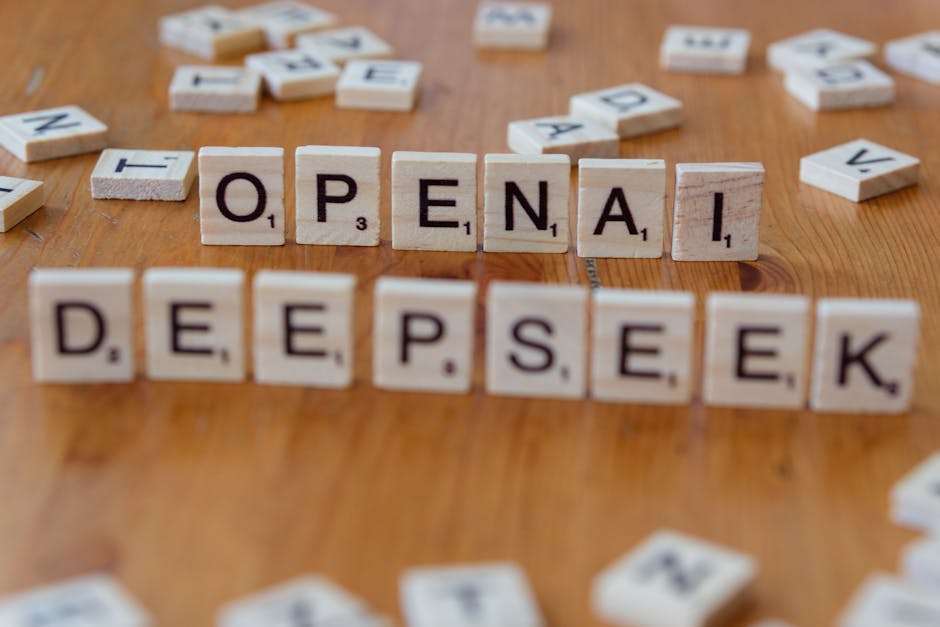
A report from the Education Times (2023) highlights that one year of ChatGPT in education has provided key lessons, including the need for educators to adapt their teaching methods to ensure students develop critical thinking skills alongside AI literacy. This involves designing curricula that incorporate AI tools alongside traditional learning methods, fostering environments that encourage analytical reasoning and independent thought.
Workforce Readiness in an AI Era
As the workforce evolves alongside these educational trends, employers are increasingly seeking candidates who can think critically and creatively. The ability to analyze information and make informed decisions will be a valuable asset as AI tools become more prevalent. Analysts suggest that organizations prioritizing critical thinking skills in their employees may gain a competitive advantage.
Striking a Balance with AI
You may also like
 Business
Epic Games to Lay Off Over 1,120 Employees Amid Financial Struggles
Epic Games announces a workforce reduction of 16%, cutting over 1,120 jobs to save $500 million annually. The layoffs reflect declining revenue from Fortnite and…
Read More →Despite the challenges posed by AI tools, there are also arguments in favor of their use. Proponents suggest that AI can enhance critical thinking by providing access to vast amounts of information and diverse perspectives. This access can stimulate analytical discussions and foster a more nuanced understanding of complex issues. However, this optimistic view is often counterbalanced by concerns about trust in AI systems, which can lead to reduced critical evaluation.
Workforce Readiness in an AI Era As the workforce evolves alongside these educational trends, employers are increasingly seeking candidates who can think critically and creatively.

The relationship between AI usage and critical thinking is not linear. Moderate use of AI tools may not significantly impact critical thinking, but excessive reliance can lead to cognitive decline. As such, finding a balance is essential. Organizations and educational institutions must develop strategies to integrate AI while promoting critical thinking skills. This may involve designing curricula that incorporate AI tools alongside traditional learning methods.