No products in the cart.

Yale Report Finds Colleges Deserve Blame for and the New Career Landscape
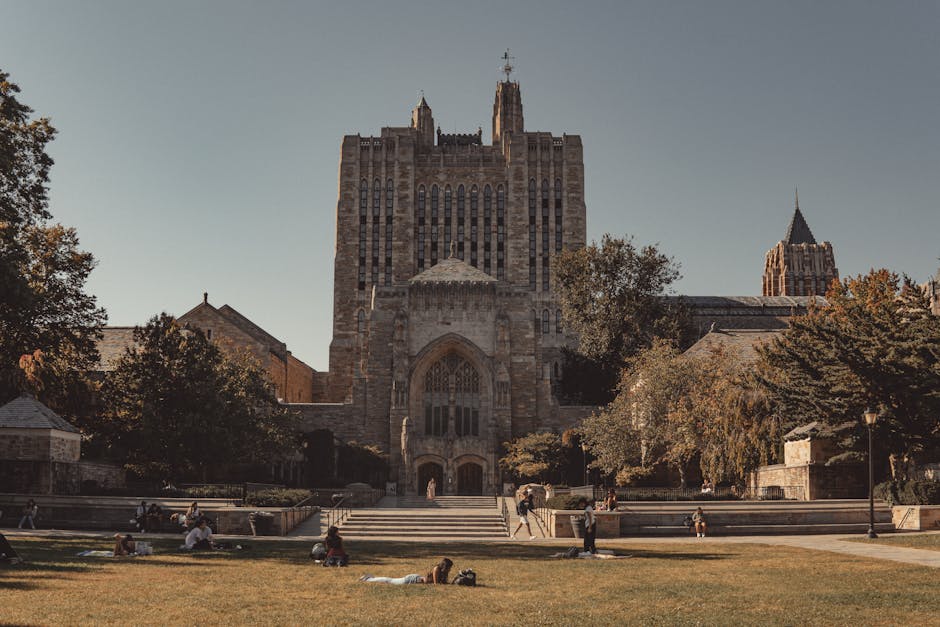
New Haven, Connecticut — A recent report from Yale University has sparked intense debate over the current state of higher education in the United States. Released on April 15, 2026, the report criticizes colleges for their role in perpetuating systemic issues within academia. The 10-member committee assembled by Yale highlights…


New Haven, Connecticut — A recent report from Yale University has sparked intense debate over the current state of higher education in the United States. Released on April 15, 2026, the report criticizes colleges for their role in perpetuating systemic issues within academia. The 10-member committee assembled by Yale highlights a range of failings that have contributed to the challenges facing students, faculty, and institutions alike.
The report asserts that colleges have become increasingly disconnected from the needs of their students and society. It underscores a growing distrust among the public regarding the value of a college degree. This skepticism is not unfounded; as tuition costs soar and student debt mounts, many graduates find themselves questioning the return on their educational investments.
According to the report, colleges have prioritized prestige and rankings over student success and well-being. The committee argues that this focus has led to a neglect of essential educational outcomes, such as critical thinking and practical skills. As a result, graduates often enter the workforce unprepared for the demands of modern jobs, further diminishing the perceived value of higher education.
The Erosion of Public Trust
The Yale report comes at a time when public trust in higher education is eroding. A survey by Gallup found that only 36% of Americans believe that a college education is worth the cost (Gallup, 2021). This decline in confidence correlates with rising student debt, which has surpassed $1.7 trillion in the U.S. According to the Federal Reserve, the burden of student loans is causing many graduates to delay major life decisions, such as buying a home or starting a family.
Moreover, the report highlights that the pandemic has exacerbated these issues. Many institutions struggled to adapt to remote learning, leaving students feeling isolated and unsupported. A study by the National Student Clearinghouse Research Center revealed that enrollment in higher education dropped by 4.5% in the fall of 2021, a trend that has continued in subsequent years (National Student Clearinghouse Research Center, 2021). This decline raises concerns about the sustainability of many colleges and universities.
Many institutions struggled to adapt to remote learning, leaving students feeling isolated and unsupported.
Implications for Students and Workforce Readiness
The implications of the Yale report extend beyond the realm of academia. As colleges grapple with their roles and responsibilities, students must navigate an increasingly complex job market. Employers are seeking candidates with practical skills and real-world experience, yet many graduates emerge from college with theoretical knowledge that does not translate into workplace readiness.
You may also like
 Artificial Intelligence
India’s Agentic Enterprises: The Future of AI Innovation
India is at the forefront of AI innovation, with agentic enterprises reshaping business landscapes. This shift presents new career opportunities and challenges for professionals.
Read More →According to a report from the National Association of Colleges and Employers (NACE), only 46% of employers believe that recent graduates possess the skills necessary for success in their organizations (NACE, 2021). This gap between educational outcomes and workforce expectations poses a significant challenge for both students and employers. As a result, many graduates find themselves underemployed or in jobs that do not require a degree.
Furthermore, the increasing focus on skills-based hiring is reshaping the landscape of job recruitment. Companies are placing greater emphasis on practical experience, often favoring candidates who have completed internships or vocational training over those with traditional degrees. This trend poses a dilemma for colleges, which must adapt their curricula to better align with the skills employers demand.
The Yale report suggests that colleges should prioritize experiential learning opportunities, such as internships and co-op programs, to better prepare students for the workforce. By integrating these experiences into academic programs, institutions can help students develop the skills necessary to thrive in their careers.
Future of Higher Education: A Call for Reform
The findings of the Yale report serve as a wake-up call for higher education leaders. As the landscape of education continues to evolve, colleges must confront the realities of their current practices and policies. The report calls for a comprehensive review of institutional priorities, urging colleges to focus on student success and community engagement.
The Yale report suggests that colleges should prioritize experiential learning opportunities, such as internships and co-op programs, to better prepare students for the workforce.
In addition, the report emphasizes the need for greater collaboration between higher education institutions and employers. By fostering partnerships that align educational programs with industry needs, colleges can enhance the employability of their graduates. This approach not only benefits students but also addresses the skills gap that many employers are currently facing.
You may also like
 News
NewsThe Surge of Cybersecurity Skills in 2025
In 2025, the demand for cybersecurity skills is skyrocketing due to increased cyber threats. Learn about training paths and opportunities for the future.
Read More →As the debate over higher education reform intensifies, stakeholders must consider the implications of maintaining the status quo. The Yale report’s critique of colleges presents an opportunity for meaningful change, encouraging institutions to rethink their missions and the value they provide to students and society.
Sources: Bloomberg, Bbc.