No products in the cart.

Navigating the AI-Driven Micro-Learning Landscape: Trends for 2025
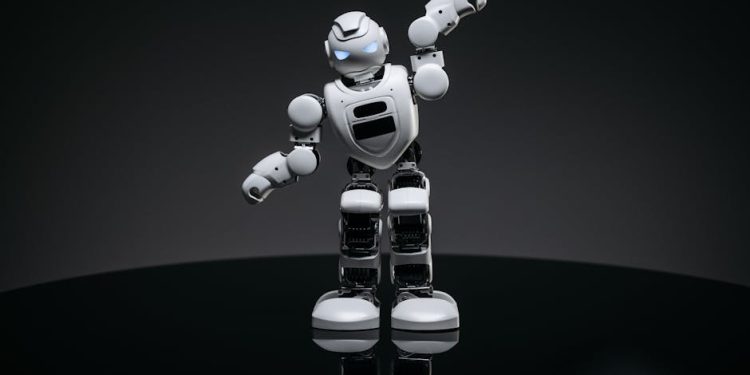
As AI advances, micro-learning becomes a key player in skill development. Discover the trends shaping the future of learning.

San Francisco, USA — The landscape of education and professional development is undergoing a seismic shift, driven by the relentless advance of artificial intelligence (AI). In this new era, micro-learning — bite-sized, focused learning modules — is gaining traction as a transformative approach to skill acquisition. The latest trends suggest that by 2025, AI-powered micro-learning nuggets will not only dominate the learning market but also redefine how young professionals engage with their careers.
Micro-learning isn’t just a buzzword; it’s a response to the demands of a fast-paced world. With attention spans dwindling and the need for continuous upskilling ever-present, professionals are turning to concise, targeted information that can be consumed on-the-go. Imagine being able to learn a new programming language or enhance your leadership skills in just a few minutes each day — that’s the promise of AI-powered micro-learning.
According to a recent report by WhaTech, the micro-learning market is projected to reach $2 billion by 2025, fueled by AI innovations that personalize learning experiences and enhance engagement. This trend is particularly appealing to the 16-35 age group, who prioritize flexibility and efficiency in their learning paths. Young professionals today are not just looking for traditional education; they seek dynamic, interactive experiences that fit seamlessly into their busy lives.
But what exactly does AI bring to the micro-learning table? For starters, it allows for a tailored learning experience. AI algorithms can analyze a learner’s preferences, strengths, and weaknesses, creating customized learning paths that cater to individual needs. This personalization ensures that learners are not wasting time on unnecessary content but are instead focusing on skills that will advance their careers.
Young professionals today are not just looking for traditional education; they seek dynamic, interactive experiences that fit seamlessly into their busy lives.
Moreover, AI can facilitate real-time feedback. Imagine a scenario where a young entrepreneur is learning about digital marketing strategies. With AI integration, they could receive immediate insights on their performance, allowing for quick adjustments and improved understanding. This instant feedback loop is a game-changer in traditional learning environments, where assessments often lag behind learning.
However, the rise of AI in education is not without its challenges. Concerns about data privacy and the ethical implications of AI are at the forefront of discussions among educators and technologists. As learning becomes increasingly data-driven, ensuring that personal information remains secure is paramount. Additionally, there’s the question of accessibility; as AI technologies develop, it’s crucial that they remain inclusive and beneficial for all learners, regardless of their background or resources.
Furthermore, while AI can enhance learning, it cannot replace the human element that is essential for effective education. Real-world experiences, mentorship, and emotional intelligence are irreplaceable components of personal and professional growth. As we integrate AI into micro-learning, it’s vital to strike a balance that preserves the value of human interaction.
You may also like
 Government & Policy
Live Nation and Ticketmaster Illegally Monopolized Ticketing Market, Jury Finds
A jury has ruled that Live Nation and its subsidiary Ticketmaster illegally monopolized the ticketing market, a decision that could reshape live events and ticket…
Read More →Looking ahead, the fusion of AI and micro-learning is set to create a new paradigm in skill development. Companies and educational institutions that embrace these technologies will likely lead the charge in preparing a workforce that is agile and equipped for the challenges of tomorrow. The implications for young professionals are profound; as micro-learning becomes more prevalent, the onus will be on individuals to seize these opportunities, continuously adapt, and cultivate a lifelong learning mindset.
Furthermore, while AI can enhance learning, it cannot replace the human element that is essential for effective education.
In this rapidly evolving landscape, adaptability will be the key to success. The future belongs to those who can swiftly navigate new tools and technologies, making continuous learning not just a preference but a necessity. As we approach 2025, the message is clear: invest in your own education and embrace the changes that AI-driven micro-learning brings.