No products in the cart.

Ye Tian: Pioneering Human-AI Interaction Design
Ye Tian is revolutionizing human-AI interaction through innovative UX/UI design, setting the stage for a future where technology feels intuitive and seamless.

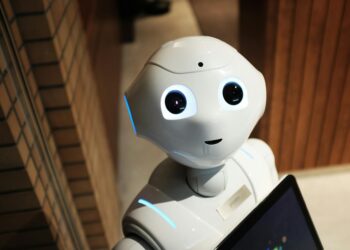
Beijing, China — As the world becomes increasingly intertwined with technology, the question of how we interact with artificial intelligence looms larger than ever. Ye Tian, a trailblazer in UX/UI design, is at the forefront of this revolution. With a vision that transcends traditional boundaries, Tian’s work is not just about creating visually appealing interfaces; it’s about fostering a deeper connection between humans and machines.
In a recent interview, Tian shared insights into his journey and the pivotal role he believes design plays in shaping the future of human-AI interaction. “Design is not just about aesthetics; it’s about empathy,” he stated, emphasizing the importance of understanding user needs in a rapidly evolving digital landscape.
Tian’s career began in the bustling tech scene of Beijing, where he witnessed firsthand the rapid advancements in AI and machine learning. This exposure fueled his passion for creating user experiences that are not only functional but also emotionally resonant. His groundbreaking work with start-ups has attracted attention globally, placing him in a unique position to influence the next generation of digital interactions.
As we delve into the current trends in UX/UI design, it’s crucial to recognize the shift towards personalization. Today’s users demand experiences that cater to their individual preferences and behaviors. This is where AI comes into play—analyzing data to anticipate user needs and tailor interactions accordingly. Tian believes that the key lies in leveraging AI’s capabilities to create interfaces that feel intuitive and almost human-like.
Tian’s career began in the bustling tech scene of Beijing, where he witnessed firsthand the rapid advancements in AI and machine learning.
Consider the evolution of virtual assistants. In their early days, they were clunky and often frustrating. However, with advancements in AI and thoughtful design, they’ve transformed into more conversational and helpful companions. “The goal is to make technology invisible, allowing users to focus on what truly matters,” Tian explained.
You may also like
 Government & Policy
Revitalizing Urban Spaces: The Role of Sustainable Development in City Transformation
Sustainable development is not just a buzzword; it's a vital strategy reshaping urban environments and enhancing community life.
Read More →Moreover, the pandemic has accelerated the demand for seamless digital experiences. Remote work, online learning, and telehealth have all surged, compelling designers to rethink how users interact with technology. “We’re no longer just designing for screens; we’re designing for a multitude of environments,” Tian noted. This shift has led to the rise of adaptable designs that function across various devices and contexts, further blurring the lines between physical and digital experiences.
However, with great power comes great responsibility. As AI becomes more integrated into our lives, ethical considerations loom large. How do we ensure that these technologies are used for good? Tian advocates for a design philosophy rooted in ethical principles, emphasizing the need for transparency and user agency. “We must empower users to understand how their data is being used and give them control over their digital experiences,” he stated.
Looking ahead, the future of UX/UI design is bound to be shaped by ongoing advancements in AI and machine learning. As these technologies continue to evolve, designers like Tian will play a crucial role in ensuring that human-centered design remains at the forefront. “The challenge will be to create experiences that enhance human capabilities rather than replace them,” he asserted.
Moreover, collaboration between designers, technologists, and users will be essential. By fostering an inclusive approach, we can create solutions that cater to diverse needs and perspectives. “Diversity in design leads to innovation,” Tian emphasized, highlighting the importance of varied voices in shaping the future of technology.
Looking ahead, the future of UX/UI design is bound to be shaped by ongoing advancements in AI and machine learning.
As we navigate this new frontier, it’s clear that the relationship between humans and AI will only deepen. The potential for enhanced communication, personalized experiences, and improved accessibility is immense. However, it’s crucial that we approach this evolution with caution and intent, ensuring that technology serves humanity rather than the other way around.
You may also like
 Entrepreneurship & Business
Unlocking Opportunities: Global Business Grants for Women Entrepreneurs in 2025
Discover essential funding opportunities for women entrepreneurs in 2025 through global business grants. Empower your entrepreneurial journey!
Read More →In a world where technology is ever-present, the vision of pioneers like Ye Tian serves as a guiding light. By prioritizing empathy, ethics, and collaboration, the future of human-AI interaction can be one that is not only innovative but also enriching for all.