No products in the cart.

Six Business Transformation Trends for 2026 – LinkedIn | Apr 18
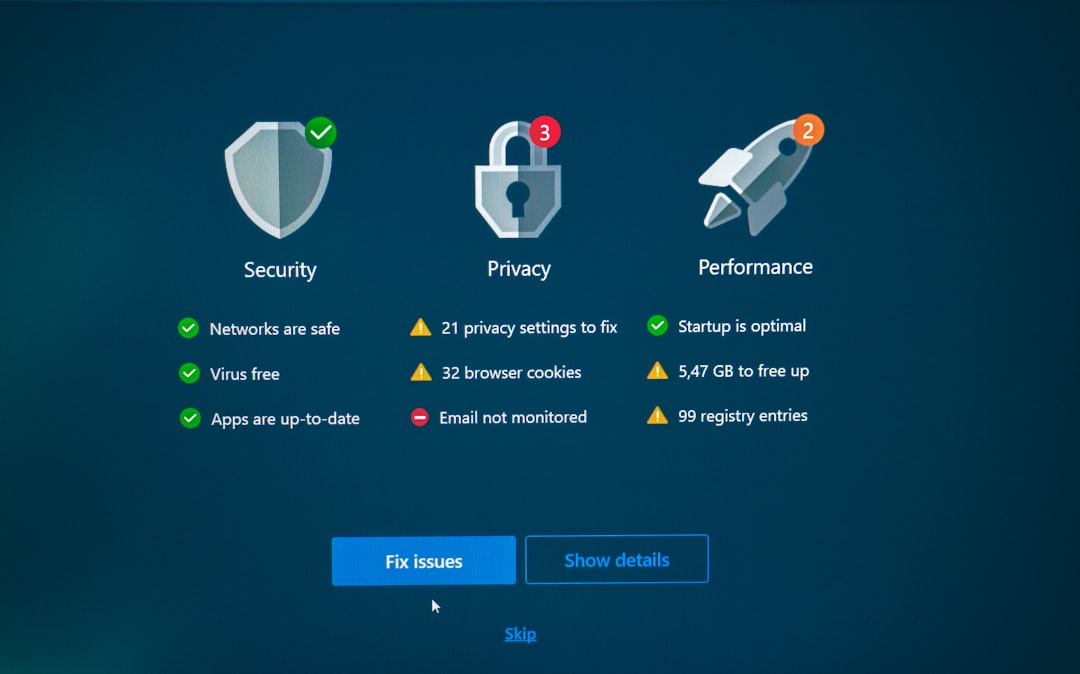
According to a recent analysis by Georgia Smith, these trends are not just about adopting new technologies but also about managing change effectively. The first trend is the rise of zero-trust security models. Moreover, the recent BBC report on the impact of cybersecurity breaches underscores the financial repercussions of inadequate security measures.

In a rapidly changing world, organizations must adapt or risk obsolescence. The landscape of business transformation is evolving, driven by technological advancements and shifting workforce dynamics. As we look toward 2026, six key trends are emerging that will reshape how companies operate, emphasizing the need for a blend of technology and human-centric strategies.
According to a recent analysis by Georgia Smith, these trends are not just about adopting new technologies but also about managing change effectively. The integration of technology with a focus on people is essential for success. This dual approach will be crucial as businesses navigate the complexities of a post-pandemic economy.
The Rise of Zero-Trust Security Models
The first trend is the rise of zero-trust security models. As cyber threats become more sophisticated, organizations are moving away from traditional security frameworks. Instead, they are implementing zero-trust models that require verification from everyone attempting to access resources, regardless of their location. This shift is crucial for protecting sensitive data and maintaining customer trust. A report by PwC highlights that companies are expected to increase their investments in security technologies significantly, reflecting a broader recognition that cybersecurity is not just an IT issue but a fundamental business concern. Organizations that prioritize security will likely see enhanced reputation and customer loyalty.
Moreover, the recent BBC report on the impact of cybersecurity breaches underscores the financial repercussions of inadequate security measures. Companies that neglect employee training and awareness are more vulnerable to attacks, which can lead to significant losses, as seen in the case of M&S’s cyber-attack. This highlights the need for a balanced approach that combines technology with a strong focus on people.
As cyber threats become more sophisticated, organizations are moving away from traditional security frameworks.
You may also like
 Career Trends
QS University Rankings Highlight Challenges for Online Education
The QS University Rankings reveal growth in online education, but significant challenges remain. Discover the implications for students and institutions.
Read More →
AI Technology Stacks and Hyper-Automation
The second trend involves the increasing adoption of AI technology stacks. Businesses are leveraging AI to streamline operations, enhance customer experiences, and drive innovation. AI is no longer a futuristic concept; it is becoming a core component of business strategy. Companies that effectively integrate AI into their operations can gain a competitive edge. As noted in the LinkedIn article on business transformation trends, organizations are increasingly recognizing the need for AI to remain relevant in a technology-driven market.
Furthermore, hyper-automation is on the rise. This trend goes beyond traditional automation by combining multiple technologies, including AI, machine learning, and robotic process automation. Hyper-automation enables organizations to automate complex processes, leading to increased efficiency and reduced operational costs. The integration of these technologies allows businesses to not only improve productivity but also to innovate their service offerings, as highlighted by the insights from Bloomberg on the evolving landscape of business operations.
As Georgia Smith outlines, these trends are interconnected. The successful implementation of AI and automation requires a strong security framework. Without robust cybersecurity measures, organizations risk exposing themselves to vulnerabilities that could undermine their technological advancements.

The successful implementation of AI and automation requires a strong security framework.
Challenges in Implementing Transformation Strategies
You may also like
 Artificial Intelligence
Kareem Amin’s Startup Hits $100 Million ARR with AI Innovation
Kareem Amin's startup, Clay, leverages AI to revolutionize customer acquisition, reaching $100 million in ARR. Here's what this means for your career.
Read More →Despite the clear benefits of these trends, challenges remain. One significant issue is the resistance to change within organizations. Employees may feel threatened by automation and AI, fearing job loss or displacement. This fear can hinder the successful implementation of new technologies. The Catalyst report on DEI employee retention data indicates that organizations with a strong focus on employee engagement and training are more likely to overcome these barriers. By fostering a culture of continuous learning, companies can alleviate fears and encourage adoption of new technologies.
Additionally, there is a debate about the effectiveness of zero-trust models. While many experts advocate for this approach, some argue that it can be overly complex and costly to implement. Organizations must weigh the benefits against the potential challenges of adopting such a comprehensive security framework. The Bloomberg analysis on the risks associated with cybersecurity strategies emphasizes the importance of a tailored approach that considers the unique needs of each organization.

Furthermore, the emphasis on technology can sometimes overshadow the importance of human factors in transformation. While technology is essential, organizations must also focus on developing their workforce. Training and upskilling employees are crucial for ensuring that they can adapt to new technologies and thrive in a changing environment.
As businesses evolve, new roles will emerge that require a blend of technical skills and change management capabilities.
The Future Landscape of Business Transformation
Looking ahead, the future of business transformation will likely be shaped by these trends. Organizations that embrace a holistic approach, integrating technology with a focus on people, will be better positioned to succeed. The ability to adapt to change will be a critical factor in determining which companies thrive in the coming years. As the global economy continues to evolve, businesses must remain agile. The trends identified for 2026 are not static; they will continue to develop as new technologies emerge and workforce dynamics shift. Companies that stay ahead of these changes will be able to leverage new opportunities and mitigate risks.
You may also like
 Career Development
The Future of Human Resources: Crafting Careers in 2025
Explore how human resources is revolutionizing career paths and workplace culture in 2025, shaping the future of work for young professionals.
Read More →In conclusion, the landscape of business transformation is complex and multifaceted. The six trends outlined by Georgia Smith emphasize the need for organizations to combine technology adoption with strategic change management. By doing so, they can navigate the challenges of the future and position themselves for success. For young professionals and job seekers, understanding these trends is vital. As businesses evolve, new roles will emerge that require a blend of technical skills and change management capabilities. Being adaptable and open to learning will be key to thriving in this dynamic environment.