No products in the cart.

The Download: murderous ‘mirror’ bacteria, and Chinese workers fighting AI doubles

As biotechnology and artificial intelligence converge, the emergence of synthetic 'mirror' bacteria raises profound ethical and ecological questions. Meanwhile, Chinese tech workers confront the implications of AI doubles on their professional identities.

In a groundbreaking yet alarming development, scientists are exploring the creation of synthetic “mirror” bacteria—organisms engineered to have proteins and sugars that are mirror images of those found in nature. This ambitious project, first proposed in February 2019, aims to unlock new insights into cell construction and drug design. However, as research progresses, many scientists are expressing deep concerns about the potential ecological risks these organisms pose, raising questions about the balance between innovation and safety.
According to a recent report from MIT Technology Review, initial enthusiasm for mirror bacteria has shifted dramatically. Researchers who once championed the project now warn that these synthetic organisms could trigger catastrophic events that threaten all forms of life on Earth. The potential for unintended consequences is significant; experts are calling for stringent regulatory frameworks to govern synthetic biology research. Without proper oversight, the creation of mirror bacteria could lead to unforeseen ecological disasters, echoing fears from the scientific community about the responsibilities of researchers in this uncharted territory.
Despite the risks, the potential benefits of mirror bacteria are immense. These organisms could pave the way for breakthroughs in medicine, such as targeted drug delivery systems and novel treatments for diseases. They may also offer sustainable solutions to environmental challenges, such as pollution and waste management. However, the ethical implications of creating life forms that do not exist in nature cannot be ignored. As researchers delve deeper into the potential of mirror bacteria, the urgency for a robust regulatory framework becomes increasingly clear.
AI Doubles: The Workforce Challenge in China
Simultaneously, the rise of AI doubles is reshaping the workforce landscape in China. A recent GitHub project called Colleague Skill aimed to replicate workers’ skills and personalities through AI agents. Although initially perceived as a novelty, this project has sparked serious reflection among tech workers about their future roles. Many are now documenting their workflows to facilitate automation, fearing that they may be reduced to mere code.
A recent GitHub project called Colleague Skill aimed to replicate workers’ skills and personalities through AI agents.
You may also like
 AI & Technology
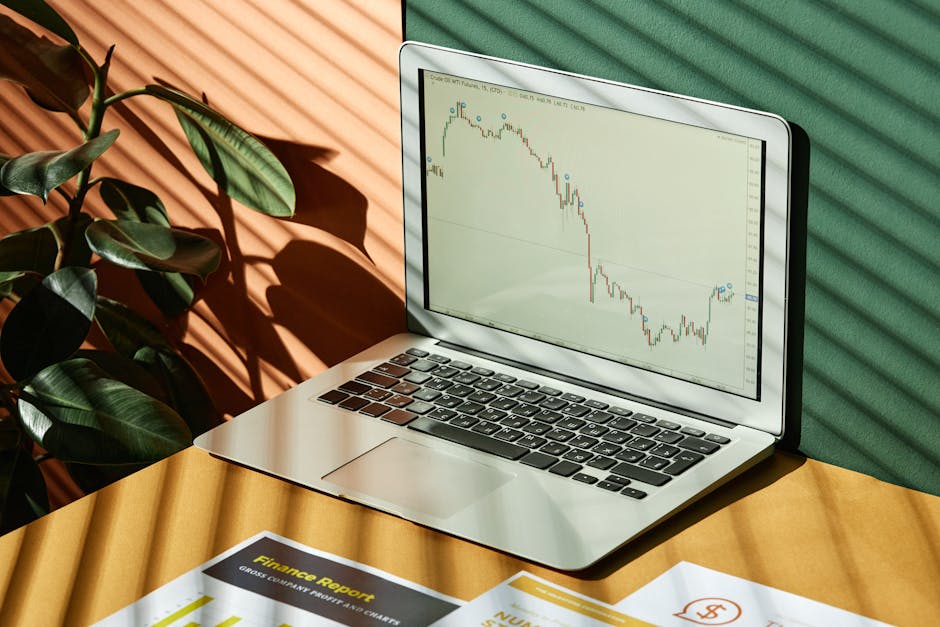
Tesla’s Profit Decline: What It Means for Investors
Tesla's profit slump may not deter investors. Explore the implications for market strategies and what this means for your investments.
Read More →This anxiety is compounded by employers increasingly encouraging this documentation, leading to a sense of loss of professional identity. As AI technology advances, the line between human and machine blurs. The fear of being replaced by AI doubles has led to a growing movement among Chinese tech workers who are developing tools designed to sabotage the automation process, reflecting a resistance to being supplanted by AI.
In response to these challenges, some workers are advocating for a reevaluation of education and training programs to prepare for a future where AI plays a central role. This adaptation is crucial as the workforce must navigate the complexities of an evolving job market influenced by rapid technological advancements.

What Changes for Students and Professionals
The discourse surrounding mirror bacteria and AI doubles is rife with contradictions. On one hand, the potential benefits of synthetic biology and AI are immense, promising advancements in healthcare, efficiency, and productivity. On the other hand, the risks associated with these technologies are significant, prompting calls for stricter regulations and ethical considerations. The MIT Technology Review highlights that while the scientific community is excited about the possibilities of mirror bacteria, there is a palpable fear regarding their potential to disrupt ecosystems and human health.
As the scientific community grapples with the implications of mirror bacteria, there is a pressing need for a robust regulatory framework. Policymakers must balance the desire for innovation with the necessity of ensuring public safety. Similarly, as AI technology continues to evolve, the workforce must adapt to new realities. This adaptation may require a reevaluation of education and training programs to prepare workers for a future where AI plays a central role.
In response to these challenges, some workers are advocating for a reevaluation of education and training programs to prepare for a future where AI plays a central role.

Looking ahead, the future of both mirror bacteria and AI doubles will depend on how society navigates these challenges. The dialogue surrounding these technologies must be inclusive, involving scientists, ethicists, policymakers, and the public. By fostering a collaborative approach, we can harness the potential of these innovations while mitigating their risks. The rise of mirror bacteria and AI doubles presents both opportunities and challenges. As we stand on the brink of a new era in biotechnology and artificial intelligence, it is crucial to engage in thoughtful discussions about the implications of these advancements. The future of work and life on Earth may very well depend on our ability to navigate this complex landscape responsibly.
You may also like
 Entrepreneurship & Business
Canva doubles down on AI and marketing automation with Simtheory, Ortto acquisitions
Canva is taking a bold step into the future of digital marketing with its recent acquisitions of Simtheory and Ortto, two companies specializing in AI-driven…
Read More →