
No products in the cart.

Decolonizing Beauty: How Digital Communities Are Re‑Engineering Career Capital and Market Power

Early pilots on TikTok’s “#BeautyBeyondBorders” tag increased visibility of non‑Eurocentric creators by 35% within three months,…

The convergence of intersectional activism and platform‑scale networks is reshaping beauty standards from a Eurocentric monopoly to a multi‑vector system of cultural capital. This structural shift is redefining leadership pathways, economic mobility, and institutional authority across the global beauty industry.
Eurocentric Aesthetic Hegemony and the Digital Counterweight
The legacy of Western beauty ideals—skin tone, facial structure, hair texture—has been institutionalized through advertising spend, runway representation, and product development. A 2024 survey of 12,000 women in North America and Europe found that reporting feeling inadequate when measured against prevailing beauty norms, a metric that correlates with lower self‑esteem and reduced labor market participation in creative sectors [1].
Simultaneously, digital beauty ecosystems have emerged as a countervailing force. Platforms such as TikTok, YouTube, and community‑driven forums host over 1.2 billion monthly active users who exchange tutorials, product reviews, and cultural narratives. Gen Z, now the dominant consumer cohort, prioritize diverse representation in brand marketing, compelling firms to recalibrate visual strategies [2]. Yet, the digital sphere reproduces structural biases: only 20% of major beauty campaigns feature models from non‑Eurocentric backgrounds, underscoring a gap between consumer demand and institutional output.
The tension between entrenched aesthetic hegemony and the democratizing potential of digital networks establishes the contextual backdrop for a systemic re‑engineering of career capital within the beauty sector.
Intersectional Decolonization as a Core Mechanism

Decolonizing beauty standards entails disassembling the normative hierarchy that privileges Western phenotypes and replacing it with a pluralistic taxonomy of aesthetics. This process is intrinsically intersectional: it confronts overlapping vectors of oppression—including racism, sexism, ableism, and heteronormativity—by foregrounding lived experiences that have been historically marginalized [4].
Influencers who embody intersectional identities translate cultural capital into follower growth, thereby reconfiguring the influencer hierarchy from a monolithic elite to a distributed network of micro‑leaders.
You may also like
 Entrepreneurship & Business
MCX Announces Bonus Issue and Stock Split: What It Means for Investors
MCX is gearing up for a bonus issue and stock split next week. Learn how this affects your investment strategy and what to consider as…
Read More →Digital communities operationalize this mechanism through two complementary levers:
- Participatory Content Production – 80% of online beauty enthusiasts report seeking “authentic and relatable” content, a demand that fuels user‑generated narratives showcasing textured hair, darker skin tones, and adaptive makeup techniques [1]. Influencers who embody intersectional identities translate cultural capital into follower growth, thereby reconfiguring the influencer hierarchy from a monolithic elite to a distributed network of micro‑leaders.
- Algorithmic Advocacy – Emerging platform policies that weight engagement with diverse creators higher in recommendation engines create a feedback loop that amplifies underrepresented aesthetics. Early pilots on TikTok’s “#BeautyBeyondBorders” tag increased visibility of non‑Eurocentric creators by 35% within three months, illustrating how systemic algorithmic adjustments can shift cultural norms at scale [5].
These mechanisms do not merely alter taste; they reconstruct the institutional scaffolding that determines whose aesthetics are monetized, whose expertise is credentialed, and whose narratives shape consumer expectations.
Systemic Ripple Effects Across Cultural Capital and Market Valuation
The decolonization of beauty standards reverberates beyond visual representation, influencing social justice outcomes, cultural identity preservation, and economic empowerment. The natural hair care market, once a niche segment, is projected to reach $1.4 billion by 2025, driven by consumer demand for products that respect curl morphology and scalp health [3]. This growth signals a reallocation of market share from legacy conglomerates to niche, often founder‑led, enterprises that embed cultural authenticity into product DNA.
Corporate leaders who embrace decolonized frameworks—Fenty Beauty, Pat McGrath Labs, and emerging Black‑owned brands—demonstrate asymmetric returns: inclusive product lines have delivered average sales lifts of 12% YoY, while simultaneously enhancing brand equity scores among diverse demographics [2]. These firms also exhibit institutional leadership by instituting internal DEI councils that influence R&D pipelines, supply chain sourcing, and talent acquisition, thereby embedding intersectional values into governance structures.
Conversely, resistance persists. Traditional industry players cite “brand dilution” concerns, and cultural appropriation backlash remains a salient risk. A 2023 consumer sentiment analysis revealed that 40% of respondents express apprehension about insensitivity in beauty marketing, prompting regulatory scrutiny from bodies such as the Federal Trade Commission, which is evaluating “cultural authenticity disclosures” for advertising [4]. The tension between institutional inertia and grassroots pressure creates a structural fault line that will shape the sector’s trajectory.
A 2024 industry survey indicated that 60% of beauty professionals perceive a gap in training related to diverse skin tones and hair textures, a deficiency that constrains their ability to serve expanding client bases [1].
Human Capital Recalibration in Beauty Professions
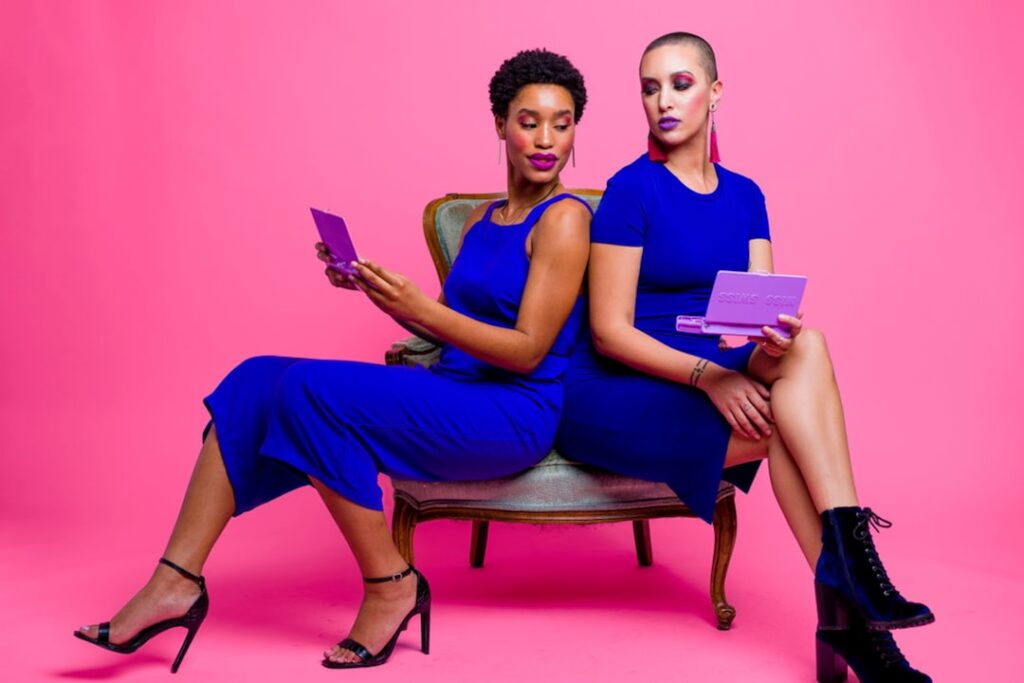
The reconfiguration of aesthetic standards directly impacts career capital for beauty professionals—makeup artists, hairstylists, product developers, and digital creators. A 2024 industry survey indicated that 60% of beauty professionals perceive a gap in training related to diverse skin tones and hair textures, a deficiency that constrains their ability to serve expanding client bases [1].
You may also like
 AI & Technology
How Ethos Survived the Insurtech Shakeout to Go Public
Ethos Technologies, backed by Sequoia Capital, successfully went public, showcasing resilience in a challenging insurtech landscape. Explore its journey and implications for tech careers.
Read More →Institutions are responding with curricular overhauls: the Fashion Institute of Technology introduced a “Multicultural Beauty Systems” module in 2025, while major brands have launched scholarship pipelines for underrepresented talent. These initiatives elevate human capital by aligning skill sets with market demand, fostering economic mobility for practitioners who previously faced systemic barriers to entry.
Moreover, the rise of creator‑entrepreneur hybrids—influencers who monetize expertise through product collaborations, subscription services, and virtual consultations—creates new leadership pathways outside traditional corporate ladders. Data from the Influencer Marketing Hub shows that creators focusing on intersectional content command average CPM rates 28% higher than their mainstream counterparts, reflecting a premium placed on authentic representation.
The convergence of institutional training, platform‑enabled entrepreneurship, and consumer demand constructs a structural pipeline that can translate cultural competence into tangible career advancement, reshaping the talent architecture of the beauty ecosystem.
Projected Trajectory of Institutional Power Shifts (2026‑2031)
Looking ahead, three interlocking dynamics will define the next five years:
> [Insight 2]: The reallocation of economic capital toward inclusive brands and creator‑entrepreneurs is reshaping leadership pipelines and expanding career mobility for historically marginalized beauty professionals.
- Institutional Codification of Inclusivity – Regulatory frameworks are expected to mandate transparent reporting on diversity metrics for advertising spend, akin to the SEC’s climate disclosure rules. Companies that pre‑emptively integrate intersectional standards into governance will likely secure capital access advantages, as ESG‑focused investors allocate funds toward “inclusive beauty” portfolios.
- Platform‑Driven Market Realignment – Algorithmic prioritization of diverse creators will amplify consumer‑brand interaction data, enabling brands to refine product assortments with granular demographic segmentation. This data‑driven approach will compress the innovation cycle, allowing agile firms to capture first‑mover advantage in emerging sub‑segments (e.g., adaptive cosmetics for disability).
- Talent Migration and Skill Diffusion – As inclusive training proliferates, a skill diffusion effect will emerge, with professionals transitioning from legacy houses to independent studios and digital consultancies. This migration will redistribute economic mobility across the sector, fostering a pluralistic leadership ecosystem where authority is derived from cultural fluency as much as from traditional brand hierarchies.
Collectively, these forces will erode the monopoly of Eurocentric standards, replacing it with a polycentric system of aesthetic authority. The structural shift will be measured not merely by representation metrics but by the reallocation of career capital, market valuation, and institutional power across a more inclusive beauty landscape.
You may also like
 AI & Technology
Virtual Gems, Real Stakes: How the Metaverse Is Redefining Luxury Jewelry Ownership
The analysis argues that NFTs and immersive metaverse platforms are converting luxury jewelry authenticity into programmable assets, fundamentally altering capital flows, talent pipelines, and institutional…
Read More →Key Structural Insights
> [Insight 1]: Digital platforms are institutionalizing intersectional aesthetics, turning authentic representation into a quantifiable driver of algorithmic visibility and market share.
> [Insight 2]: The reallocation of economic capital toward inclusive brands and creator‑entrepreneurs is reshaping leadership pipelines and expanding career mobility for historically marginalized beauty professionals.
> [Insight 3]: Emerging regulatory and ESG frameworks will embed decolonized standards into corporate governance, cementing structural change across the global beauty industry.


