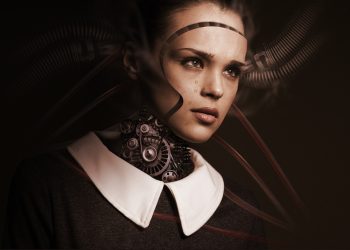
The robotics landscape is experiencing a significant transformation driven by the emergence of Physical AI. This technology integrates artificial intelligence with physical robotics, enabling machines to perform complex tasks in dynamic environments. Unlike earlier robotic systems that were confined to repetitive actions in controlled settings, Physical AI empowers robots to navigate real-world challenges, making them increasingly valuable across sectors such as manufacturing, healthcare, and logistics.
According to recent research, the market for robotics and automation is projected to grow substantially in the coming years. This growth is fueled by advancements in machine learning, sensor technology, and robotics. As businesses strive for greater efficiency and adaptability, the demand for Physical AI solutions is surging. The COVID-19 pandemic has further accelerated this trend, as companies faced labor shortages and supply chain disruptions, prompting them to invest in automation technologies.
Core Capabilities of Physical AI
Physical AI encompasses a variety of capabilities that enhance traditional robotics. Key features include advanced perception, decision-making, and the ability to learn from experiences. Robots equipped with Physical AI can analyze their surroundings and adapt their actions accordingly, which is crucial in environments where conditions change rapidly, such as warehouses or hospitals.
For example, a Physical AI robot in a warehouse can identify and avoid obstacles while optimizing its path to deliver goods. This level of sophistication was previously unattainable with conventional automation systems. The ability to learn and improve over time distinguishes Physical AI, enabling robots to handle tasks that require human-like judgment.
Moreover, the collaboration between humans and Physical AI robots is becoming increasingly seamless. These robots can work alongside human workers, enhancing productivity while reducing the risk of injury in hazardous environments. This collaboration is not merely about replacing human labor but augmenting it, allowing employees to focus on more complex tasks.
However, this shift also raises concerns about the future of work.
The National Testing Agency has canceled the NEET 2026 exam due to a major paper leak. This decision affects millions of students and raises questions…
The rise of Physical AI carries significant economic implications. As businesses adopt these technologies, they can expect increased efficiency and reduced operational costs. Companies that integrate Physical AI can streamline their processes, leading to faster production times and lower labor costs. However, this shift also raises concerns about the future of work.
While automation can enhance productivity, it may lead to job displacement, particularly for workers in roles that involve repetitive tasks. Nonetheless, the introduction of Physical AI may also create new job opportunities in areas such as robotics maintenance, programming, and oversight. As industries evolve, there will be a growing demand for skilled workers who can operate and manage these advanced systems, highlighting the importance of education and training programs focused on robotics and AI.
Ethical Considerations and Ongoing Debates
The integration of Physical AI into industries is not without challenges and controversies. One major debate centers around the ethical implications of automation. While proponents argue that Physical AI enhances productivity and safety, critics raise concerns about job displacement and the widening skills gap.
Some experts warn that the rapid pace of automation could outstrip the workforce’s ability to adapt. There is a risk that lower-skilled workers will find it increasingly difficult to secure employment, necessitating a robust dialogue about the role of education and policy in preparing the workforce for an automated future.
There is a risk that lower-skilled workers will find it increasingly difficult to secure employment, necessitating a robust dialogue about the role of education and policy in preparing the workforce for an automated future.
Another point of contention is the reliance on technology. Critics argue that over-dependence on Physical AI could lead to vulnerabilities in critical systems. If a robot fails or is compromised, the consequences could be severe, particularly in sectors like healthcare or transportation. This debate underscores the need for robust safety standards and regulations governing the use of robotics in sensitive environments.
Economic pressures and advances in AI are significantly transforming family roles and responsibilities. This article delves into the implications of these changes for households, highlighting…
The future of Physical AI in robotics appears promising, with significant advancements on the horizon. As technology continues to evolve, we can expect to see even more sophisticated robots capable of performing a wider range of tasks. Innovations in AI algorithms, sensor technology, and materials science will drive this evolution.
As industries increasingly adopt Physical AI, we will likely witness a shift in the labor market. Workers will need to adapt to new roles that focus on collaboration with robots rather than competition against them. This shift will require a rethinking of education and training programs to equip future workers with the necessary skills.
Additionally, the global landscape will influence the pace of adoption. Countries that prioritize investment in technology and workforce development will likely lead the way in the robotics revolution, driving innovation and setting benchmarks for others to follow.
Career Opportunities in an Automated World
As Physical AI continues to reshape industries, the implications for career paths are profound. Workers in fields such as engineering, data analysis, and robotics will find increased demand for their skills. Those who can adapt to new technologies and collaborate with AI will have a significant advantage in the job market.
Furthermore, there will be a growing need for professionals who can bridge the gap between technology and human workers.
Furthermore, there will be a growing need for professionals who can bridge the gap between technology and human workers. Roles focused on training, managing, and maintaining robotic systems will become essential. This evolution in the workforce emphasizes the importance of lifelong learning and adaptability in an era defined by rapid technological change.
In summary, the rise of Physical AI marks a pivotal moment in the evolution of robotics. As industries embrace this technology, the potential for innovation and efficiency is immense. However, the challenges it presents require careful consideration and proactive measures to ensure a balanced and equitable future for all workers.



Education & University Insights
 Entrepreneurship & Business
 Career Guidance