No products in the cart.

Tightened Credit Standards Impact Eurozone Businesses
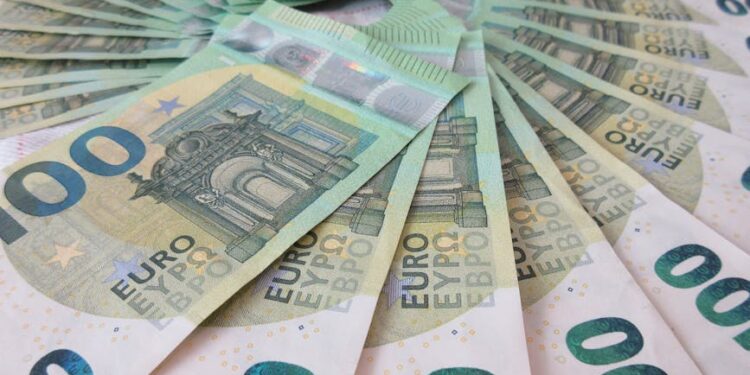
Euro-zone banks have tightened their credit standards significantly, affecting the ability of firms to secure loans. This shift raises concerns over economic growth and business operations in the region.

Euro-Zone Banks Tighten Credit Access
April 28, 2026 — Euro-zone banks have made a significant shift by tightening their credit standards for firms. This move marks the most considerable tightening since 2023, as reported by multiple sources. The European Central Bank (ECB) has noted that banks are increasingly cautious about lending, reflecting broader economic uncertainties.
According to eurobankingnews.com, the tightening is driven by concerns over rising inflation and geopolitical tensions, particularly the ongoing conflict in the Middle East. These factors have led banks to reassess their risk exposure, resulting in stricter lending criteria for businesses seeking loans.
As a consequence, many firms may find it more challenging to secure financing. This could lead to reduced investment and slower growth in the eurozone economy. The tightening of credit standards comes at a critical time when businesses are trying to recover from the impacts of previous economic disruptions.
Impacts on Business Operations
The tightening of credit standards is likely to have immediate effects on business operations across the eurozone. Many companies rely on loans for working capital and expansion plans. With banks tightening their lending criteria, firms may struggle to access the funds they need to operate effectively.
Finanznachrichten.de highlights that sectors such as manufacturing and retail could be particularly hard hit. These industries often depend on loans to manage cash flow and invest in new projects. If credit becomes scarce, companies may delay expansion plans or scale back operations, which could lead to job losses.
Furthermore, the increased difficulty in obtaining loans may push some businesses towards alternative financing methods, such as private equity or crowdfunding. While these options may provide necessary funds, they often come with higher costs and risks, potentially impacting long-term stability.
Furthermore, the increased difficulty in obtaining loans may push some businesses towards alternative financing methods, such as private equity or crowdfunding.
Economic Context and Historical Comparisons
You may also like
 Career Guidance
Microlearning as a Structural Lever for Career Capital in the Knowledge Economy
Macro‑Economic Shift Toward Continuous Skill Development The post‑pandemic labor market has crystallized a structural demand for perpetual upskilling.…
Read More →This tightening of credit standards is not an isolated event. Historically, periods of economic uncertainty have led banks to restrict lending. For example, during the financial crisis of 2008, banks significantly tightened their credit standards, which contributed to a prolonged economic downturn.
According to eurobankingnews.com, the current tightening reflects similar patterns seen in the past. The ECB’s recent survey indicates that banks are adjusting their lending practices in response to both internal and external pressures. This includes rising interest rates and inflation, which have made lending riskier.
The implications of this tightening are significant, as they may lead to a slowdown in economic recovery. Businesses that are unable to secure loans may face liquidity issues, which can further exacerbate economic challenges in the region.
Wider Implications for the Eurozone Economy
The broader implications of tighter credit standards extend beyond individual businesses. As firms struggle to secure financing, overall economic growth in the eurozone may slow. This could impact consumer spending, as businesses may cut back on hiring and investment.
Money.usnews.com reports that the ECB is closely monitoring these developments, as they could influence monetary policy decisions in the upcoming months. If credit conditions continue to tighten, the ECB may need to consider adjusting interest rates or implementing new measures to support lending.
Moreover, tighter credit standards can also affect market confidence. Investors may become wary of the eurozone’s economic prospects, leading to fluctuations in stock markets and reduced foreign investment. This cycle of uncertainty can further hinder recovery efforts.
Furthermore, targeted fiscal policies could help alleviate some of the pressures on businesses.
Potential Responses from Policymakers
In light of the tightening credit conditions, policymakers may need to take proactive steps to support the economy. This could include measures aimed at encouraging banks to maintain more favorable lending practices. The ECB has tools at its disposal, such as adjusting interest rates or providing liquidity support to banks.
You may also like
 Career Guidance
Visa Reforms After the Pandemic: Structural Shifts in Global Labor Mobility
Permanent, digitally streamlined visa pathways now function as a structural engine of post‑pandemic economic recovery, reshaping talent distribution, sectoral dynamics, and social integration across nations.
Read More →Furthermore, targeted fiscal policies could help alleviate some of the pressures on businesses. By providing incentives for investment or direct support to struggling sectors, governments can help stimulate economic activity. However, the effectiveness of such measures will depend on the willingness of banks to lend.
As the situation evolves, it will be crucial for stakeholders to monitor the balance between risk management and economic growth. Policymakers must navigate these challenges carefully to avoid stifling recovery efforts while ensuring financial stability.
Implications for Individuals and Job Seekers
The tightening of credit standards is not just a concern for businesses; it also has implications for individuals and job seekers. As companies face challenges in securing financing, hiring may slow down. This could lead to fewer job opportunities in the eurozone, particularly in sectors heavily reliant on credit.
Furthermore, individuals looking to start their own businesses may find it more difficult to secure loans. This could stifle entrepreneurship and innovation, which are vital for economic growth. The ability to access credit is crucial for individuals aiming to launch new ventures or expand existing ones.
Businesses may need to explore new financing avenues or rethink their strategies to thrive in a tighter credit environment.

In this environment, job seekers may need to adapt by seeking roles in industries less affected by credit tightening. Sectors such as technology or renewable energy may continue to thrive, even as traditional industries face challenges.
Looking Ahead: Uncertainties and Opportunities
The tightening of credit standards presents a complex landscape for the eurozone. As banks become more cautious, the potential for economic slowdown looms large. However, this situation also creates opportunities for innovation and adaptation.
You may also like
 Industry & Global Trends
The Summer Without a Chorus: How Gen Z Turned the Anthem into an Algorithm
The “song of the summer” is gone. In its place: fragmented sounds, global niches, and a cultural shift powered by algorithms.
Read More →Businesses may need to explore new financing avenues or rethink their strategies to thrive in a tighter credit environment. Additionally, policymakers have a chance to implement measures that could foster resilience and support long-term growth.
As the eurozone navigates these challenges, the question remains: how will banks balance risk management with the need to support economic recovery? The coming months will be critical in determining the path forward for both businesses and the broader economy.