No products in the cart.

Nuclear Waste Management Meets AI Agents Challenge
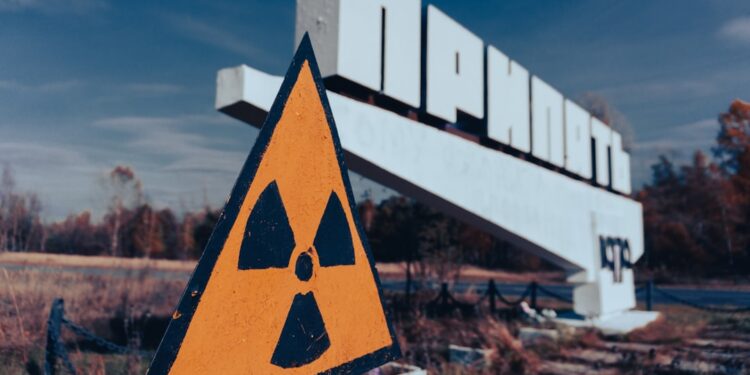
This article delves into the pressing need for nuclear waste storage solutions and the transformative potential of AI agents in knowledge work.

The world is at a crossroads, facing two pressing challenges that could shape the future of industry and environment: the management of nuclear waste and the rise of artificial intelligence (AI) agents. As nuclear energy gains renewed support, the need for effective waste management solutions becomes increasingly urgent. Meanwhile, AI agents are set to revolutionize the workforce, potentially transforming white-collar jobs. Together, these issues highlight the complexities of modern technological advancements and environmental responsibilities.
Interconnected Challenges: Energy Production and Technological Innovation
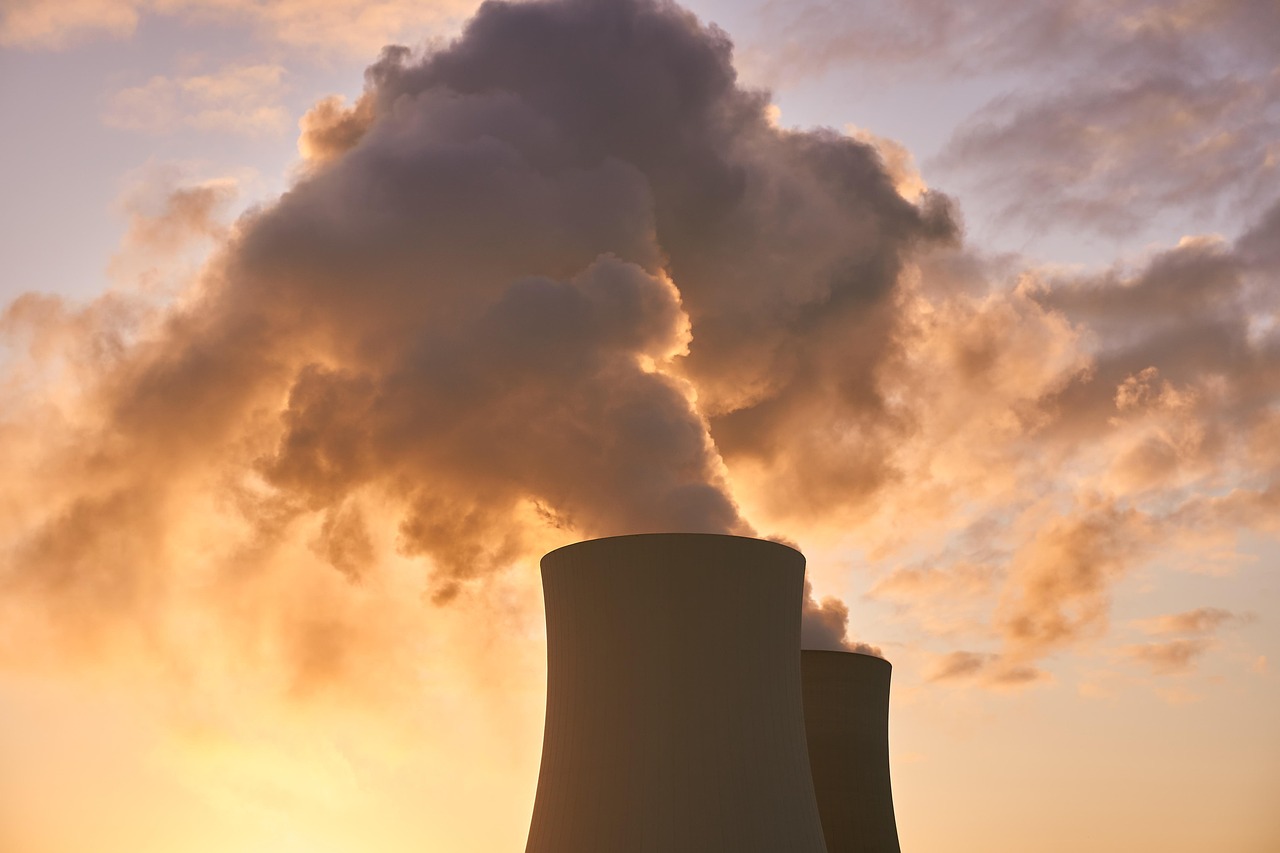
The dual challenges of nuclear waste management and the rise of AI agents are intertwined in a way that reflects broader trends in energy production and technological innovation. According to MIT Technology Review, nuclear reactors in the U.S. generate about 2,000 metric tons of high-level waste annually, yet there is no permanent storage solution in sight. This situation is compounded by the increasing investment in nuclear energy from major tech firms, driven by the growing demand for clean energy sources.
On the other hand, AI agents are emerging as powerful tools capable of performing complex tasks traditionally handled by humans. These agents can work collaboratively, much like assembly lines transformed manufacturing. As noted by app.daily.dev, tools such as Codex and Claude Cowork are paving the way for a future where AI agents could take over substantial parts of white-collar work. This convergence of energy and technology raises critical questions about safety, efficiency, and the future of work.
Environmental Risks and Economic Shifts
The environmental implications of nuclear waste management are profound. The lack of a permanent solution to store nuclear waste poses significant risks to public health and the environment. The U.S. government has yet to establish a long-term storage facility, which has left waste stored at reactor sites across the country. This situation is not only unsustainable but also politically contentious, as local communities often resist hosting such facilities.
Economically, the investment in nuclear energy by tech giants reflects a shift in how energy is viewed. As pressure mounts to reduce carbon emissions, nuclear energy is seen as a viable alternative. However, without addressing the waste issue, this shift could lead to more significant problems down the line. Companies must balance the economic benefits of nuclear energy with the long-term costs of waste management, as highlighted by onmine.io.
You may also like
 Entrepreneurship & Business
Musk and Altman Clash Over OpenAI’s Future | Career Outlook
The ongoing trial between Elon Musk and Sam Altman raises critical questions about the future of OpenAI and the ethical landscape of AI development. This…
Read More →This convergence of energy and technology raises critical questions about safety, efficiency, and the future of work.
Meanwhile, the rise of AI agents offers both opportunities and challenges for the economy. As these agents become more capable, they could enhance productivity and efficiency across various sectors. However, this transformation could also lead to job displacement, with many traditional roles at risk of automation. The debate continues on how to manage this transition, with some arguing for retraining programs to help displaced workers.

Safety Concerns and Ethical Considerations
There is an ongoing debate about the safety of nuclear energy versus its potential benefits. Advocates argue that nuclear power is essential for achieving energy independence and combating climate change. However, opponents highlight the dangers associated with nuclear waste and the potential for catastrophic accidents. According to cdotimes.com, these concerns have led to calls for stricter regulations and more transparent communication from energy companies regarding their waste management strategies.
Similarly, the rise of AI agents has sparked discussions about ethical considerations and the future of work. While many view AI as a tool for innovation, others raise concerns about privacy, security, and the implications of relying on machines for critical tasks. The potential for AI to make decisions without human oversight poses significant ethical questions that society must address as technology evolves.
The contradiction lies in the need for innovation while ensuring safety and ethical standards. Balancing these priorities will be crucial as both nuclear energy and AI technologies continue to develop.
You may also like
 AI & Technology
Sam Altman’s Leadership Under Scrutiny Amid Legal Battles
Sam Altman's leadership at OpenAI is under intense scrutiny due to legal challenges from Elon Musk, raising critical questions about the company's future and the…
Read More →Collaborative Solutions for Future Challenges
Addressing the future of nuclear waste management and AI agents will require collaborative efforts from governments, industries, and communities. For nuclear waste, developing a comprehensive strategy that includes public engagement and transparent decision-making will be essential. Countries like Finland have made strides with their deep geological repository, which could serve as a model for others.
Similarly, the rise of AI agents has sparked discussions about ethical considerations and the future of work.
In the realm of AI, establishing ethical guidelines for the deployment of AI agents will be vital. As these technologies become more integrated into daily life, ensuring that they are used responsibly will determine their acceptance and effectiveness. The potential for AI to enhance productivity must be balanced with the need to protect jobs and ensure equitable access to new opportunities.
Preparing the Workforce for Emerging Trends
As industries evolve due to the pressures of nuclear waste management and the rise of AI, workers will need to adapt. Skills in technology management, environmental science, and ethical AI implementation will be increasingly valuable. Young professionals entering the workforce should focus on developing interdisciplinary skills that bridge the gap between technology and environmental stewardship. This adaptability will be key to thriving in a rapidly changing job market.