No products in the cart.

Tailoring AI Solutions for Health Care Needs

AI is reshaping health care by addressing complex challenges through tailored solutions. This article explores the impact and future of AI in health care.

AI’s Transformative Impact on Health Care
Health care is undergoing a significant transformation, thanks to artificial intelligence (AI). This technology is not just about automating tasks; it fundamentally changes how health care is delivered. AI is being harnessed to tackle some of the sector’s most pressing challenges, including financial pressures and labor shortages, which are exacerbated by an aging population that demands more complex care.
AI applications in health care are diverse, ranging from diagnostic tools to administrative support. The U.S. Food and Drug Administration has approved over 1,300 AI-enabled medical devices, primarily for diagnostic imaging. This rapid expansion indicates a shift towards more data-driven health care solutions, enhancing both the efficiency and effectiveness of patient care.
Building Effective AI Solutions
Creating effective AI solutions for health care requires a deep understanding of the clinical environment. Developers must align their technologies with the specific needs of health care providers. Successful AI applications must address unique clinical requirements while also considering the regulatory landscape. Collaboration with health care professionals is crucial to ensure that solutions truly meet their needs.
However, the integration of AI into health care systems is not without challenges. Many organizations are hesitant to adopt immature AI tools, fearing they may compromise patient safety. A survey found that 77% of providers view poorly designed AI applications as a significant barrier to adoption, highlighting the need for robust validation processes and ongoing training for AI systems.
Successful AI applications must address unique clinical requirements while also considering the regulatory landscape.
Opportunities for Enhanced Patient Care
The potential benefits of AI in health care are substantial. AI can streamline administrative tasks, reduce caregiver burden, and enhance patient outcomes. A recent study indicated that 72% of health care leaders prioritize AI to improve caregiver satisfaction and operational efficiency. By automating routine tasks, AI can free up valuable time for health care professionals, allowing them to focus more on patient care.
You may also like
 Education & University Insights
Australia’s New International Education Framework: A Structural Shift in Visa Outcomes and Global Competitiveness
Australia’s tightened student‑visa framework redirects the nation’s education economy toward high‑skill entrants, reshaping institutional power dynamics and redefining career pathways for international learners.
Read More →Moreover, AI’s ability to analyze vast amounts of data can lead to more personalized treatment plans. Tailored medical solutions can significantly improve patient care by addressing individual health needs, making personalized medicine a standard expectation among patients.
Navigating Ethical and Access Challenges
Despite the promising potential of AI in health care, significant contradictions and challenges remain. One major issue is the disparity in access to AI technologies among different health care systems. Larger institutions may have the resources to invest in advanced AI tools, while smaller practices may struggle to keep pace, potentially widening the gap in health care quality and access.
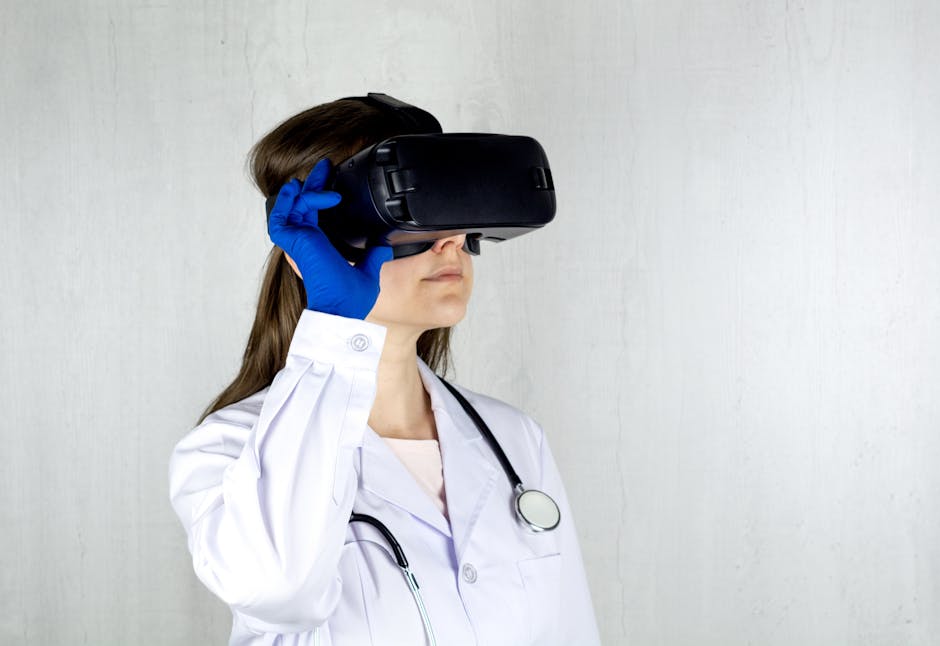
Additionally, ethical implications arise as AI systems become more integrated into patient care. Concerns about data privacy and algorithmic bias must be navigated carefully to maintain patient trust and ensure equitable access to care. Ongoing discussions about these issues are critical for shaping future policies and practices in AI deployment.

Future Directions for AI in Health Care
The future of AI in health care looks promising yet complex. As technology continues to advance, we can expect to see even more innovative applications that address the unique challenges of the sector. Collaboration between tech developers and health care providers will be essential in crafting solutions that enhance patient care while ensuring safety and compliance with regulations.
Ongoing discussions about these issues are critical for shaping future policies and practices in AI deployment.
Moreover, the regulatory landscape will likely become more defined in the coming years. As lawmakers and health care leaders engage in discussions about AI, clearer guidelines will emerge, helping to streamline the adoption of these technologies and fostering an environment where AI can flourish.
Career Opportunities in AI-Driven Health Care
You may also like
 Entrepreneurship & Business
VR Meeting Rooms Are Redefining Remote Collaboration
Immersive VR meeting rooms are already improving idea generation and cutting travel costs, but adoption hurdles like cost, privacy, and motion sickness mean they will…
Read More →For young professionals entering the health care field, understanding AI’s impact is crucial. As AI continues to reshape health care delivery, new career opportunities will arise. Roles in data analysis, AI development, and health informatics will become increasingly important. Professionals who can bridge the gap between technology and health care will be in high demand, making it essential for aspiring workers to build skills in both areas.