No products in the cart.

AI Revolutionizes Frontline Nursing | Workforce Shift

AI is set to transform frontline nursing, enhancing efficiency, decision-making, and patient care. This article delves into the implications of AI in healthcare.

Transforming the Nursing Landscape
The nursing profession stands on the brink of a transformative era. As healthcare systems worldwide grapple with increasing demands, the integration of artificial intelligence (AI) offers a promising solution. Analysts suggest that AI has the potential to enhance patient care and streamline administrative tasks, allowing nurses to focus more on direct patient interaction. This shift is not just about technology; it is about redefining the role of nurses in the healthcare ecosystem.
AI tools are being developed to support nurses in decision-making processes, significantly alleviating their workload. By automating routine tasks, such as data entry and scheduling, AI allows nurses to dedicate more time to patient care. This change is crucial as the nursing workforce faces growing challenges, including staff shortages and increasing patient loads.
Furthermore, the adoption of AI in nursing is expected to improve overall patient outcomes. With AI’s ability to analyze vast amounts of data quickly, nurses can receive real-time insights that enhance their clinical decisions. This capability not only boosts efficiency but also fosters a more proactive approach to patient care.
Enhancing Patient Care Through AI
The integration of AI into nursing practices is poised to revolutionize how care is delivered. AI can assist in monitoring patients’ conditions and predicting potential complications before they arise. For instance, predictive analytics can identify at-risk patients based on historical data, enabling nurses to intervene early. This proactive care model can lead to better health outcomes and reduced hospital readmission rates.
Moreover, AI-driven tools can enhance communication between healthcare providers and patients. Chatbots and virtual assistants can provide patients with immediate answers to their queries, thereby reducing the burden on nursing staff. This technology not only improves patient satisfaction but also empowers patients to take an active role in their care.
As the complexity of patient needs increases, so does the demand for innovative solutions that can support nurses in their critical roles.
You may also like
 Education & University Insights
NCERT Withdraws Class 8 Textbook Amid Judicial Corruption Controversy
NCERT has withdrawn a controversial Class 8 textbook after criticism from the Chief Justice of India regarding its content on judicial corruption. This decision raises…
Read More →According to Applied Science Commons, the ongoing development of AI technologies in nursing is not merely an enhancement but a necessity in modern healthcare. As the complexity of patient needs increases, so does the demand for innovative solutions that can support nurses in their critical roles.
However, while AI offers significant benefits, it also raises important ethical considerations. The reliance on AI for patient care decisions must be carefully managed to ensure that human oversight remains paramount. Nurses must be trained to interpret AI-generated insights effectively, balancing technology with their clinical expertise.
Overcoming Barriers to AI Adoption
The journey toward integrating AI in nursing is fraught with challenges. One major hurdle is the need for adequate training and education for the nursing workforce. As AI tools become more prevalent, nurses must be equipped with the skills to utilize these technologies effectively. This includes understanding the data behind AI algorithms and being able to communicate findings to patients and colleagues.
Additionally, there is a significant investment required in technology and infrastructure to support AI implementation. Healthcare organizations must prioritize funding for these advancements to reap the benefits of AI. This investment is not just in hardware but also in ongoing training and support for nursing staff.
Despite these challenges, the potential for AI to enhance nursing practice is immense. As organizations begin to see the value of AI in improving efficiency and patient outcomes, there is likely to be a push for broader adoption across the industry. This trend could lead to a more collaborative healthcare environment where nurses and AI work together to provide optimal care.
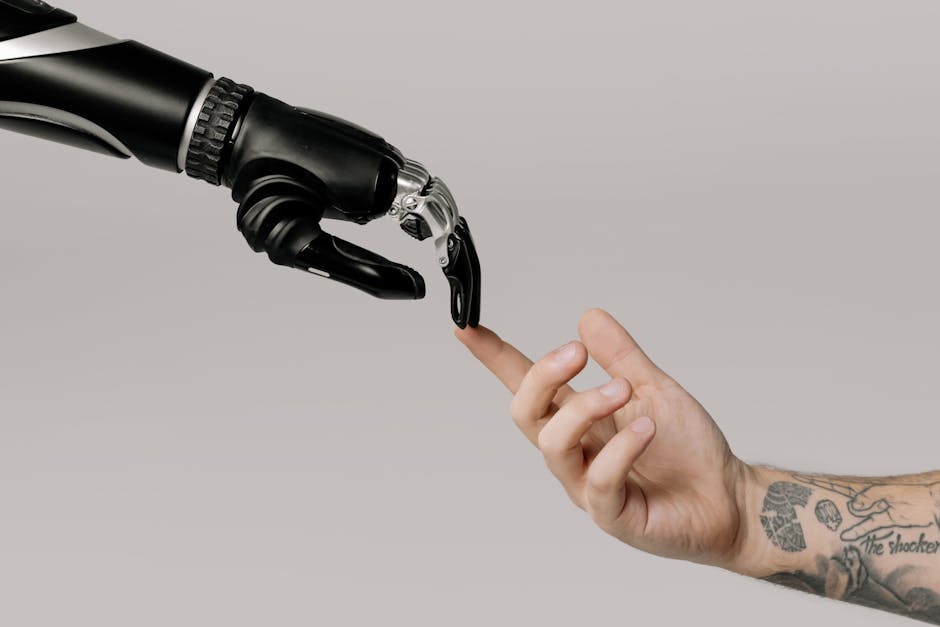
According to My American Nurse, the fear of job displacement must be addressed through education and training, ensuring that nurses are prepared for the changing landscape.
Moreover, the COVID-19 pandemic has accelerated the adoption of digital health solutions, creating a more favorable environment for AI integration. As healthcare continues to evolve, the role of AI in nursing will likely expand, creating new opportunities for innovation and collaboration.
You may also like
 Entrepreneurship & Business
The Costs of Centralized Decision-Making in Global Firms
Centralized decision-making hinders global companies by stifling local insights and responsiveness. This article explores the implications and future of decentralized strategies.
Read More →Debates Surrounding AI in Nursing
The integration of AI in nursing is not without its controversies. One significant debate centers around the potential for AI to replace human jobs. While some argue that AI will lead to job losses in nursing, others contend that it will create new roles focused on technology management and patient interaction. According to My American Nurse, the fear of job displacement must be addressed through education and training, ensuring that nurses are prepared for the changing landscape.
Another area of contention is the ethical implications of AI in healthcare. Issues such as data privacy, algorithmic bias, and the potential for errors in AI decision-making are critical concerns. Stakeholders must engage in ongoing discussions about how to balance the benefits of AI with the need for ethical standards in patient care.

The debate over AI’s role in nursing also extends to the broader healthcare policy landscape. Policymakers must consider regulations that protect patient rights while fostering innovation. This balance is crucial as the healthcare system adapts to the increasing presence of AI technologies.
Preparing for the Future of Nursing
The future of nursing in the age of AI is both exciting and uncertain. As technology continues to advance, the role of nurses will evolve significantly. Embracing AI will not only enhance patient care but also redefine the professional landscape for nurses. The next decade may see a shift towards a more collaborative model where nurses and AI work side by side.
This trend will likely lead to a reevaluation of nursing education programs, emphasizing the importance of technological literacy alongside clinical skills.
Furthermore, as healthcare systems worldwide begin to prioritize AI integration, we can expect to see a surge in demand for nurses who are proficient in technology. This trend will likely lead to a reevaluation of nursing education programs, emphasizing the importance of technological literacy alongside clinical skills.
You may also like
 Education & University Insights
MCC NEET PG 2025 Round 1 Seat Allotment: 26,889 Medical Seats Allocated, Candidates Must Report by December 1
The Medical Counselling Committee has allotted 26,889 seats in the first round of NEET PG 2025 counseling. Candidates must report to their colleges by December…
Read More →In addition, the ongoing development of AI tools will continue to shape the nursing profession. Innovations that facilitate better patient monitoring, communication, and data analysis will become integral to nursing practice. This evolution will require a commitment from healthcare organizations to invest in training and resources for their nursing staff.