No products in the cart.

Navigating the New World of Career Portfolios in 2025
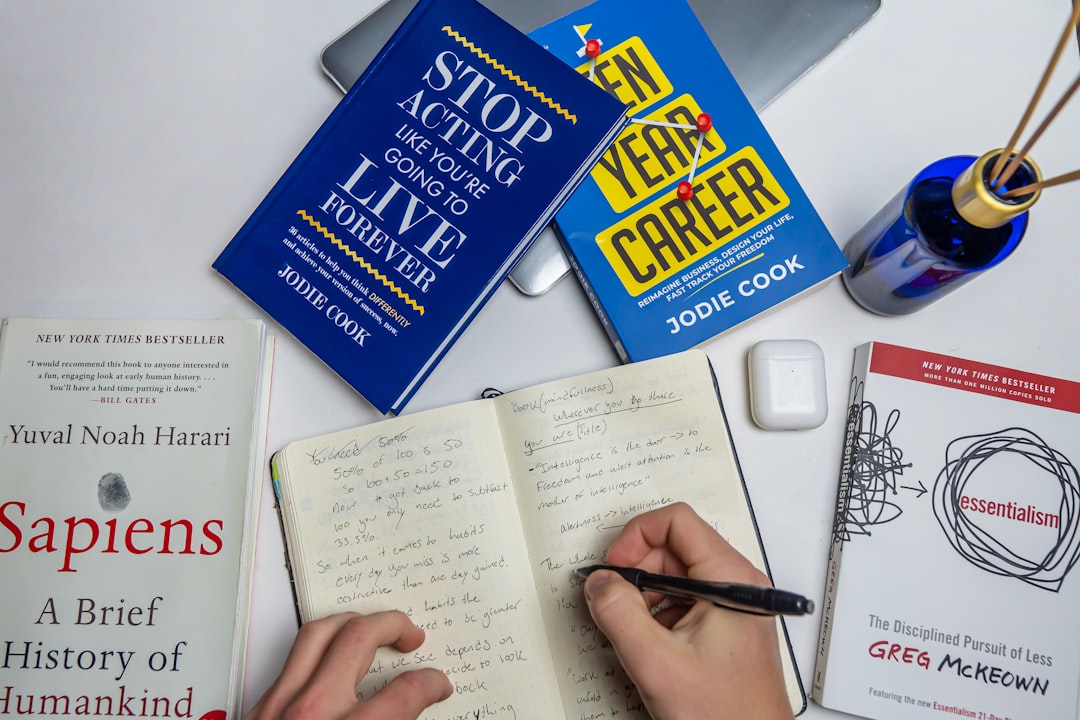
Explore the essentials of building a career portfolio in 2025, including skill combination strategies and client acquisition methods.

New York, USA — As the workforce evolves, the traditional career path is giving way to more dynamic and multifaceted career portfolios. In 2025, professionals are increasingly expected to curate a collection of skills, experiences, and achievements that reflect their unique capabilities. This shift highlights not just adaptability but also the need for strategic planning in career development.
A career portfolio serves as a visual representation of an individual’s professional journey. It encompasses various elements, including résumés, certificates, project samples, and even references. The concept is not new; however, its importance has surged as employers seek candidates who can demonstrate diverse competencies and innovative thinking.

The modern career portfolio is particularly relevant in a gig economy where job security is less stable. According to a report by the International Labour Organization, over 36% of workers globally are engaged in some form of non-standard employment, a trend that is expected to rise in the coming years [1]. This reality necessitates a proactive approach to personal branding.
Defining a Career Portfolio
A career portfolio is not merely a collection of documents; it is a strategic tool for marketing oneself in the labor market. It enables professionals to showcase their abilities and achievements while allowing potential employers to understand their personal brand. In 2025, a well-crafted portfolio can be the differentiator in a competitive job landscape.
 Business
FirstEnergy Reports Q3 2025 Earnings: A Financial Overview
FirstEnergy has released its financial results for Q3 2025, revealing significant insights into its performance and future outlook.
Read More →The elements of a career portfolio can vary depending on industry and individual goals. Key components typically include:
It enables professionals to showcase their abilities and achievements while allowing potential employers to understand their personal brand.
- Résumé: A tailored résumé that highlights relevant experience and skills.
- Work Samples: Examples of previous work, such as designs, reports, or projects.
- Certifications: Relevant certifications that validate skills and expertise.
- References: Testimonials from clients or employers that attest to one’s abilities.
- Personal Branding Statement: A brief statement that encapsulates one’s professional identity and career goals.
Building a Robust Career Portfolio
Creating a portfolio that stands out requires careful planning and execution. Here are strategies to effectively assemble a career portfolio that resonates with employers:
1. Identify Your Unique Skills
Understanding what makes you unique is crucial. Conduct a self-assessment to identify your strengths, soft skills, and technical abilities. Tools like the CliftonStrengths assessment can help clarify your core competencies [2]. Combine this with industry research to ensure your skills align with market demands.
2. Curate Diverse Experiences
Your portfolio should reflect a blend of experiences. Engage in freelance projects, internships, or volunteer work that allows you to apply your skills in different contexts. For instance, a graphic designer might take on roles in marketing or branding to enhance their portfolio with varied perspectives.
3. Leverage Technology
Digital tools can facilitate the creation of an engaging portfolio. Platforms like Behance and LinkedIn offer excellent opportunities for showcasing work visually and connecting with potential clients or employers. Moreover, using a personal website can serve as a centralized hub for your portfolio, making it easily accessible.
 Child Development
Rethinking Consumption: The Path to Sustainable Choices
This feature delves into the ethics and psychology of conscious consumption, highlighting the need for sustainable choices. Discover how to…
Read More →4. Client Acquisition Strategies
In the gig economy, attracting clients is paramount. Networking remains a powerful tool. Join industry-specific forums and attend events to meet potential clients. Additionally, leveraging social media platforms can amplify your outreach. Regularly sharing insights or showcasing work can position you as a thought leader in your field.
5. Financial Management
Financial literacy is an often-overlooked aspect of career portfolio management. As freelancers or gig workers often juggle multiple income streams, understanding budgeting, invoicing, and tax implications is critical. Resources like the IRS website provide guidelines tailored for self-employed individuals [3].
Engage in freelance projects, internships, or volunteer work that allows you to apply your skills in different contexts.
Future Trends in Career Portfolios
Looking ahead, the trend towards personalized career portfolios will likely intensify. As artificial intelligence and automation reshape the job market, professionals will need to continuously update their portfolios to stay relevant. For instance, incorporating data-driven achievements can illustrate the impact of one’s work in quantifiable terms.
Moreover, the rise of virtual reality (VR) and augmented reality (AR) may redefine how portfolios are presented. Imagine immersing a potential employer in a VR experience showcasing your work in real-time scenarios. This innovative approach could make portfolios not just informative but also interactive.
 Career
SEBI Chairman Visits BSE booth at IITF 2025, Applauds Efforts in Strengthening Investor Education
On the opening day of IITF 2025, SEBI Chairman Tuhin Kanta Pandey visited the BSE stall—praising its dynamic “Bharat Ka…
Read More →In conclusion, the landscape of career development is shifting rapidly. A well-structured career portfolio is no longer optional but essential for navigating the complexities of the modern workforce. As professionals embrace continual learning and adaptation, the portfolio will serve as a vital tool in securing future opportunities.