No products in the cart.

Harnessing Predictive Modeling for Climate Resilience
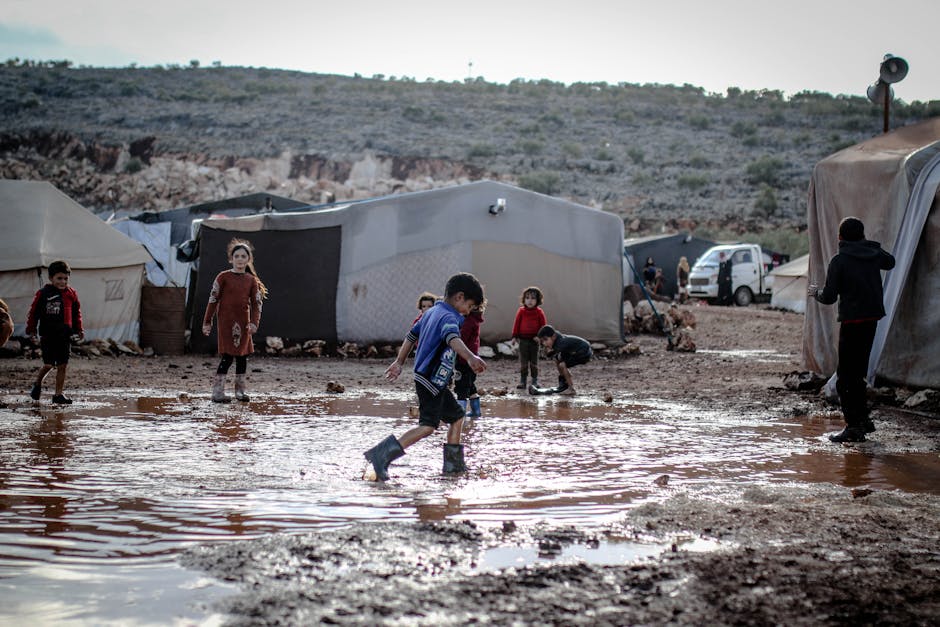
Discover how predictive modeling and community-based strategies are vital for climate resilience, shaping our future amidst ongoing global challenges.

San Francisco, USA — As climate change accelerates, cities and communities worldwide are racing to develop resilience strategies. Central to these efforts is the integration of predictive modeling and adaptation technologies.
The urgency is palpable. The Intergovernmental Panel on Climate Change (IPCC) reports that unless significant action is taken, global temperatures could rise by 1.5 degrees Celsius as early as 2030. This alarming trend underscores the need for innovative approaches to climate resilience. Cities like San Francisco are at the forefront, leveraging data-driven insights to prepare for the future.

Predictive modeling employs complex algorithms and vast datasets to forecast climate impacts. These models analyze variables such as temperature shifts, sea-level rise, and extreme weather events. For instance, the California Department of Water Resources utilizes predictive analytics to manage water resources, assessing drought risks based on historical climate patterns and forecasting future availability. This proactive stance enables officials to make informed decisions about water conservation and infrastructure investment.
Adaptation technologies further enhance resilience. Tools like geographic information systems (GIS) allow urban planners to visualize potential climate impacts and design effective mitigation strategies. In Miami, for example, city planners use GIS to identify areas vulnerable to flooding, enabling targeted infrastructure improvements and community engagement initiatives.
For instance, the California Department of Water Resources utilizes predictive analytics to manage water resources, assessing drought risks based on historical climate patterns and forecasting future availability.
Community-based approaches are equally crucial. Local governments and organizations are increasingly involving residents in resilience planning. Initiatives such as participatory budgeting empower communities to prioritize climate-related projects. According to a report by the Urban Institute, communities that engage residents in decision-making processes are better positioned to adapt to climate change and build long-term resilience.
However, challenges remain. Access to technology and data often varies significantly between communities. Wealthier areas may have the resources to implement advanced modeling and technology, while low-income neighborhoods face barriers. This disparity can exacerbate existing vulnerabilities, making it essential for policymakers to address equity in climate resilience efforts.
Moreover, predictive models are only as good as the data they rely on. Inaccuracies can lead to misguided policies that fail to address the needs of the most affected populations. A study published in the journal Nature Climate Change highlights the importance of incorporating local knowledge into predictive models, ensuring they reflect the unique characteristics of each community.
Looking ahead, the integration of artificial intelligence (AI) into predictive modeling holds tremendous promise. AI can analyze vast datasets more efficiently, uncovering patterns and insights that traditional methods may overlook. For example, researchers at Stanford University are exploring how machine learning can improve climate predictions, potentially revolutionizing how we approach resilience planning.
You may also like
 Economic Development
Core Industries Drive Growth in India’s Economy
India's core industries grew 3% in September 2025, driven by steel, cement, and electricity. This growth signals positive economic trends.
Read More →Furthermore, as businesses increasingly recognize the risks posed by climate change, there is a growing trend toward corporate responsibility. Companies are investing in sustainable practices and technologies, driven by consumer demand for environmentally conscious products. This shift not only enhances their competitiveness but also contributes to broader climate resilience efforts.
For example, researchers at Stanford University are exploring how machine learning can improve climate predictions, potentially revolutionizing how we approach resilience planning.
In conclusion, the path to climate resilience is multifaceted, requiring collaboration across sectors and communities. As predictive modeling and adaptation technologies continue to evolve, they will play a pivotal role in shaping our response to climate change. The future depends on our ability to integrate these innovations into comprehensive strategies that prioritize equity, sustainability, and community engagement.