No products in the cart.

The Digital Memory Makers: Social Media’s Role in Shaping Our Past

Social media platforms play a crucial role in shaping our collective memory, impacting how we perceive history and identity.

San Francisco, USA — The Memory Makers of Our Time
As we scroll through our feeds, we often overlook a profound truth: social media is not just a platform for sharing moments; it’s a curator of collective memory. From Instagram’s carefully filtered snapshots to Twitter’s rapid-fire news updates, these platforms shape our perceptions of history and identity.
In a world where information flows at lightning speed, social media has become the primary lens through which younger generations view the past. According to a 2023 Pew Research study, 70% of users aged 18-29 rely on social media for news, shaping their understanding of current events and historical context alike[1].
The Curation of History
Social media platforms employ algorithms to curate content that resonates with users, effectively creating a personalized historical narrative. This curation is not neutral; it reflects the biases of both the algorithms and the users themselves. A post that gains traction often does so because of its emotional appeal, not necessarily its factual accuracy.
For instance, during the Black Lives Matter protests in 2020, social media played a vital role in mobilizing support and disseminating information. Videos of protests went viral, creating a collective memory of the movement that emphasized urgency and activism[2]. However, this same mechanism can lead to the spread of misinformation, as sensationalized posts often outshine factual reporting.
The Curation of History Social media platforms employ algorithms to curate content that resonates with users, effectively creating a personalized historical narrative.
The Impact on Identity
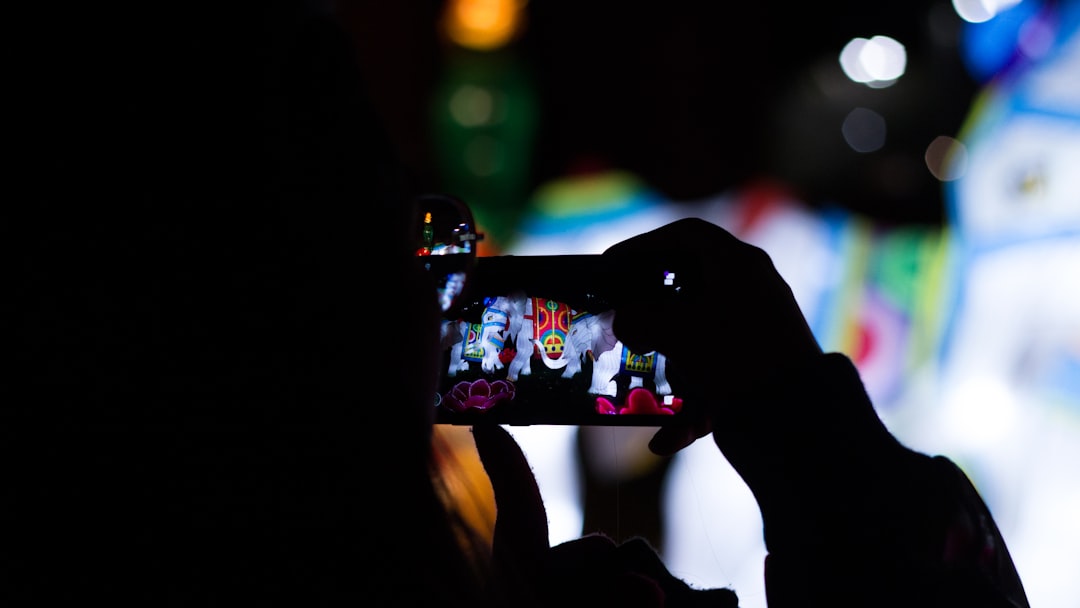
Our identities are increasingly tied to our online presence. Social media allows individuals to craft narratives about themselves, sharing curated experiences that contribute to a collective memory. This is particularly evident among younger users, who often use platforms like TikTok and Snapchat to express their identities and document their realities.
Research from the University of California, Los Angeles, highlights that the portrayal of personal experiences on social media can influence self-perception and group identity. Users often seek validation through likes and shares, reinforcing a specific narrative of who they are[3].
Counterpoints: Whose Memory Is It Anyway?
Critics argue that social media’s role in shaping collective memory may marginalize certain voices. The focus on popular content can overshadow important but less sensational narratives, skewing public perception of history. For example, indigenous perspectives on historical events are often underrepresented, leading to a homogenized view of the past that fails to acknowledge diverse experiences[4].
You may also like
 Career Development
LinkedIn’s 15 Essential Skills for High-Paying Jobs in 2025
LinkedIn reveals 15 must-have skills for high-paying jobs in 2025. Learn what you need to succeed in the evolving job market.
Read More →Moreover, the ephemeral nature of social media posts raises questions about permanence. Unlike traditional media, which often undergoes rigorous editorial processes, social media content can be deleted or altered, leading to gaps in our collective memory.
The focus on popular content can overshadow important but less sensational narratives, skewing public perception of history.
Looking Ahead: The Future of Digital Memory
As we move deeper into the digital age, the implications of social media’s role in shaping memory become increasingly significant. The challenge lies in fostering a more inclusive narrative that recognizes varied perspectives and experiences. Educational institutions and content creators have a pivotal role in curating historical content that reflects a broader spectrum of voices.
In this era of information overload, critical thinking is essential. Users must navigate the digital landscape with discernment, questioning the sources and motives behind the content they consume. The responsibility lies not only with platforms but also with users to shape a collective memory that is reflective, inclusive, and accurate.