No products in the cart.

Unlocking the Brain’s Creative Potential
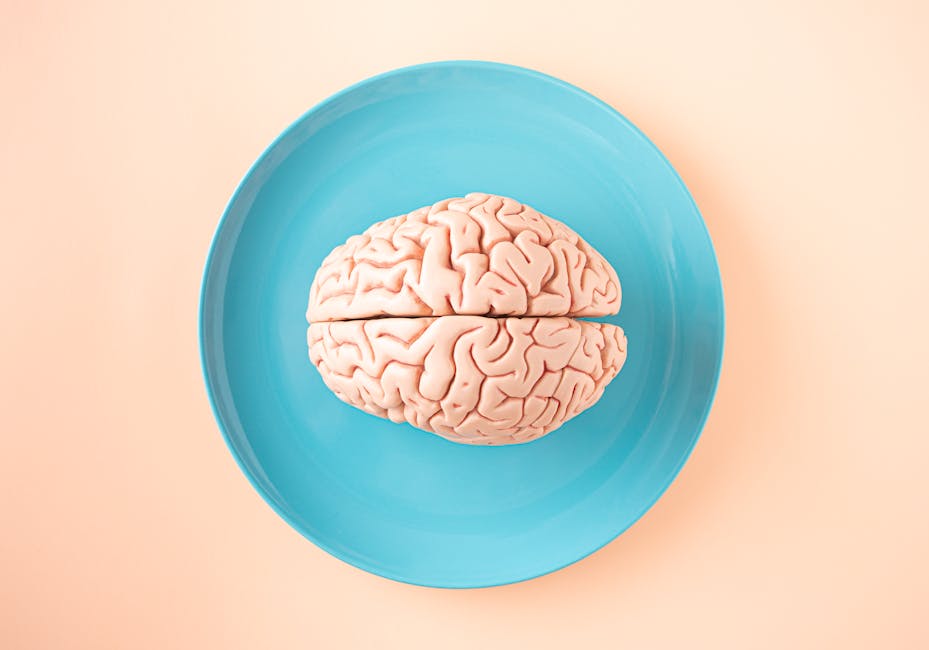
Delve into the neuroscience of creativity and learn how to harness your brain's potential for innovation and problem-solving.

San Francisco, USA — creativity is often seen as an elusive quality, a spark that ignites the imagination. Yet, recent advances in neuroscience are demystifying this phenomenon, revealing the intricate workings of the brain that lead to inspiration and innovative problem-solving. understanding these processes can empower individuals to enhance their creative capabilities.
The human brain, with its complex network of neurons, is at the center of our creative endeavors. Studies have shown that creativity is not confined to a single area; rather, it involves multiple regions working in concert. The default mode network (DMN), which is active during daydreaming and mind-wandering, plays a crucial role in generating novel ideas. Meanwhile, the executive control network (ECN) helps refine and implement those ideas, ensuring that creativity translates into actionable solutions.

Research published in the journal Nature Reviews Neuroscience highlights the importance of divergent thinking—the ability to generate multiple solutions to a problem. This cognitive process is essential for creativity, allowing individuals to explore various avenues before converging on the best solution. A study conducted by neuroscientists at the University of California, Berkeley, found that engaging in activities that promote divergent thinking, such as brainstorming sessions or creative writing, can enhance brain connectivity, leading to improved creative output [1].
 Data Science
The Rise of the Portfolio Career: Managing Multiple Income Streams
The rise of portfolio careers is reshaping work dynamics, offering flexibility and diverse income sources. Discover how to navigate this…
Read More →Moreover, the role of emotions in fostering creativity cannot be overlooked. Emotional experiences can serve as catalysts for creative thought. A positive emotional state, for instance, has been linked to increased openness to new ideas and experiences. Research from the University of Amsterdam found that individuals who engaged in activities that elicited positive emotions were more likely to produce original and innovative ideas [2].
This cognitive process is essential for creativity, allowing individuals to explore various avenues before converging on the best solution.
However, creativity is not solely an innate trait; it can be cultivated. Techniques such as mindfulness meditation have been shown to enhance creative thinking by promoting a relaxed state of mind, allowing for greater cognitive flexibility. A study published in the journal Psychological Science demonstrated that participants who practiced mindfulness meditation exhibited higher levels of creativity compared to those who did not [3].
Organizations are beginning to recognize the importance of fostering a creative culture. Companies like Google and IDEO have implemented policies that encourage experimentation and risk-taking, understanding that innovation thrives in environments where creativity is nurtured. Google’s “20% time” policy, which allows employees to spend a portion of their workweek on personal projects, has led to the development of successful products like Gmail and Google News.
Furthermore, the gig economy has opened new avenues for creative professionals. Freelancers and entrepreneurs can leverage technology to showcase their work, collaborate with others, and access diverse markets. Platforms like Behance and Dribbble enable creatives to share their portfolios and connect with potential clients, democratizing access to creative opportunities.
 Education
UTEP Honors 30-Year Partnership with Paso del Norte Health Foundation
UTEP dedicates a terrace to the Paso del Norte Health Foundation, celebrating a 30-year collaboration focused on improving regional health.
Read More →Despite these advancements, challenges remain. The pressure to produce results can stifle creativity, leading to burnout and a fear of failure. Organizations must strike a balance between productivity and creative freedom. Encouraging a culture that values experimentation, where failure is viewed as a stepping stone to success, is essential for fostering innovation.
As we look to the future, the intersection of neuroscience and creativity presents exciting possibilities. Advances in brain imaging technology could provide deeper insights into the neural mechanisms underlying creative thought, paving the way for targeted interventions to enhance creativity across various fields. Educational institutions are also beginning to integrate creativity training into their curricula, preparing the next generation to thrive in an increasingly complex and dynamic world.
Google’s “20% time” policy, which allows employees to spend a portion of their workweek on personal projects, has led to the development of successful products like Gmail and Google News.
Ultimately, understanding the science behind creativity is not just an academic exercise; it has real-world implications. By harnessing the insights from neuroscience, individuals and organizations can unlock their creative potential, driving innovation and problem-solving in ways previously thought impossible. As we continue to explore the depths of the human brain, the future of creativity looks brighter than ever.