No products in the cart.

How AI Ethics Boards Are Shaping Industry Accountability
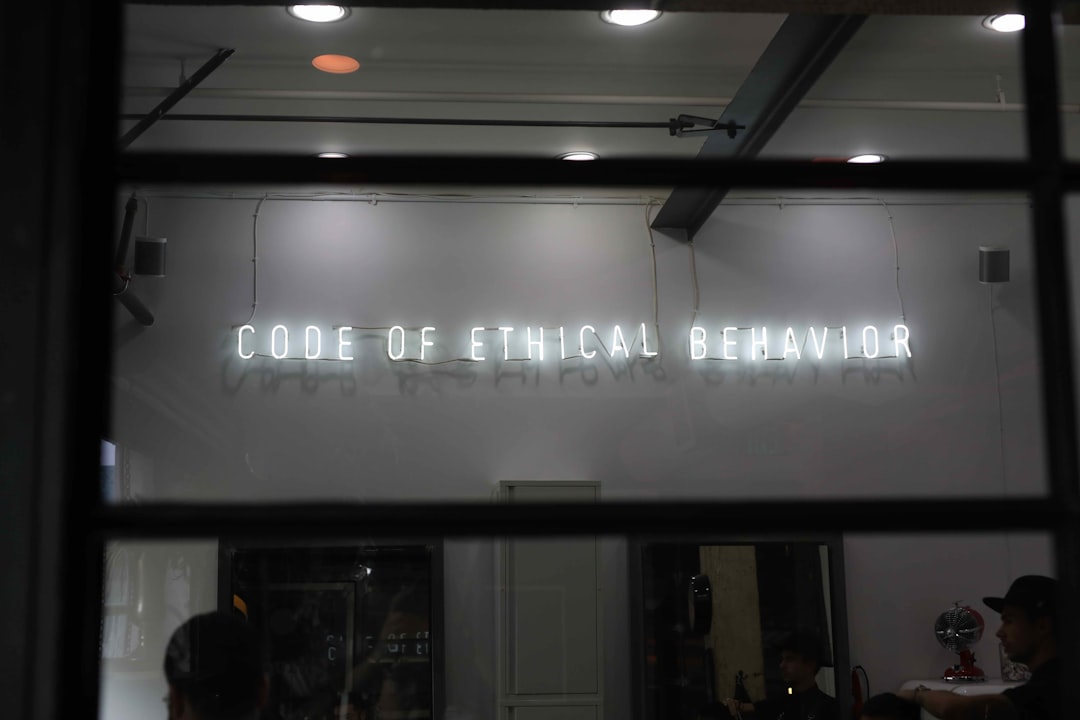
AI ethics boards are embedding accountability into tech development, reshaping corporate culture and influencing the future of work.

San Francisco, USA — As artificial intelligence (AI) technologies proliferate across sectors, organizations are increasingly establishing AI ethics boards to navigate the complex moral landscape of machine learning and automation. These boards aim to instill accountability in AI development processes, addressing concerns over bias, transparency, and societal impact.
The urgency for such governance structures has never been clearer. According to a recent report by McKinsey, over 80% of executives believe addressing ethical concerns in AI is crucial for long-term business success[1]. As more companies integrate AI into their operations, the potential for ethical missteps grows, making these boards essential to fostering trust among consumers, employees, and regulators.

AI ethics boards serve as a bridge between technological advancement and societal well-being. They are tasked with establishing frameworks that guide the responsible deployment of AI systems. This includes assessing algorithmic biases, ensuring data privacy, and promoting equitable access to technology. For instance, Google established its AI Principles in 2018, and has since set up an external advisory council to provide oversight on ethical concerns related to AI projects, although it faced criticism and disbanded the council in 2020 due to backlash from staff and advocates[2].
Understanding the broader implications of these boards is vital. They not only influence how AI is designed and implemented but also reflect a shift in corporate culture towards greater responsibility. Companies like Microsoft and IBM have made significant strides in this area, creating dedicated teams to ensure their AI practices align with ethical standards. Microsoft’s AI, Ethics, and Effects in Engineering and Research (AETHER) Committee is an example of a comprehensive approach to governance[3].
 Youth Empowerment
Reinventing Museums for the Digital Generation: A New Era of Engagement
Museums are embracing the digital age by offering interactive, immersive experiences that resonate with the younger generation, redefining how we…
Read More →From a business perspective, the establishment of AI ethics boards can enhance brand reputation and foster consumer loyalty.
Moreover, the push for AI ethics boards is increasingly becoming a regulatory requirement. In April 2021, the European Commission proposed regulations aimed at governing AI systems, signaling a shift towards formal accountability measures in the industry[4]. As governments worldwide contemplate similar regulations, organizations may soon find themselves compelled to adopt these boards as part of compliance efforts.
From a business perspective, the establishment of AI ethics boards can enhance brand reputation and foster consumer loyalty. A study by PwC found that 76% of consumers are concerned about the ethical implications of AI technologies, and they prefer to engage with companies that prioritize ethical practices[5]. This trend underscores the importance of transparency and accountability in maintaining a competitive edge.
On the other hand, implementing ethical governance structures is not without challenges. Companies must navigate a landscape fraught with diverse stakeholders, each with differing priorities and ethical frameworks. For instance, the tension between innovation and regulation can lead to friction within organizations that prioritize rapid development over ethical considerations.
Furthermore, there is the challenge of defining what constitutes ethical AI. While many organizations agree on the need for fairness and transparency, the specific criteria can vary widely. This lack of consensus may hinder the effectiveness of ethics boards if they do not have clear guidelines to follow.
 AI
AIIndia’s Deep-Tech Revolution: Unicorn India Ventures’ Impact on AI and Semiconductors
Unicorn India Ventures' Fund III is set to revolutionize the semiconductor and AI sectors in India, creating significant career opportunities…
Read More →In terms of future developments, AI ethics boards are likely to evolve. As the technology matures, so too will the frameworks that govern it. We can anticipate a greater emphasis on interdisciplinary collaboration, with ethicists, technologists, and legal experts working together to create comprehensive guidelines that address the multifaceted challenges posed by AI.
Moreover, the success of these boards will depend on their ability to influence organizational culture. Companies that integrate ethical decision-making into their core values will not only comply with regulations but also foster a more inclusive and responsible environment for innovation.
In terms of future developments, AI ethics boards are likely to evolve.
The conversation around AI ethics is also expected to expand beyond corporate walls. As public awareness of AI’s impact grows, stakeholders including consumers, advocacy groups, and policymakers will play a more prominent role in shaping ethical standards. Businesses will need to engage with these groups proactively to build trust and ensure that their AI practices align with societal expectations.
Looking ahead, the establishment of AI ethics boards could mark the beginning of a new era of corporate accountability in technology. As more organizations recognize the necessity of these governance structures, we may see a standardized approach to AI ethics that transcends industry boundaries, paving the way for a safer and more equitable technological landscape.
 Economy
Australia’s Housing Dilemma: The 5% Deposit Dream
Australia's new 5% deposit scheme offers hope but reveals deep housing challenges. Explore its impact on buyers and the economy.
Read More →In this rapidly evolving field, the question remains: how will companies balance innovation with responsibility? The answer may very well define the future of work and the integrity of the technologies that shape our lives.