No products in the cart.

Exploring the Arctic’s Economic Potential: Challenges and Opportunities
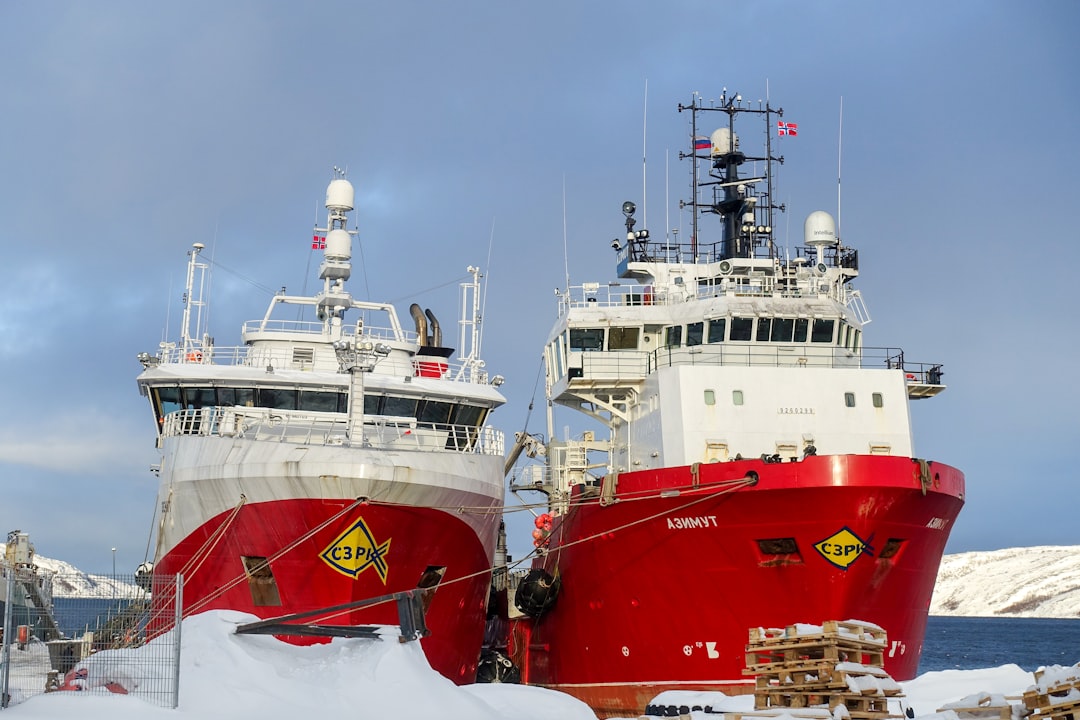
Explore the dynamic landscape of the Arctic economy, where geopolitics, sustainability, and indigenous rights converge, shaping the future of this vital region.

Reykjavik, Iceland — The Arctic region is on the brink of significant economic transformation. As climate change continues to open up new shipping routes and access to untapped natural resources, nations and corporations alike are eyeing the potential for growth. In 2023, the Arctic economy was valued at approximately $1 trillion, and projections suggest that figure could double by 2030 as investments in infrastructure and resource extraction ramp up.
This burgeoning economic interest in the Arctic is not just about profit. It intertwines with complex issues surrounding indigenous rights, environmental sustainability-at-the-un/” class=”ca-internal-link”>sustainability, and geopolitical tensions. The Arctic Council, consisting of eight member states, including the U.S., Canada, and Russia, has emphasized cooperation, yet the race for resources is intensifying.
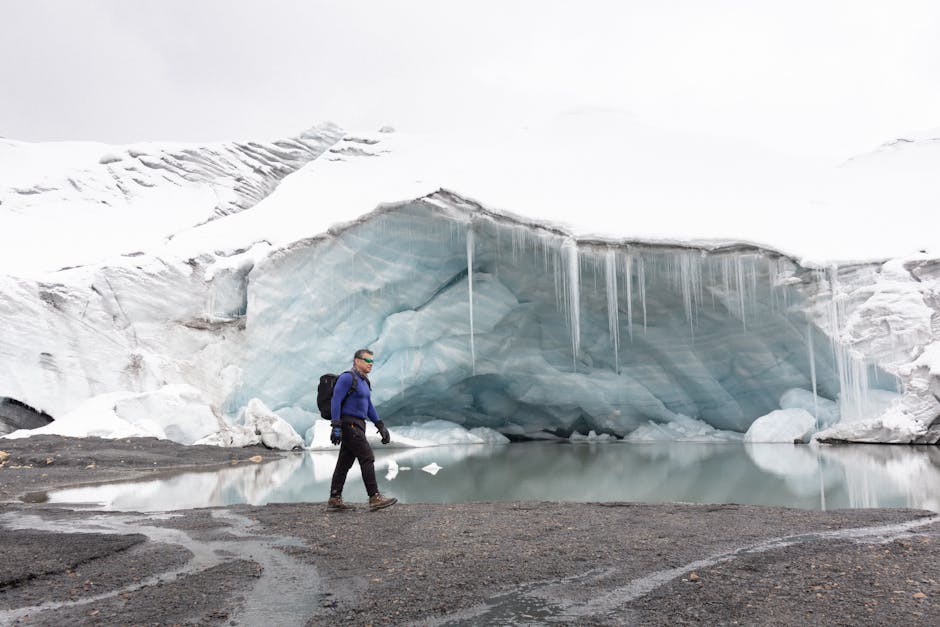
Understanding the challenges and opportunities in the Arctic economy is crucial now more than ever. As nations grapple with the implications of climate change, the Arctic serves as a microcosm for global economic shifts, making it essential for stakeholders to navigate this landscape thoughtfully. The region’s unique blend of natural beauty and economic potential presents both risks and rewards that could have far-reaching implications for local communities and international relations.
Context and Background
 Career Advice
Balancing Dual Roles: The Modern Career Dilemma
Explore the dynamics of holding dual roles in today's job market and its implications for young professionals navigating career ethics…
Read More →The Arctic has long been viewed as a remote and inhospitable region. However, melting ice caps are reshaping that perception. According to the National Snow and Ice Data Center (NSIDC), Arctic sea ice extent has declined by about 40% since the late 1970s, opening up new maritime routes like the Northern Sea Route and the Northwest Passage. These routes could reduce shipping times between Europe and Asia by up to 40%, making them increasingly attractive to global trade.
Understanding the challenges and opportunities in the Arctic economy is crucial now more than ever.
Furthermore, the Arctic is rich in natural resources. The U.S. Geological Survey estimates that approximately 13% of the world’s undiscovered oil and 30% of its undiscovered natural gas are located in the Arctic. This potential has prompted countries to assert their claims over territorial waters, leading to heightened geopolitical tensions. For instance, Russia has expanded its military presence in the region, while the U.S. has conducted Freedom of Navigation operations to challenge these claims.
Multiple Perspectives on the Arctic Economy
Proponents of economic development in the Arctic argue that responsible resource extraction could bring substantial benefits to local communities. Indigenous groups, such as the Inuit and Sámi, have historically relied on the land for their livelihoods. Renewable energy projects, sustainable fisheries, and tourism could create jobs and stimulate economic growth without compromising the environment.
However, critics caution against prioritizing economic interests over environmental sustainability and indigenous rights. The Arctic is an ecosystem vulnerable to rapid changes. According to a 2022 report by the Arctic Monitoring and Assessment Program, climate change is affecting traditional lifestyles, threatening food security, and increasing the frequency of extreme weather events. The impact on biodiversity could be irreversible if development is not managed carefully.
 Career Advice
Building an Internship Profile: A Key to Career Success
Creating an effective internship profile is crucial for job seekers. Discover actionable strategies to boost your career prospects.
Read More →Moreover, indigenous communities are often left out of decision-making processes regarding resource extraction. The Arctic Indigenous Peoples’ Association has called for greater inclusion in negotiations and a more substantial role in managing resources. This reflects a growing recognition that sustainable development must integrate indigenous knowledge and practices.
Looking Ahead
The future of the Arctic economy will depend on how stakeholders balance economic ambitions with environmental and social responsibilities. As countries invest in the region, the challenge will be to foster cooperation rather than competition. The 2023 Arctic Economic Forum highlighted the need for innovative governance models that respect indigenous rights and promote sustainable practices.
This reflects a growing recognition that sustainable development must integrate indigenous knowledge and practices.
In this evolving landscape, businesses will need to adopt adaptive strategies that prioritize sustainability. For instance, companies engaging in resource extraction should implement responsible practices that minimize environmental impact and enhance community engagement. Moreover, the push for green technologies could redefine the Arctic economy, attracting investment in renewable energy sources like wind and solar.
 Career Development
The Fallout from Assam’s Green Hydrogen Initiative: Implications for Job Creation
Assam's Green Hydrogen Initiative faced a setback, raising concerns about job creation in the energy sector. What does this mean…
Read More →Ultimately, the Arctic represents a complex interplay of opportunity and responsibility. As nations navigate these waters, the lessons learned will be crucial not only for the Arctic but for global economic practices. How the region is developed will set precedents for sustainable economic practices worldwide. The question remains: can nations come together to create a model for responsible growth that serves both the environment and the people who call the Arctic home?