No products in the cart.

India’s AI-Driven Rice Sorting: A Leap for Global Exports
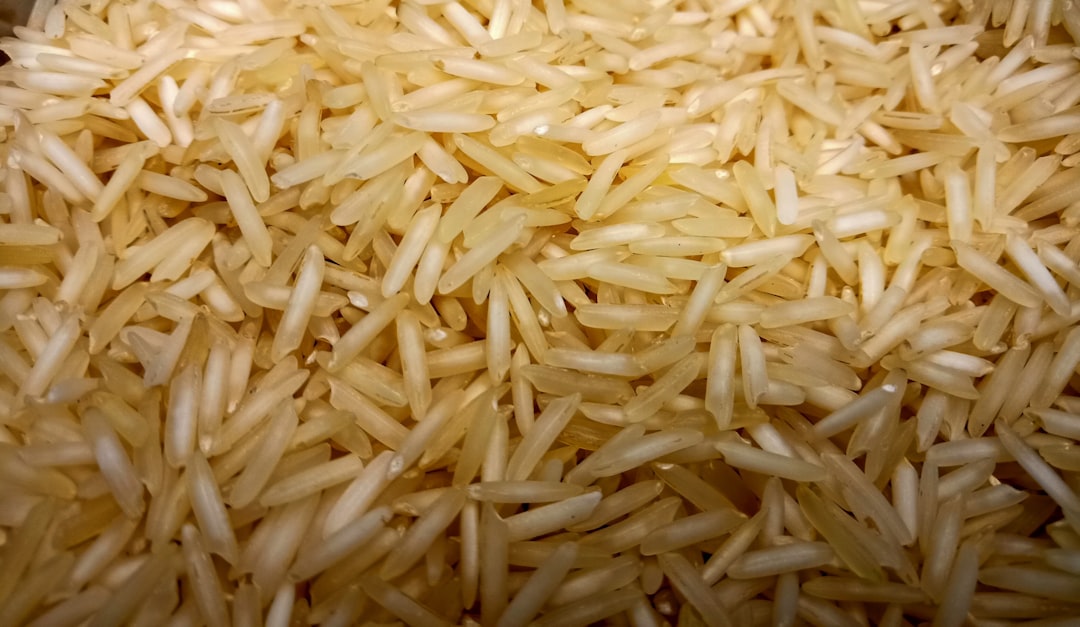
India is leveraging AI to transform rice sorting, enhancing export potential and agricultural efficiency.

New Delhi, India — At the 2025 Business innovation-fund/” class=”ca-internal-link”>innovation and Research Conference (BIRC), India unveiled cutting-edge artificial intelligence technology designed to revolutionize rice sorting. This initiative is not just about improving agricultural efficiency; it also signals a robust strategy to enhance India’s position in global food exports.
The introduction of AI in sorting rice could significantly reduce waste and increase quality, addressing both domestic needs and international market demands. India’s agricultural sector, which contributes approximately 18% to the nation’s GDP, is crucial for economic stability and food security. As the world faces increasing food supply challenges, innovations like these are timely and necessary.
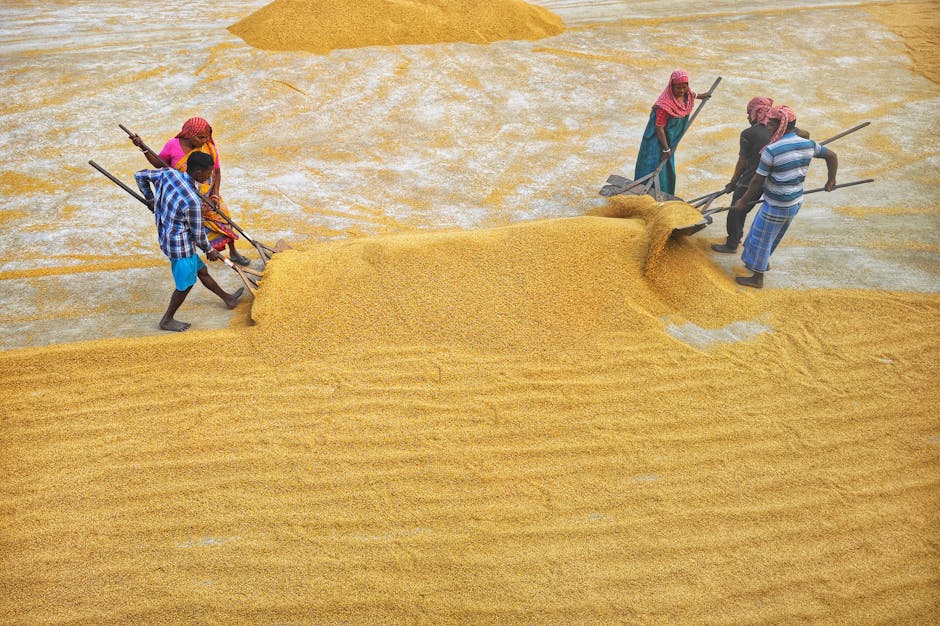
India’s push towards AI-driven agriculture is part of a broader national strategy to modernize farming practices. The country is the second-largest producer of rice globally, behind China, with an estimated production of over 177 million metric tons in 2022 according to the Food and Agriculture Organization (FAO). However, much of this potential is undermined by inefficiencies in sorting and grading processes, which often lead to significant quality loss.
 Child Development
First Book: Transforming Childhood Literacy Through Access
First Book is changing the landscape of childhood literacy by ensuring access to quality books for children, enhancing educational outcomes…
Read More →The AI sorting technology showcased at BIRC 2025 employs machine learning algorithms to assess rice quality in real time. By using advanced image recognition, the system can identify defects and classify grains with precision, ensuring only the highest quality rice reaches consumers. This technology is expected to enhance not just the quality of rice but also its marketability, opening up new avenues for exports.
The AI sorting technology showcased at BIRC 2025 employs machine learning algorithms to assess rice quality in real time.
Experts believe that this innovation could boost India’s rice exports, which were valued at approximately $7 billion in 2022. The Indian government aims to increase this figure significantly by 2025, targeting a more substantial share of the global rice market, which is projected to reach $20 billion in the next few years. The integration of AI in agriculture could help achieve these ambitious goals by streamlining operations and reducing waste.
In addition to economic benefits, this technology aligns with sustainable farming practices. By minimizing waste and enhancing quality, AI sorting can help farmers achieve better prices for their yields while also contributing to environmental sustainability. With the global population expected to reach 9.7 billion by 2050, innovations that increase food production efficiency are essential.
However, the implementation of such advanced technologies is not without challenges. Many farmers, particularly smallholders, may lack access to the capital needed to invest in AI systems. According to a report by the World Bank, about 80% of Indian farmers are smallholders, often operating on less than two hectares of land. Bridging the technology gap will require significant investment in training and infrastructure to ensure that the benefits of AI are accessible to all.
 Labour Law
Cultivating Curiosity in a Predictable World
In an age dominated by certainty, cultivating curiosity is essential for personal and professional growth. Explore practical exercises to enhance…
Read More →Furthermore, while the technology promises to enhance quality and efficiency, its long-term sustainability will depend on continuous updates and maintenance. The Indian government, in collaboration with tech firms, must ensure that these systems are adaptable and can evolve with changing market conditions and agricultural practices.
Looking ahead, the success of AI in rice sorting could set a precedent for other agricultural sectors in India. If this initiative proves effective, similar technologies could be applied to other crops, potentially transforming the entire agricultural landscape. The ripple effects of such advancements could lead to increased agricultural exports, improved farmer livelihoods, and a more resilient food supply chain.
Looking ahead, the success of AI in rice sorting could set a precedent for other agricultural sectors in India.
As India continues to position itself as a leader in agricultural innovation, the collaboration between the government, technology providers, and farmers will be crucial. The future of food security, both domestically and globally, may very well depend on the successful integration of AI into traditional farming practices.
 Workplace Trends
The 40-Year Career: R.I.P.? A Global Workforce Revolution
The traditional 40-year career, once a hallmark of professional life, is fading as technological advances, economic shifts, and evolving generational…
Read More →In a world where food production faces unprecedented challenges, India’s commitment to leveraging technology could not only enhance its agricultural output but also inspire other nations to follow suit. The implications of this technological leap extend beyond borders, heralding a new era of agricultural efficiency and sustainability.