No products in the cart.

The Future of Corporate Training: Embracing Immersive Learning
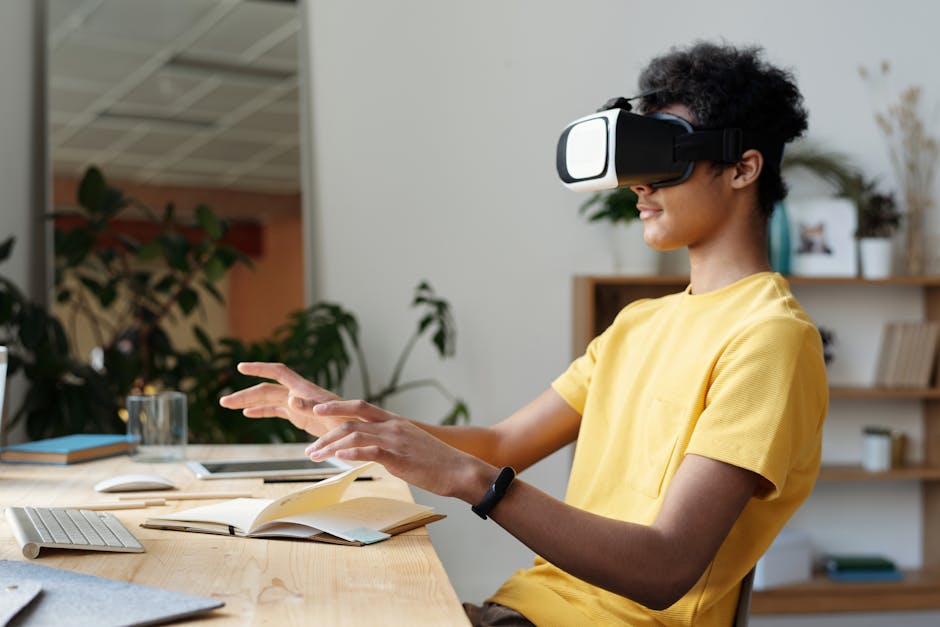
Corporate training is evolving. Discover how immersive learning, micro-learning, and AI personalization are reshaping skill development in the workplace.

San Francisco, USA — The landscape of corporate training is undergoing a profound transformation. Companies are increasingly adopting immersive learning techniques, micro-learning modules, and AI-driven personalization to enhance employee development-in-2025/” class=”ca-internal-link”>development-through-careers-week/” class=”ca-internal-link”>skill development. This shift is not just a response to technological advancements; it reflects a strategic imperative to keep pace with the rapidly evolving marketplace.
The importance of effective corporate training cannot be overstated. As of 2023, the corporate training market is projected to reach $355 billion globally, driven by the need for continuous learning and adaptation in a competitive environment. With technology reshaping job roles and required skills, organizations are investing in innovative training methods to equip their workforce for the future.

Immersive learning, characterized by virtual reality (VR) and augmented reality (AR) experiences, allows employees to engage in realistic scenarios that enhance retention and application of knowledge. According to a report by PwC, employees who undergo VR training are four times more focused than in traditional classroom settings, and they retain information longer.
Micro-learning, on the other hand, involves delivering content in small, manageable units, making it easier for employees to absorb and apply new skills. This approach aligns with the busy schedules of modern professionals, allowing them to learn on-the-go. Research from the Learning and development Institute indicates that micro-learning can lead to a 50% increase in engagement compared to traditional training methods.
This customized approach not only enhances the learning experience but also ensures that employees are acquiring relevant skills that align with their career trajectories.
AI personalization is another key trend reshaping corporate training. By leveraging data analytics and machine learning, organizations can tailor training programs to individual employee needs and learning styles. This customized approach not only enhances the learning experience but also ensures that employees are acquiring relevant skills that align with their career trajectories. A study by Deloitte found that organizations using AI in their training programs saw a 30% increase in productivity.
Despite the clear advantages, the transition to these innovative training methods is not without challenges. Budget constraints, resistance to change, and the need for upskilling trainers to effectively deliver new content can hinder implementation. Furthermore, companies must navigate the balance between technology and human interaction, as the latter remains crucial for fostering a collaborative learning environment.
Notably, industry leaders like Amazon and Google are at the forefront of this training revolution. Amazon’s upskilling initiative, which includes immersive learning platforms, aims to train 100,000 employees by 2025. Similarly, Google’s Career Certificates program utilizes micro-learning to help individuals gain market-ready skills in high-demand fields. These companies demonstrate that investing in employee development not only enhances workforce capabilities but also contributes to overall business success.
The global shift towards remote and hybrid work models has further accelerated the demand for flexible training solutions. According to a Gallup report, 54% of remote workers express a desire for more training opportunities, underscoring the necessity for organizations to adopt innovative training approaches that cater to diverse work environments.
You may also like
 Business Innovation
Emerging Power: How Developing Nations Are Institutionalizing E‑Waste Governance and Recrafting Career Pathways
The article argues that emerging e‑waste governance frameworks in the Global South are restructuring institutional power and creating high‑skill career pathways, fundamentally altering the global…
Read More →Looking ahead, the future of corporate training will likely see a greater integration of these trends. As organizations continue to adapt to changing workforce dynamics, the emphasis on continuous learning and skill development will intensify. Companies that prioritize immersive learning, micro-learning, and AI personalization will not only enhance employee engagement but also position themselves as leaders in their respective industries.
These companies demonstrate that investing in employee development not only enhances workforce capabilities but also contributes to overall business success.
The key takeaway for organizations is clear: embracing these innovative training methods is no longer optional but essential for sustaining competitive advantage. As the workforce evolves, so too must the approaches to training and development. The companies that invest in their employees’ growth today will reap the rewards of a more skilled, adaptable, and motivated workforce tomorrow.