No products in the cart.

The Future of Creativity in an AI-Driven World

As AI technologies evolve, the question of creativity's survival looms large. Avondale University explores this complex relationship.

Cooranbong, Australia — The rise of artificial intelligence (AI) has sparked urgent debates around its impact on creativity-amid-distractions/” class=”ca-internal-link”>creativity. A recent discussion at Avondale University delved into whether human creativity can coexist with increasingly sophisticated AI systems. As machines learn to generate art, music, and literature, the question looms: What does this mean for the future of human artists?
This dialogue is crucial as AI technology continues to advance at an unprecedented pace, raising concerns about the role of human creativity in various fields. The insights gathered from this discussion not only highlight the challenges faced by artists but also the potential opportunities for collaboration between human and machine.

AI-generated art has already made its mark. In 2023, an AI program called Midjourney created a piece of artwork that sold for $432,500 at auction, igniting conversations about the value of creativity in a digital age. According to a report by the World Economic Forum, 85 million jobs may be displaced by 2025 due to AI, while 97 million new roles could emerge that focus on human skills, including creativity and emotional intelligence [1].
Moreover, a 2023 study from the University of Michigan found that while AI can replicate certain artistic techniques, it lacks the emotional depth and cultural context that human artists bring to their work [2]. This distinction raises vital questions about authenticity and the essence of creativity as AI tools become more integrated into the creative process.
As one student articulated, “AI allows for experimentation we could never achieve on our own, but it also risks diluting the personal touch that defines our work.” This sentiment reflects a broader tension within creative industries.
During the Avondale University discussion, art students expressed both excitement and apprehension about AI’s role in their field. Some see AI as a powerful tool that can enhance their artistic capabilities, while others fear that it may undermine the uniqueness of human creativity. As one student articulated, “AI allows for experimentation we could never achieve on our own, but it also risks diluting the personal touch that defines our work.” This sentiment reflects a broader tension within creative industries.
You may also like
 AI & Technology
Chai Discovery Secures $130 Million for AI-Designed Molecules
Chai Discovery, supported by OpenAI, has raised $130 million to enhance AI-designed molecules, signaling a new era in drug discovery.
Read More →In the context of education, institutions are beginning to adapt their curricula to better prepare students for a world where AI plays a significant role in art and design. Avondale University is incorporating AI literacy into its programs, teaching students how to leverage these technologies while maintaining their unique artistic voice. This proactive approach may help future artists navigate the evolving landscape of creativity.
Furthermore, as businesses increasingly rely on AI for marketing and design, the need for human creativity remains paramount. A recent survey by Adobe revealed that 61% of marketers believe that creativity is essential for business success [3]. This statistic underscores the idea that while AI can enhance efficiency, it cannot replace the nuanced understanding and emotional connection that human creativity offers.
As we look to the future, the collaboration between human artists and AI may redefine what it means to be creative. Artists could use AI as a co-creator, pushing the boundaries of traditional art forms. This symbiotic relationship might give rise to entirely new genres and styles, blending human emotion with algorithmic precision.
Moreover, the ethical implications of AI in art cannot be ignored. Issues surrounding authorship, copyright, and the potential for bias in AI-generated content are already being debated among artists, legal experts, and technologists. Establishing clear guidelines and frameworks will be essential to protect the rights of artists while fostering innovation.
A recent survey by Adobe revealed that 61% of marketers believe that creativity is essential for business success [3].
In this evolving landscape, the essence of creativity may shift, but it will not disappear. The challenge lies in embracing these changes while preserving the core elements that define human artistry. As we navigate this complex terrain, it will be crucial for artists, educators, and policymakers to work together to foster an environment where creativity thrives alongside technological advancements.
You may also like
 Education & University Insights
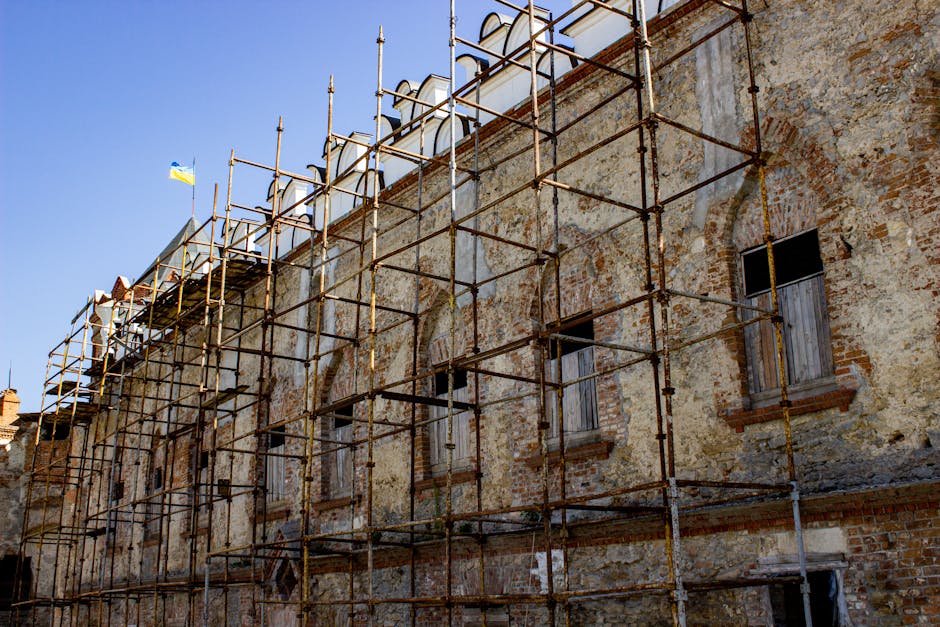
HCC approved restoration plan for Old Hindu and the New Career Landscape
Heritage Conservation Committee Approves Restoration PlanDelhi, India — The Heritage Conservation Committee (HCC) has approved a restoration plan for the Old Hindu College, a historic…
Read More →Ultimately, the future of creativity in an AI-driven world hinges on collaboration and adaptability. As artists embrace new tools and technologies, they can redefine their roles, ensuring that human creativity remains a vibrant and essential force in the artistic landscape. The question isn’t whether AI will replace human creativity but how humans will innovate and adapt their artistry in the face of these monumental changes.