No products in the cart.

Navigating Workplace Accommodations in a Post-Pandemic World
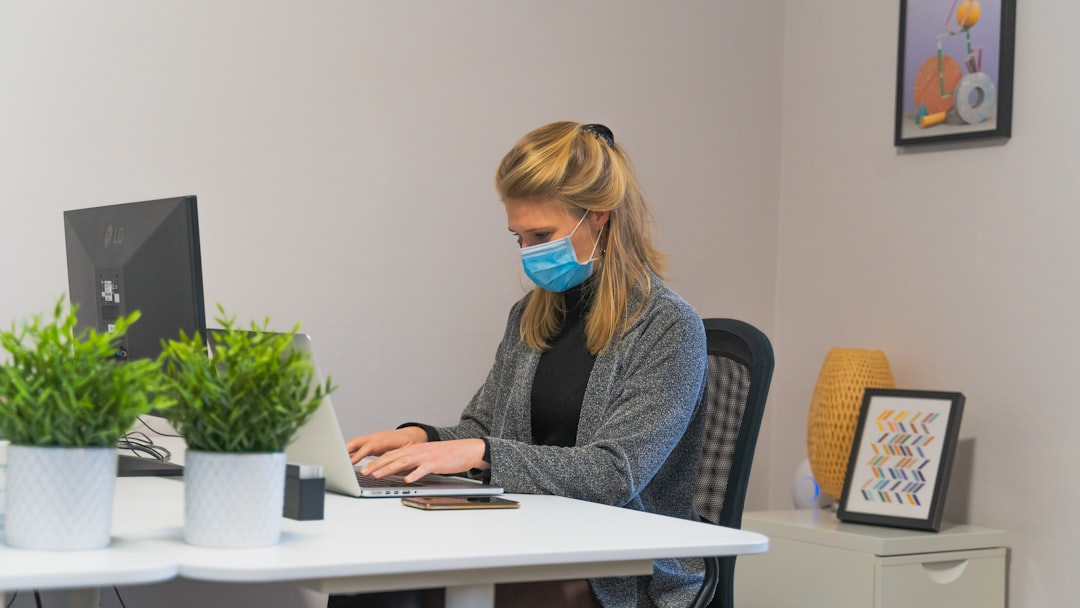
As companies navigate post-pandemic workplace accommodations, understanding their impact on employee well-being is crucial for future success.

New York, USA — As the world emerges from the shadow of the pandemic, organizations are grappling with the complexities of workplace accommodations. A recent report from the U.S. Bureau of Labor Statistics indicates that nearly 70% of employers are revisiting their accommodation policies to better support employee needs in this evolving landscape.
This shift is not merely a response to employee demands; it is a strategic necessity. Companies that prioritize mental health and well-being are likely to see enhanced productivity and reduced turnover. The pandemic has underscored the importance of flexibility and understanding in the workplace. With 86% of workers expressing a desire for continued remote work options, employers must adapt to these expectations or risk losing talent.

Historically, workplace accommodations have been viewed through a narrow lens, often limited to physical disabilities. However, the pandemic has broadened this perspective. Today, accommodations encompass mental health support, flexible working hours, and hybrid work models. According to a study by the Society for Human Resource Management (SHRM), 56% of organizations have implemented new mental health resources since 2020, reflecting a significant cultural shift in corporate America.
 Business
India’s Four New Labour Codes Reshape Work and Business Landscape in 2025
India’s 2025 labour reforms introduce four consolidated codes altering employment contracts, social security, occupational safety, and dispute mechanisms, reshaping work…
Read More →In a post-pandemic world, the notion of ‘workplace accommodations’ has evolved. Employers are increasingly recognizing that mental health is as critical as physical health. A survey conducted by the American Psychological Association revealed that 61% of workers reported experiencing stress due to work-related issues during the pandemic. This statistic highlights the urgent need for comprehensive mental health strategies in the workplace.
This statistic highlights the urgent need for comprehensive mental health strategies in the workplace.
Companies like Microsoft and Google are leading the way in reimagining workplace accommodations. Microsoft has introduced a program called “Employee Experience,” which allows for personalized work arrangements tailored to individual needs. This approach has resulted in a 30% increase in employee satisfaction ratings, according to internal surveys. Similarly, Google has expanded its mental health services, offering on-site counseling and wellness programs, which have been credited with improving overall employee morale.
However, these initiatives are not without challenges. Employers must navigate the delicate balance between accommodating individual needs and maintaining workplace productivity. Critics argue that excessive flexibility could lead to a decline in team cohesion and accountability. A report from McKinsey & Company suggests that while flexibility is essential, it should be implemented with clear communication and structure to avoid potential pitfalls.
Another concern is the potential for inequity in how accommodations are handled. Organizations must ensure that all employees, regardless of their role or location, have equal access to resources and support. This is particularly important as remote work becomes a more permanent fixture. A study by the Pew Research Center found that 54% of remote workers believe they have less access to career advancement opportunities compared to their in-office counterparts. This disparity highlights the need for transparent policies that promote inclusivity and fairness.
 AI
AITransforming Communication: The Impact of AI Transcription in Modern Business
AI transcription is reshaping business communication in 2025, enhancing productivity and collaboration in remote work environments.
Read More →Looking ahead, the future of workplace accommodations will likely be shaped by technological advancements. The rise of artificial intelligence and data analytics will enable organizations to tailor accommodations more effectively. For instance, companies can leverage data to identify trends in employee well-being and adjust policies accordingly. As organizations continue to embrace technology, the potential for creating customized employee experiences will only grow.
Moreover, as the conversation around mental health becomes more mainstream, businesses will be compelled to adopt more robust policies. The Mental Health Parity and Addiction Equity Act mandates that mental health services be covered by insurance plans at the same level as physical health services. This legal framework will push companies to reassess their benefits packages and create a more supportive environment for all employees.
A study by the Pew Research Center found that 54% of remote workers believe they have less access to career advancement opportunities compared to their in-office counterparts.
Ultimately, the focus on workplace accommodations in the post-pandemic era is more than just a trend; it is a reflection of a fundamental shift in workplace culture. Organizations that embrace this change will not only foster a healthier work environment but will also position themselves as leaders in talent attraction and retention.
 AI
AIThe Rise of AI in Customer Loyalty and Career Pathways
AI is revolutionizing customer loyalty programs. Explore the new career pathways that emerge from this digital transformation.
Read More →As businesses navigate this new landscape, the challenge will be to create a sustainable model that balances flexibility with accountability. The companies that succeed will be those that recognize the value of investing in their employees’ well-being, paving the way for a more resilient workforce.