No products in the cart.

Navigating a Career in Science Communication
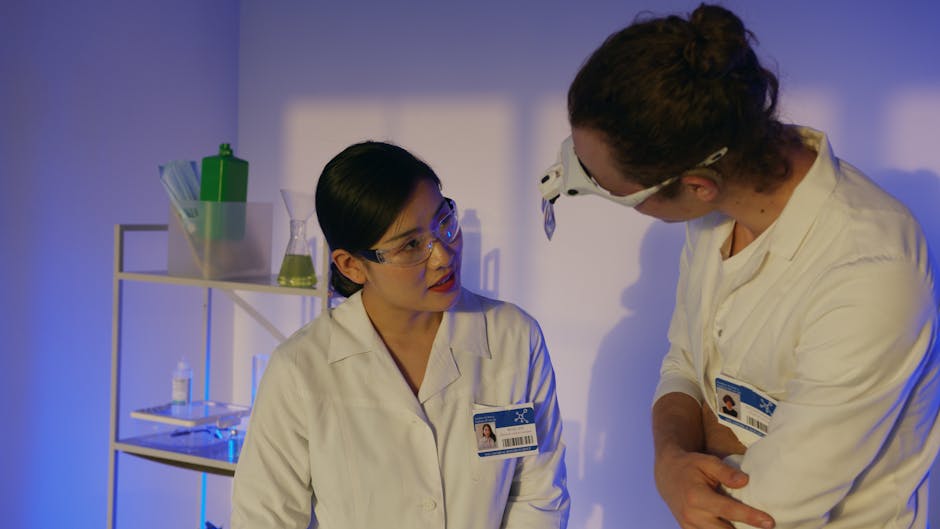
Discover how to build a rewarding career in science communication, focusing on essential skills, media engagement, and outreach strategies.

Washington, D.C. — The intersection of science and communication is increasingly vital as society grapples with complex issues like climate change, public health, and technological advancements. As of 2023, the demand for skilled science communicators has surged, driven by a need for effective outreach and public understanding of scientific concepts.
Science communication is not just about translating complex jargon into layman’s terms; it involves engaging diverse audiences, fostering trust, and influencing policy. As organizations like the American Association for the Advancement of Science (AAAS) highlight, effective science communication can bridge the gap between researchers and the public, enhancing informed decision-making.
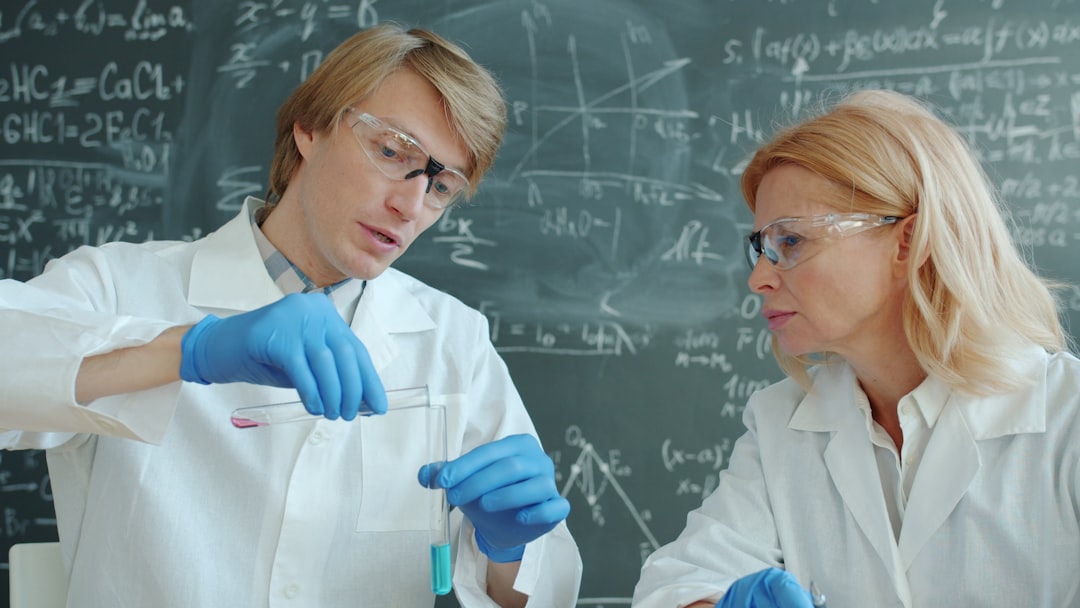
At its core, building a career in science communication requires a blend of scientific knowledge, communication skills, and an understanding of the media landscape. Professionals in this field often come from diverse backgrounds, including journalism, public relations, and academia. According to the National Science Foundation, a significant portion of science communicators hold advanced degrees in scientific disciplines, but many also possess training in communication or media studies.
The relevance of science communication has never been more pronounced. With misinformation proliferating online, the role of communicators is crucial in ensuring that accurate information reaches the public. A report from the Pew Research Center indicates that nearly 70% of Americans turn to the internet for health information, underscoring the need for credible sources and clear messaging.
 Career Development
The Productivity Playbook: Workplace Efficiency Tools Shaping Careers in 2025
Explore how productivity tools are transforming the workplace in 2025, shaping careers and enhancing efficiency for a new generation.
Read More →To embark on a successful career in science communication, aspiring professionals should focus on developing key skills.
Moreover, as the landscape of communication evolves, so too must the strategies employed by science communicators. The rise of social media platforms, podcasts, and video content has transformed how science is shared and consumed. A survey by the American Association of Colleges and Universities found that 78% of employers prioritize communication skills in their hiring processes, highlighting the demand for professionals who can navigate these new mediums effectively.
To embark on a successful career in science communication, aspiring professionals should focus on developing key skills. Writing, public speaking, and digital literacy are foundational. Engaging with various media formats—such as blogs, social media, and video—can enhance visibility and outreach. Workshops and courses offered by organizations like the National Association of Science Writers can provide valuable training and networking opportunities.
Internships and volunteer opportunities are also critical for gaining practical experience. Many science communicators start by writing for local publications, contributing to science blogs, or working with nonprofit organizations focused on science education. According to the Bureau of Labor Statistics, jobs in media and communication are projected to grow by 14% from 2020 to 2030, much faster than the average for all occupations. This growth reflects the increasing importance of effective communication in various fields, including science.
Networking plays a significant role in career advancement. Attending conferences, joining professional organizations, and connecting with established science communicators on platforms like LinkedIn can open doors to mentorship and job opportunities. The Science Communication Network, for example, offers resources and connections for those looking to enter the field.
 Education
Education after Covid-19
Career Ahead The Great Evolution of education – Life is not going to be the same after COVID-19. This is…
Read More →Analysis from various experts indicates that the future of science communication will be shaped by technological advancements and societal needs. Dr. Jane Goodall, a prominent figure in science advocacy, emphasizes the importance of storytelling in science communication. “In a world where facts are often overshadowed by opinions, the ability to tell compelling stories about scientific discoveries can inspire action and change,” she states.
Furthermore, as public trust in institutions fluctuates, science communicators must work diligently to build credibility. A study published in the journal Science Communication found that transparency and engagement are critical in fostering trust. Researchers suggest that when scientists communicate directly with the public, they can demystify their work and encourage a more informed public discourse.
Networking plays a significant role in career advancement.
Looking ahead, the integration of artificial intelligence (AI) and data analytics is expected to revolutionize science communication. Tools that analyze audience engagement and sentiment can help communicators tailor their messages more effectively. For instance, platforms like Hootsuite and Buffer provide insights into social media performance, allowing practitioners to refine their strategies based on real-time data.
As the landscape of science communication continues to evolve, professionals in the field must remain adaptable. Continuous learning and skill development will be essential for staying relevant in a rapidly changing environment. By embracing new technologies and methodologies, science communicators can enhance their impact, ensuring that accurate scientific knowledge reaches those who need it most.
 Digital Learning
Educational Technology Market Trends and Future Projections
The educational technology market is on a promising trajectory, with significant growth expected over the next decade. Discover key insights…
Read More →The future of science communication is bright, with numerous opportunities for those willing to engage, innovate, and educate. As we move forward, the challenge will be to harness the power of communication to foster a scientifically literate society that values evidence-based decision-making. What role will you play in shaping this vital discourse?