No products in the cart.

Singapore’s Job Market Shifts: Record Low Resignations and Rising Tenure
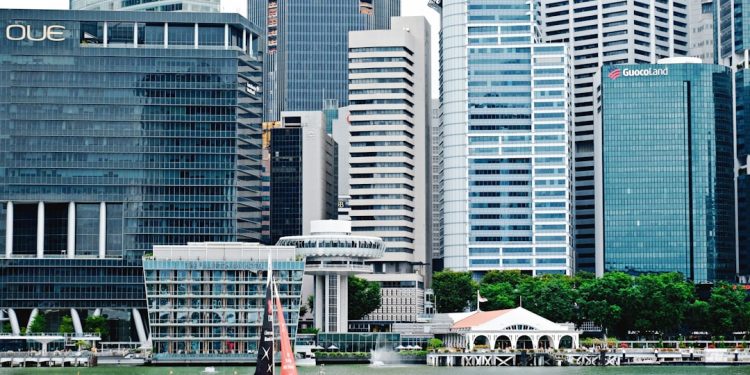
Singapore sees record low resignation rates as job tenure rises to eight years, highlighting the trend of 'job hugging' in the workforce.

Singapore, Singapore — Resignation rates in Singapore have plummeted to record lows, with average job tenure increasing to eight years, a phenomenon dubbed ‘job hugging’. This shift reflects a changing attitude towards employment stability amid a challenging economic landscape.
The trend is significant as it points to a broader reassessment of career paths and job satisfaction. With many employees choosing to stay longer in their positions, businesses are adapting their strategies to retain talent and ensure workplace engagement.

As of November 2025, Singapore’s Ministry of Manpower reported that the overall resignation rate fell to just 2.4% in the first half of the year, a stark contrast to the 3.3% seen in the same period of 2024. This trend is especially pronounced among professionals, managers, executives, and technicians (PMETs), where the resignation rate decreased to 2.3%[1]. The phenomenon of ‘job hugging’ indicates that employees are prioritizing job security over the pursuit of new opportunities.
The implications of this trend are profound. With the average tenure now reaching eight years, organizations may need to rethink their employee engagement strategies. The desire for stability could stem from economic uncertainties and the desire for work-life balance, which has gained prominence since the COVID-19 pandemic[2].
According to a report by the Labour Market Survey, the demand for skilled workers in sectors such as healthcare, technology, and finance remains robust.
According to a report by the Labour Market Survey, the demand for skilled workers in sectors such as healthcare, technology, and finance remains robust. However, the reluctance to leave current positions may lead to talent shortages in these growing industries[3]. Employers are now competing not only for new talent but also for the loyalty of their existing workforce, which has never been more crucial.
Many companies are responding to this trend by enhancing their employee value propositions. Initiatives such as flexible working arrangements, upskilling programs, and mental health support are becoming standard in an effort to retain personnel and foster a positive workplace culture. For instance, DBS Bank has introduced a comprehensive wellness program that includes mental health days and financial planning workshops, reflecting the changing needs of employees[4].
However, this focus on retention raises questions about career growth opportunities. As employees remain in their roles longer, the challenge for organizations is to provide pathways for advancement and ongoing professional development. Companies that fail to address this could risk stagnation, as highly skilled employees seek new challenges and opportunities within or outside their current environments.
The phenomenon of job hugging is not unique to Singapore; similar trends are emerging globally. In the United States, the Bureau of Labor Statistics reported a rise in job tenure, with the average worker staying in the same job for over four years, reflecting a cautious approach to job changes during economic instability. This trend underscores a growing global narrative where job security is increasingly valued over job mobility.
You may also like
 Career Guidance
Relationship Capital in the Age of Structural Realignment
The article argues that the alignment of geopolitical trade shifts, experience‑driven consumption, and platform governance is reshaping relationship capital, creating asymmetric mobility and redefining leadership…
Read More →As businesses navigate this landscape, they must remain agile and responsive to the changing dynamics of the workforce. The focus should not only be on retention strategies but also on fostering a culture of continuous learning and adaptability. This dual approach will ensure that organizations remain competitive in attracting and retaining top talent.
Initiatives such as flexible working arrangements, upskilling programs, and mental health support are becoming standard in an effort to retain personnel and foster a positive workplace culture.
Looking ahead, the success of companies in Singapore and beyond will depend on their ability to balance stability with growth opportunities. The future of work is shaping up to be one where employees seek meaningful engagement and security, while employers must innovate to meet these evolving expectations. As we move further into 2026, organizations that embrace this shift will likely emerge as leaders in the modern employment landscape.