No products in the cart.

AI Revolutionizes Oil & Gas: Enhancing Safety and Efficiency
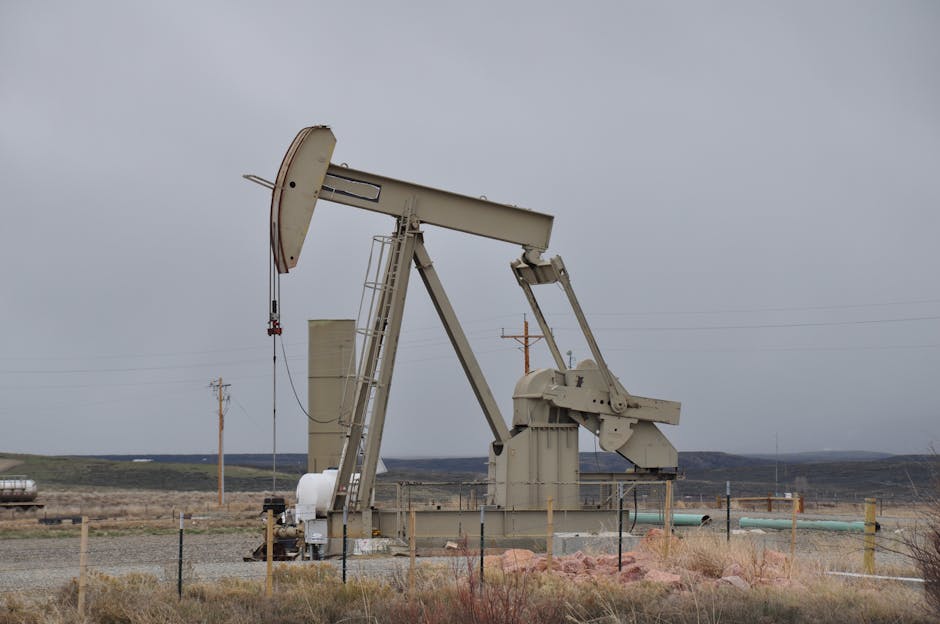
AI is reshaping the oil and gas sector, improving exploration, refining processes, and safety protocols. Discover the implications for careers and operations.

Houston, Texas — The oil and gas industry is undergoing a seismic shift as artificial intelligence (AI) becomes integral to its operations. From enhancing exploration techniques to improving safety monitoring, AI is not just a tool; it is a game-changer for the energy sector.
This transformation is not only about technological advancement but also about the implications for the workforce. As AI systems take on more complex tasks, the nature of jobs in this industry is evolving rapidly, necessitating new skills and educational pathways.
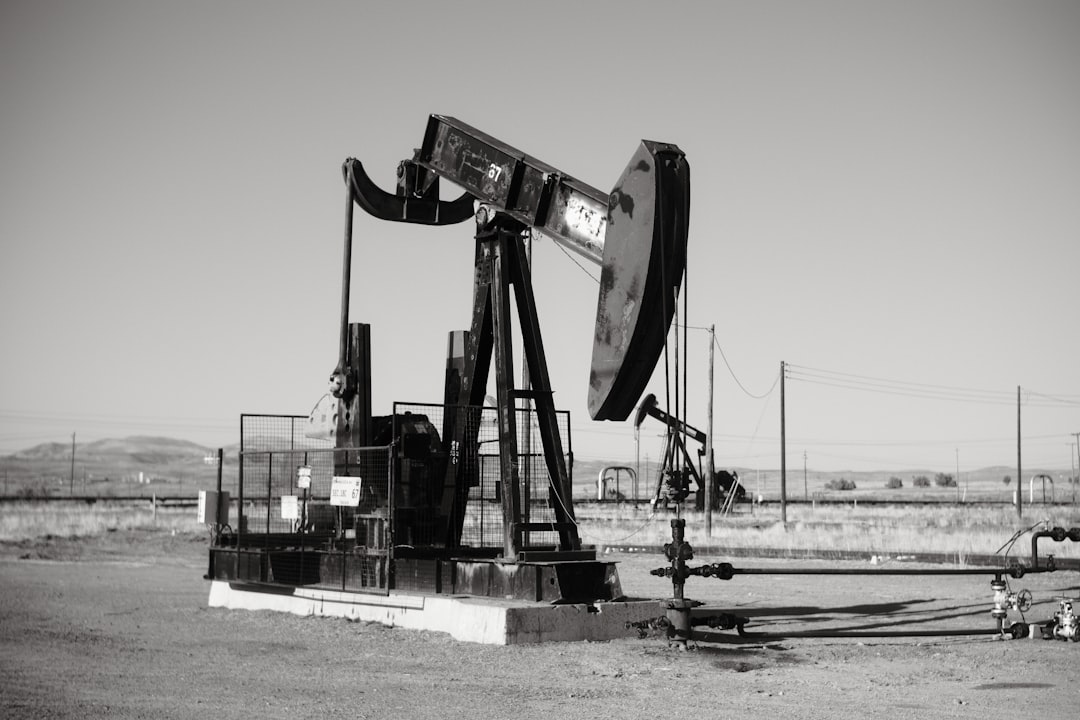
The integration of AI into oil and gas is driven by the need for efficiency and safety. According to a report by the International Energy Agency (IEA), AI can reduce costs in oil and gas exploration by up to 30% by optimizing drilling locations and predicting equipment failures before they occur [1]. With the energy transition underway, the sector must adapt to remain competitive and sustainable.
Context and Background
The oil and gas industry has traditionally been slow to adopt new technologies, but the urgency created by fluctuating oil prices and environmental concerns has accelerated this trend. In 2023, major players like BP and Shell began implementing AI-driven solutions to streamline operations and enhance predictive maintenance [2]. For instance, BP’s AI initiatives have reportedly led to a 20% increase in operational efficiency in their upstream operations.
This shift not only protects workers but also helps companies avoid costly downtime and legal liabilities.
Moreover, the safety aspect cannot be understated. AI technologies are being deployed to monitor equipment and environmental conditions in real time, significantly reducing the risk of accidents. A study by the American Petroleum Institute found that companies using AI for safety monitoring saw a 40% decrease in incidents [3]. This shift not only protects workers but also helps companies avoid costly downtime and legal liabilities.
Multiple Perspectives on AI in Oil and Gas
Industry experts are divided on the long-term implications of AI. Proponents argue that AI will create more skilled jobs, as the demand for data scientists and engineers rises. “As we embrace AI, we are not just replacing jobs; we are redefining them,” says Dr. Emily Tran, a leading researcher in energy technology. “The future workforce will need to be equipped with skills in data analysis and machine learning.”
Conversely, skeptics warn of job displacement. A report from the World Economic Forum suggests that automation could displace up to 1.5 million jobs in the oil and gas sector by 2030, particularly in roles that involve manual data collection and routine maintenance [4]. This concern highlights the urgent need for retraining programs to help workers transition into new roles that require advanced technical skills.
Furthermore, the ethical implications of AI deployment are coming under scrutiny. As AI systems make decisions previously handled by humans, questions arise about accountability and transparency. The industry must address these concerns to maintain public trust and ensure that AI is used responsibly.
You may also like
 Career Advice
The Hidden Power of Family in Career Advancement
Discover how integrating family life with career ambitions can lead to enhanced professional success and personal fulfillment.
Read More →Looking Ahead
The path forward for AI in oil and gas is not without challenges. However, the potential benefits are significant. Companies that invest in AI technologies will likely see enhanced efficiency, reduced operational risks, and improved safety standards. Educational institutions are also responding by developing specialized programs focused on AI, data science, and energy management, preparing the next generation for these emerging roles.
“The future workforce will need to be equipped with skills in data analysis and machine learning.”
As the energy landscape evolves, professionals in the oil and gas sector must embrace continuous learning and adaptability. The integration of AI presents not only challenges but also opportunities for growth and innovation. The question remains: how will the industry balance technological advancement with the need for a skilled workforce? This balance will define the future of work in oil and gas.