No products in the cart.

U.S. Welcomes Record 1.2 Million International Students
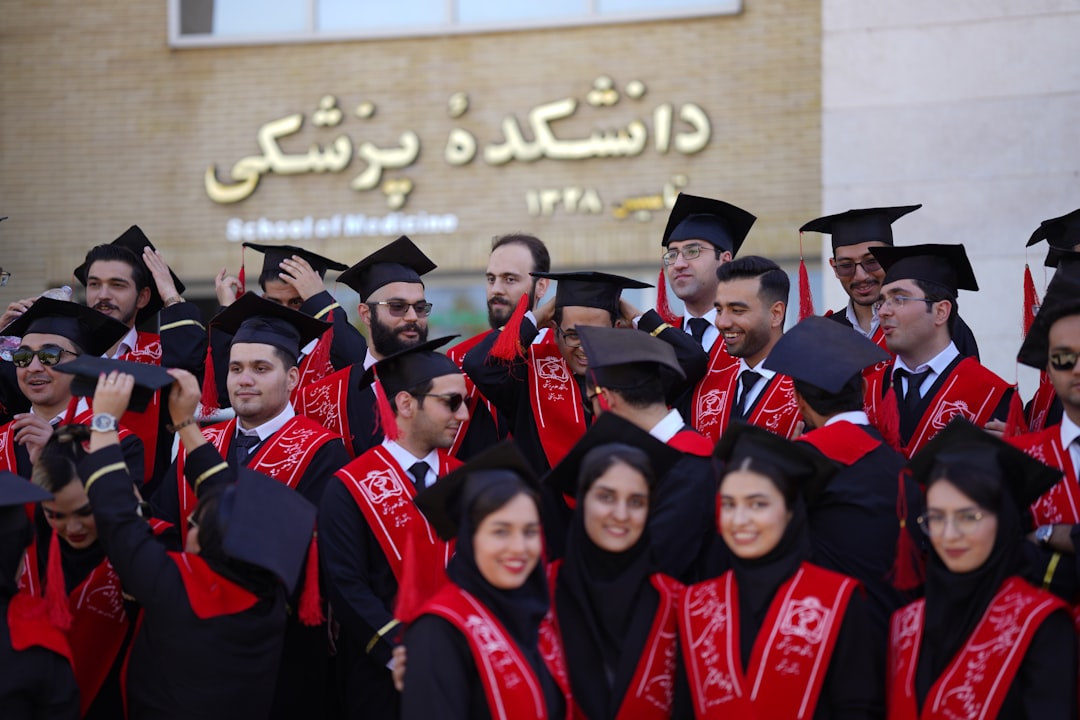
The U.S. is home to 1.2 million international students, comprising 6% of higher education. This trend shapes the future of education and workforce.

Washington, D.C. — The United States has reached a milestone of 1.2 million international students enrolled in colleges and universities, accounting for 6% of the country’s higher education population. This figure, reported by the Institute of International Education (IIE) in its annual Open Doors report, marks a significant increase in global student mobility and highlights the U.S. as a leading destination for international education.
This surge in enrollment is noteworthy not only for its volume but also for its implications. As international students contribute to the academic environment and local economies, understanding their impact is crucial for policymakers, educators, and businesses alike.

International students are not just numbers; they enhance campus diversity and contribute to the economy. According to the IIE, these students contribute over $45 billion to the U.S. economy annually through tuition, living expenses, and other expenditures. This influx of talent also plays a vital role in addressing labor shortages in various sectors, particularly in STEM fields, where international students often bring specialized skills.
 Career Development
Germany Expands Work Visa Program for Indian Professionals
Germany will issue 90,000 work visas for Indian professionals in 2025, opening new career avenues for skilled workers. Apply now!
Read More →Moreover, the presence of international students fosters a multicultural learning environment, enriching the educational experience for all students. Universities, such as the University of Southern California and Purdue University, have seen substantial increases in their international student populations, which has led to a broader exchange of ideas and perspectives.
Moreover, the presence of international students fosters a multicultural learning environment, enriching the educational experience for all students.
Despite the positive trends, challenges remain. The rising costs of higher education in the U.S. and visa regulations can deter potential international students. According to a survey by IIE, 27% of prospective students cited financial concerns as a major barrier to studying in the U.S. This concern is particularly acute among students from countries like India, where the cost of education continues to rise sharply.
In addition, geopolitical tensions and changing immigration policies may influence future enrollment trends. For instance, the COVID-19 pandemic significantly disrupted international travel and led to uncertainties regarding visa regulations. As universities adapt to these challenges, innovative approaches to recruitment and retention of international students will be essential.
 Career Advice
Navigating the Tightrope: Work-Life Balance vs. Hustle Culture
As hustle culture gains momentum, we explore its true impact on productivity and well-being, offering insights and strategies for a…
Read More →Looking ahead, the U.S. higher education landscape is poised for transformation. With the demand for skilled labor projected to grow, creating pathways for international students to transition into the workforce will be imperative. Programs that facilitate internships and job placements can enhance the value of an international education, making the U.S. even more appealing to prospective students.
Moreover, as universities look to diversify their student bodies, partnerships with institutions in regions such as South Asia and Africa could open new avenues for enrollment. These collaborations not only benefit the institutions but also create opportunities for cross-cultural exchanges that can enrich the educational experience.
With the demand for skilled labor projected to grow, creating pathways for international students to transition into the workforce will be imperative.
Ultimately, the future of international education in the U.S. will hinge on a collaborative approach involving universities, government agencies, and industry stakeholders. By addressing the barriers to entry and enhancing support systems for international students, the U.S. can maintain its leadership in global higher education.
 Career Development
Exploring Job Opportunities in India’s Entertainment Sector for 2025
As India's entertainment sector evolves, job opportunities are expanding rapidly. Explore the trends and skills needed for success in 2025.
Read More →