No products in the cart.

Luxury Brands Embrace Ethics for the Conscious Consumer
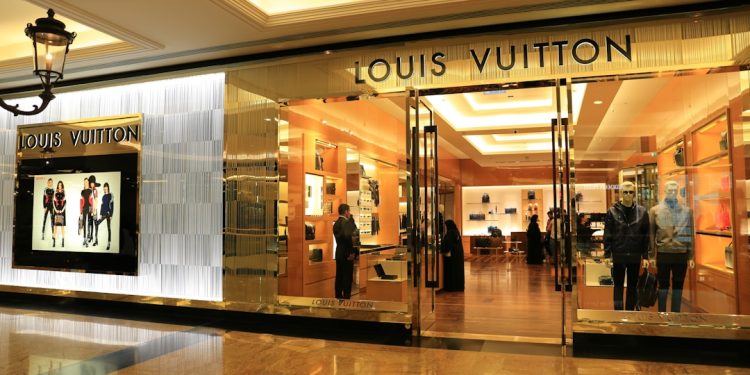
Luxury brands are evolving, integrating sustainability and transparency to attract conscious consumers. This shift redefines luxury for a new era.

Paris, France — Luxury brands are undergoing a profound transformation as they strive to meet the demands of increasingly conscious consumers. This shift is not merely a trend; it reflects a fundamental change in how luxury is perceived and defined in today’s world. Transparency, craftsmanship, and sustainability have become central to this evolution, as brands recognize that the modern consumer seeks more than just status—they seek integrity.
The global luxury market, valued at approximately $1.5 trillion in 2023, is projected to grow at a steady rate, but the drivers of this growth are changing. According to Bain & Company, nearly 70% of luxury consumers are influenced by sustainability considerations when purchasing, signaling a decisive shift in consumer behavior [1].

Brands like Gucci, Stella McCartney, and Hermès are leading the charge in redefining luxury through ethical practices. Gucci’s parent company, Kering, has committed to a 40% reduction in its greenhouse gas emissions by 2025, while Stella McCartney has long championed vegan materials and sustainable practices. These brands are not just selling products; they are selling a vision of luxury that aligns with the values of today’s consumers.
A recent study by McKinsey found that 66% of consumers consider sustainability important when making a purchase decision, a trend that transcends demographics and geography [2].
understanding this transformation requires a closer look at the factors driving it. The rise of social media and the prevalence of information have made consumers more aware of the environmental and social impacts of their purchases. Platforms like Instagram and TikTok amplify the voices of influencers advocating for sustainable living, creating a new narrative around luxury that prioritizes ethical consumption.
Moreover, the COVID-19 pandemic has accelerated this shift. As consumers reassess their values and spending habits, many are prioritizing brands that demonstrate social responsibility. A recent study by McKinsey found that 66% of consumers consider sustainability important when making a purchase decision, a trend that transcends demographics and geography [2].
You may also like
 Education & University Insights
NTA Cancels NEET 2026 Exam Amid Paper Leak Investigation
The National Testing Agency has canceled the NEET 2026 exam due to a major paper leak. This decision affects millions of students and raises questions…
Read More →Luxury brands are responding by enhancing transparency in their supply chains. For instance, Everlane, a brand that positions itself as a leader in ethical fashion, openly shares the costs associated with its products, from materials to labor. This level of transparency builds trust and fosters loyalty among consumers who are increasingly skeptical of traditional marketing tactics.
However, the path to ethical luxury is not without challenges. Critics argue that some brands engage in ‘greenwashing,’ presenting an exaggerated image of sustainability without making substantial changes. A report from the Changing Markets Foundation revealed that nearly 60% of claims made by fashion brands about sustainability were misleading [3]. This skepticism necessitates that brands substantiate their claims with credible evidence and real action.
Additionally, the craftsmanship that defines luxury is often at odds with the rapid production cycles demanded by fast fashion. Balancing artistry and sustainability requires innovation in both materials and processes. Brands like Patagonia have demonstrated that it is possible to maintain a commitment to quality while also prioritizing environmental impact through initiatives like the Worn Wear program, which encourages customers to repair and reuse their products.
As the luxury market evolves, brands that embrace sustainability and transparency will likely find themselves at a competitive advantage. According to a report by Deloitte, 55% of luxury consumers are willing to pay more for sustainable products [4]. This trend indicates a clear opportunity for brands to not only capture market share but also to lead a movement toward more responsible consumption.
This trend indicates a clear opportunity for brands to not only capture market share but also to lead a movement toward more responsible consumption.
Looking forward, the intersection of technology and luxury presents exciting opportunities for innovation. Blockchain technology, for instance, can enhance transparency by allowing consumers to trace the origins of materials and verify ethical practices within the supply chain. This approach not only builds trust but also empowers consumers to make informed choices about the products they purchase.
You may also like
 Career Guidance
Guy Goma’s Accidental BBC Interview Sparks Reflection
Unexpected Encounter on Live Television: Guy Goma's accidental appearance on the BBC in 2006 transformed him into an internet sensation, highlighting the unpredictable nature of…
Read More →In this new landscape, luxury is no longer defined solely by exclusivity and opulence. It is increasingly characterized by ethical considerations and a commitment to sustainability. Brands that succeed will be those that authentically integrate these values into their core business strategies, creating products that resonate with the principles of conscious consumers.
The future of luxury lies in the hands of brands willing to evolve, innovate, and engage with their customers on a deeper, more meaningful level. As this shift continues, it raises important questions: How can brands maintain their heritage while adapting to the demands of a new generation? What role will technology play in shaping the future of ethical luxury? The answers will define the trajectory of the luxury market for years to come.