No products in the cart.

Building Confidence Beyond Social Media Validation
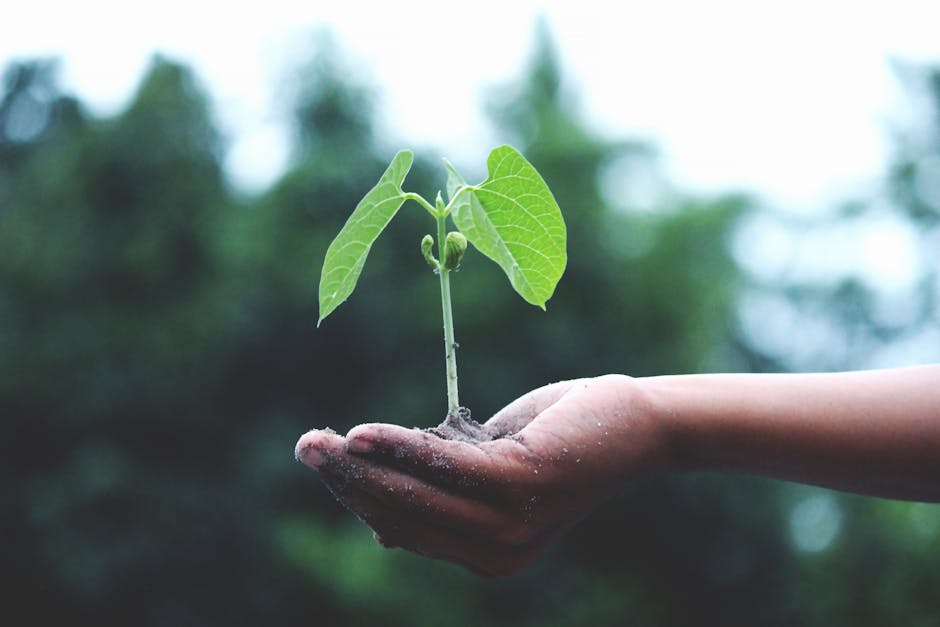
Learn how to build confidence without relying on social media validation. Explore actionable insights for personal growth and self-esteem.

New York, USA — In an age where social media dictates much of our self-worth, many are questioning the validity of confidence built on likes and followers. As platforms like Instagram and TikTok continue to dominate, the pursuit of validation through online metrics has become a double-edged sword. While these platforms offer a sense of community, they can also foster a toxic comparison culture that undermines genuine self-esteem.
The importance of cultivating confidence independent of social media validation is more pressing than ever. According to a 2021 study by the American Psychological Association, nearly 60% of young adults report feeling inadequate when comparing themselves to others online[1]. This reliance on external validation can lead to anxiety, depression, and a diminished sense of self-worth. Understanding how to build confidence without these digital crutches is essential for mental well-being and personal growth.

 AI
AIAI’s Transformative Role in Pathology: Beyond the Microscope
AI is transforming the field of pathology, reshaping careers and diagnostic practices. Discover the future of this essential medical field.
Read More →Social media platforms are designed to keep users engaged, often leading to unhealthy habits. A report from the Pew Research Center indicates that 69% of adults in the U.S. use social media, with 90% of those aged 18-29 actively participating[2]. As users scroll through curated feeds, they are frequently bombarded with idealized images and lifestyles, creating a distorted perception of reality.
The Coopersmith Self-Esteem Inventory, developed in the 1960s, emphasizes the importance of self-acceptance and personal achievement as cornerstones of confidence.
Historically, self-esteem has been linked to various psychological models. The Coopersmith Self-Esteem Inventory, developed in the 1960s, emphasizes the importance of self-acceptance and personal achievement as cornerstones of confidence. Fast forward to today, and the challenge remains: how can individuals foster self-esteem without the constant feedback loop of social media?
Experts suggest several strategies to bolster self-esteem in a digital age. First, practicing self-compassion is crucial. Dr. Kristin Neff, a pioneer in self-compassion research, emphasizes that treating oneself with kindness during moments of failure can significantly improve emotional resilience[3]. This approach allows individuals to acknowledge their imperfections without harsh self-judgment.
Another effective method is to engage in activities that promote intrinsic motivation. According to a study published in the Journal of Personality and Social Psychology, individuals who pursue goals for personal satisfaction rather than external rewards report higher levels of well-being[4]. This shift in focus can help individuals find fulfillment in their passions, independent of social media validation.
 Career
Building India’s Shield: Career Opportunities in Indigenous Defence
India's indigenous defence sector is rapidly expanding, creating thousands of high-skill career opportunities for young professionals in engineering, research, and…
Read More →Furthermore, cultivating a supportive community offline can provide a buffer against the pressures of social media. Engaging with friends and family in meaningful ways fosters connection and belonging, which are vital for emotional health. A 2022 Harvard study found that strong social ties can lead to a 50% increased likelihood of longevity, showcasing the profound impact of interpersonal relationships on well-being[5].
As society becomes increasingly aware of the pitfalls of social media, organizations are stepping up to promote mental health initiatives. Companies like LinkedIn are investing in mental health resources for employees, recognizing the importance of well-being in the workplace. This trend reflects a broader societal shift towards valuing mental health, encouraging individuals to prioritize self-esteem beyond digital metrics.
Companies like LinkedIn are investing in mental health resources for employees, recognizing the importance of well-being in the workplace.
Looking ahead, the challenge will be to create environments—both online and offline—that nurture authentic self-esteem. As more individuals recognize the limitations of social media validation, there may be a collective movement towards self-acceptance and personal growth. The future of confidence-building lies in fostering resilience, embracing imperfections, and celebrating personal achievements, regardless of online approval.
 Career Advice
Bridging Generations: Career Wisdom from Reply 1988
Discover intergenerational career wisdom from the beloved Korean drama Reply 1988, blending traditional and modern work approaches.
Read More →Ultimately, the journey towards self-worth is deeply personal. By focusing on intrinsic values and nurturing supportive relationships, individuals can cultivate a robust sense of confidence that withstands the pressures of the digital age. As we navigate this evolving landscape, the question remains: how will you redefine your self-worth in a world dominated by likes and shares?