No products in the cart.

Strategies for Building Inclusive School Environments by Dr. Marlon Burton
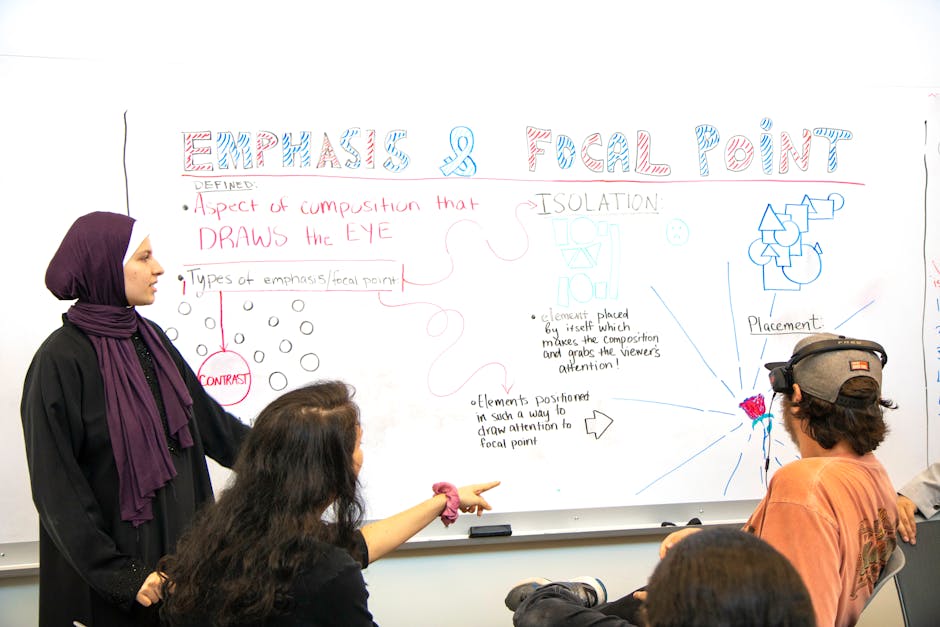
Dr. Marlon Burton discusses essential strategies for creating inclusive school environments that support all students.

Newark, New Jersey — Dr. Marlon Burton, an acclaimed education leader, has unveiled a comprehensive framework aimed at fostering truly inclusive school environments. Speaking at a recent educational conference, Burton emphasized that inclusivity is not just a goal but a fundamental requirement for modern education.
Burton’s strategies focus on engaging diverse student populations and creating spaces where every child feels valued. This approach is particularly crucial in a time when schools are becoming increasingly diverse, with the National Center for Education Statistics reporting that over 50% of public school students in the U.S. identify as non-white as of 2020.

Burton argues that a successful inclusive environment hinges on three core elements: culturally responsive teaching, community engagement, and ongoing professional development for educators. Each component is designed to dismantle barriers that historically marginalized students face.
 AI
AINavigating the New Frontier: AI Ethics in Journalism Careers
As AI reshapes journalism, new career paths emerge in ethics and fact-checking. Explore the evolving landscape.
Read More →Burton argues that a successful inclusive environment hinges on three core elements: culturally responsive teaching, community engagement, and ongoing professional development for educators.
Dr. Burton’s message resonates strongly given the current landscape of education, where inclusivity is not merely an aspiration but a necessity. According to a report by the Learning Policy Institute, diverse classrooms enhance student outcomes, promoting better critical thinking and problem-solving skills among peers.
Context and Background
The push for inclusive education has gained momentum over the past decade, driven by increasing awareness of systemic inequalities in school systems. The Individuals with Disabilities Education Act (IDEA) and the Every Student Succeeds Act (ESSA) have set the stage for a broader understanding of inclusivity. These legislative frameworks advocate for the rights of all students, including those with disabilities and those from diverse cultural backgrounds.
Burton’s strategies align with these legislative goals, as they focus on creating environments where all students can thrive. For instance, culturally responsive teaching encourages educators to incorporate the backgrounds and experiences of their students into the curriculum, thereby making learning more relevant and engaging.
Moreover, community engagement is critical. Schools that actively involve families and local organizations in the educational process are more likely to see higher student achievement and lower dropout rates. A 2021 study by the American Educational Research Association found that schools with strong community ties reported improved academic performance among minority students.
 Business
Navigating Cultural Resets in Post-Merger Organizations
Discover how organizations can successfully navigate cultural resets after mergers, ensuring employee engagement and identity preservation.
Read More →Analysis of Perspectives
Supporters of Dr. Burton’s framework highlight the importance of professional development in achieving inclusivity. training programs focused on cultural competence can equip teachers with the skills necessary to address the diverse needs of their students. This investment in teacher training has shown promising results; a 2022 report by the National Education Association noted that schools with ongoing professional development programs demonstrated improved student engagement and academic performance.
However, critics argue that the implementation of such strategies can be challenging. Some educators may resist changes to traditional teaching methods, fearing that new approaches might compromise academic rigor. Additionally, budget constraints can limit the resources available for comprehensive training programs. According to the Center for Budget and Policy Priorities, many public schools face significant funding shortages, which could hinder the adoption of inclusive practices.
This investment in teacher training has shown promising results; a 2022 report by the National Education Association noted that schools with ongoing professional development programs demonstrated improved student engagement and academic performance.
Nonetheless, the evidence supporting the benefits of inclusivity is compelling. Research consistently shows that inclusive classrooms not only benefit marginalized students but enhance the educational experience for all learners. For example, diverse learning environments promote empathy and collaboration, skills increasingly valued in today’s workforce.
Looking Ahead
As schools continue to navigate the complexities of inclusivity, Dr. Burton’s strategies offer a roadmap for educators and administrators alike. By prioritizing culturally responsive teaching, building strong community partnerships, and committing to ongoing professional development, schools can create environments that truly reflect the diversity of their student populations.
 Consumer Behavior
Evening Markets Bloom as Rain Keeps Shoppers Indoors
As rain douses the afternoons, city markets in India are bustling like never before in the evenings. Explore this shifting…
Read More →The future of education hinges on our ability to embrace inclusivity. As we move forward, stakeholders in the education sector must collaborate to ensure that every student has access to a quality education that recognizes and celebrates their unique identities. The question remains: how will we continue to innovate and adapt to create schools where every student can thrive?