No products in the cart.

AI, Coaching, and Skills-Based Hiring Define Workforce Trends at SHRM India 2025
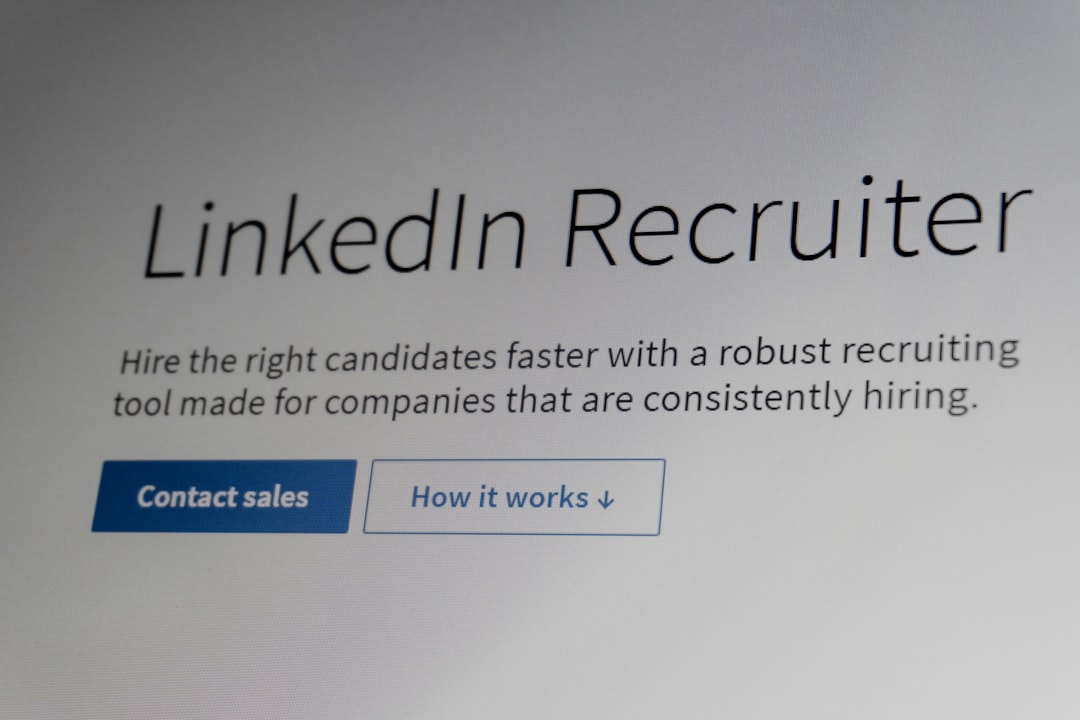
SHRM India 2025 highlights AI, coaching, and skills-based hiring as top trends shaping the workforce. Explore their impact on careers and education.

New Delhi, India — At the shrm india 2025 conference, industry leaders gathered to discuss the transformative trends reshaping the workforce landscape. Key topics included the integration of artificial intelligence (AI), the rise of coaching as a pivotal component of employee development, and a shift towards skills-based hiring practices. These insights come at a critical juncture as businesses seek to adapt to evolving market demands and workforce dynamics.
Why does this matter now? As the global economy continues to grapple with rapid technological advancements and shifting labor needs, understanding these trends is essential for organizations aiming to attract and retain top talent. The emphasis on skills, rather than traditional qualifications, signifies a move towards a more inclusive and adaptable workforce.
The SHRM India 2025 conference, held on November 18-19, brought together over 2,000 HR professionals from various sectors, including technology, finance, and education. The conference featured keynote speakers such as Dr. Raghuram Rajan, former Governor of the Reserve Bank of India, and global HR experts who shared insights on the future of work.

 Business And Entrepreneurship
Startup Success Lessons from K-Drama Icons Suzy and Nam Joo-hyuk
Explore how the K-Drama 'Startup' offers valuable lessons in entrepreneurship, mentorship, and team dynamics through the journeys of its characters.
Read More →The SHRM India 2025 conference, held on November 18-19, brought together over 2,000 HR professionals from various sectors, including technology, finance, and education.
One of the most notable trends discussed was the use of AI in recruitment and employee engagement. According to a recent report by McKinsey, nearly 70% of companies are now using AI-driven tools to streamline recruitment processes and enhance candidate experiences. AI can analyze vast amounts of data to match job seekers with positions that align with their skills and experiences, ultimately leading to more efficient hiring practices [1].
Moreover, the focus on skills-based hiring is gaining traction. Employers are increasingly prioritizing a candidate’s abilities over their educational background or work history. This approach not only democratizes access to job opportunities but also helps organizations build a more capable and diverse workforce. A survey by LinkedIn found that 78% of hiring managers believe that skills-based hiring leads to improved employee performance [2].
Coaching emerged as another key theme at the conference. With the rapid pace of change in the workplace, continuous learning and development are vital for employee retention and engagement. Organizations are investing in coaching programs to help employees navigate their career paths and enhance their skills. The International Coach Federation reports that companies that implement coaching programs see a 70% improvement in employee performance and satisfaction [3].
However, the integration of these trends is not without challenges. Experts emphasized the need for organizations to maintain a balance between technology and the human touch. While AI can enhance efficiency, it should not replace the personal connections that are crucial for employee engagement and company culture. Balancing technology with empathy will be key for future HR strategies.
 Career Advice
Work-life balance – tips for those who work from home
Discover essential tips for achieving work-life balance in remote work settings, enhancing both productivity and personal well-being.
Read More →
In addition to these trends, the conference highlighted the importance of fostering an inclusive workplace culture. As companies adopt diverse hiring practices, they must also ensure that their environments are welcoming and supportive for all employees. This includes addressing unconscious biases in recruitment and promoting diversity at all organizational levels.
With the rapid pace of change in the workplace, continuous learning and development are vital for employee retention and engagement.
Looking ahead, the implications of these trends on the workforce are profound. As companies increasingly leverage AI and coaching, they must also prepare for a shift in employee expectations. The modern workforce is seeking more than just a paycheck; they desire meaningful work experiences and opportunities for growth. As organizations navigate this landscape, those that prioritize skills-based hiring and invest in employee development will likely emerge as leaders in their industries.
As the future of work evolves, professionals must remain adaptable and proactive in their career development. Embracing continuous learning and seeking opportunities for skill enhancement will be essential for navigating the changing job market. The trends emerging from SHRM India 2025 serve as a clarion call for organizations and individuals alike: adapt to thrive.
 Career Development
Navigating the Post-Journalism Landscape: Careers in Media and PR
Journalism graduates can thrive in diverse fields like PR, media, and digital content creation. Discover how to navigate these exciting…
Read More →